In today’s highly competitive mattress market, buyers are no longer satisfied with a simple quote. Whether you are a distributor, retailer, or hotel procurement manager, understanding the mattress cost breakdown is essential for making informed purchasing decisions.
In B2B sourcing, transparent pricing is becoming increasingly important. It not only helps buyers clearly understand where their money goes, but more importantly, allows you to optimize costs without compromising product quality.
Why Mattress Cost Breakdown Matters for B2B Buyers
A clear mattress cost breakdown helps you:
- Identify unnecessary markups
- Compare suppliers more effectively
- Control overall procurement budgets
- Avoid hidden quality risks
Without a transparent cost structure, two mattresses may appear identical—but can differ significantly in durability, comfort, and lifespan.
Key Components of Mattress Cost Breakdown
A professional mattress manufacturer typically divides pricing into several core components. Understanding each part of the mattress cost breakdown gives you stronger negotiating power.
1. Raw Material Costs (40%–60%)
Raw materials represent the largest portion of the mattress cost breakdown, directly affecting both performance and pricing.
Main materials include:
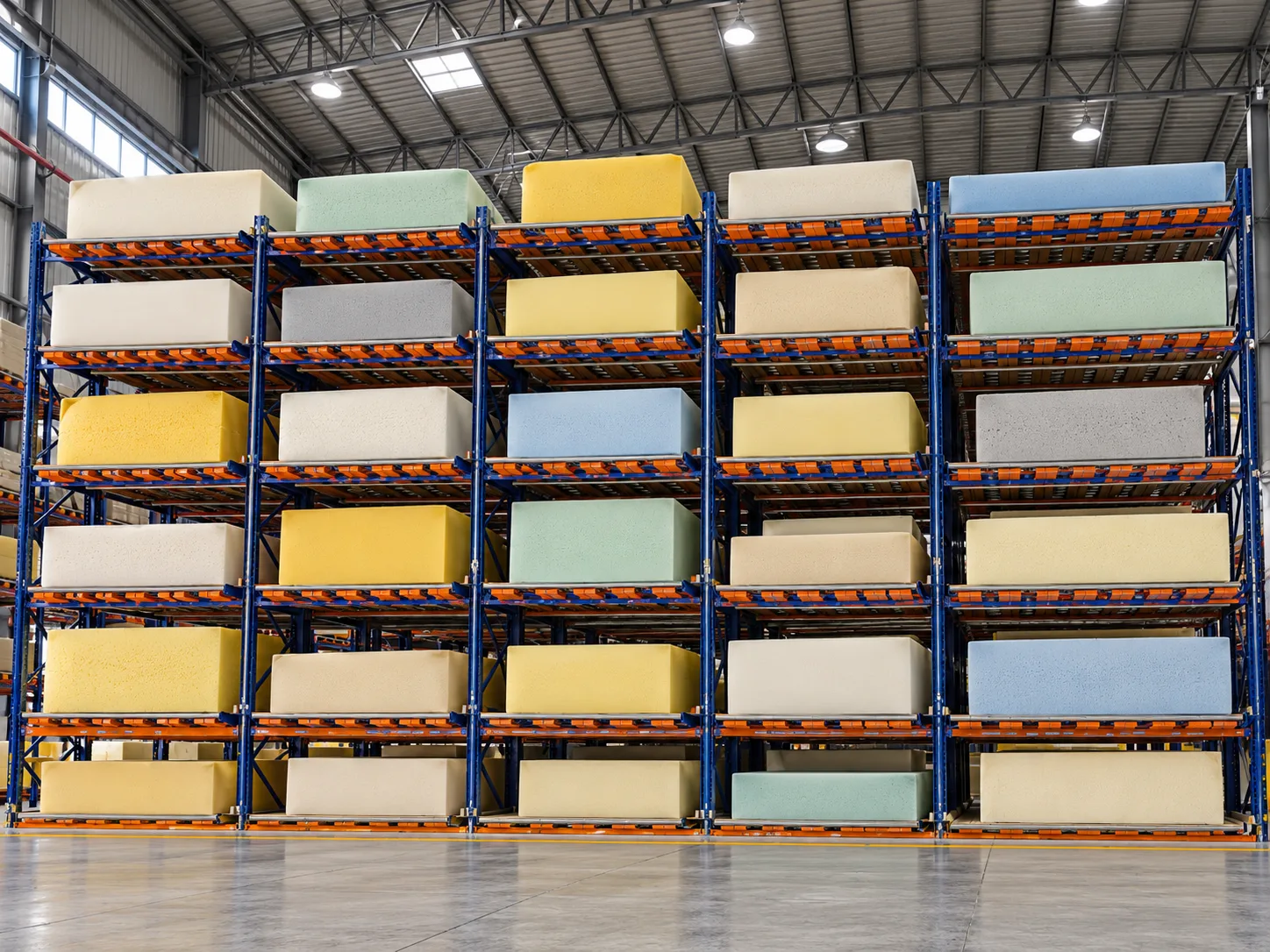
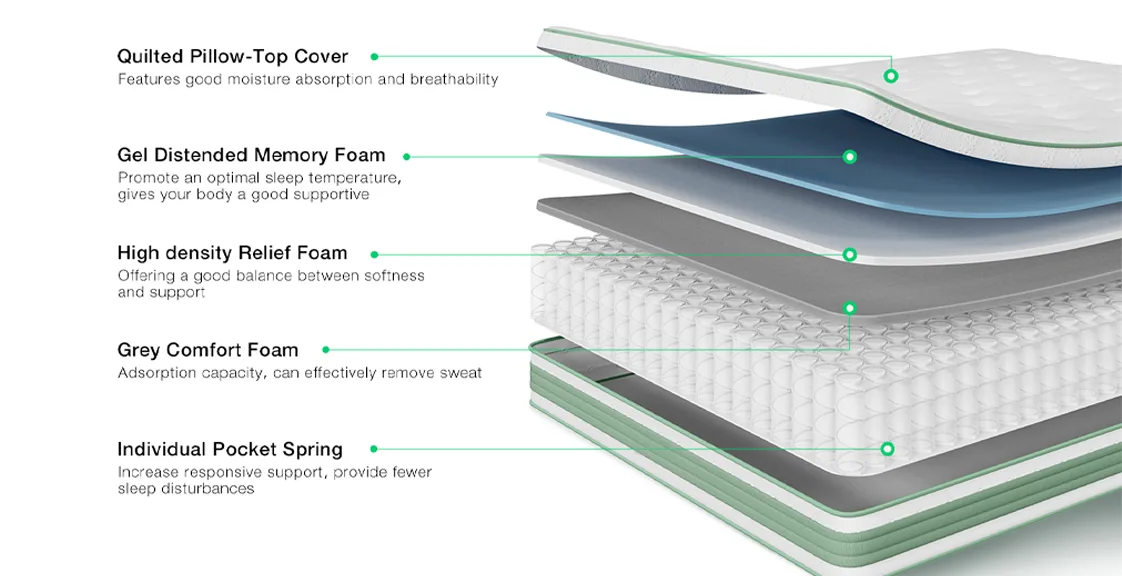
- Foam layers (memory foam, high-density foam)
- Pocket springs or Bonnell springs
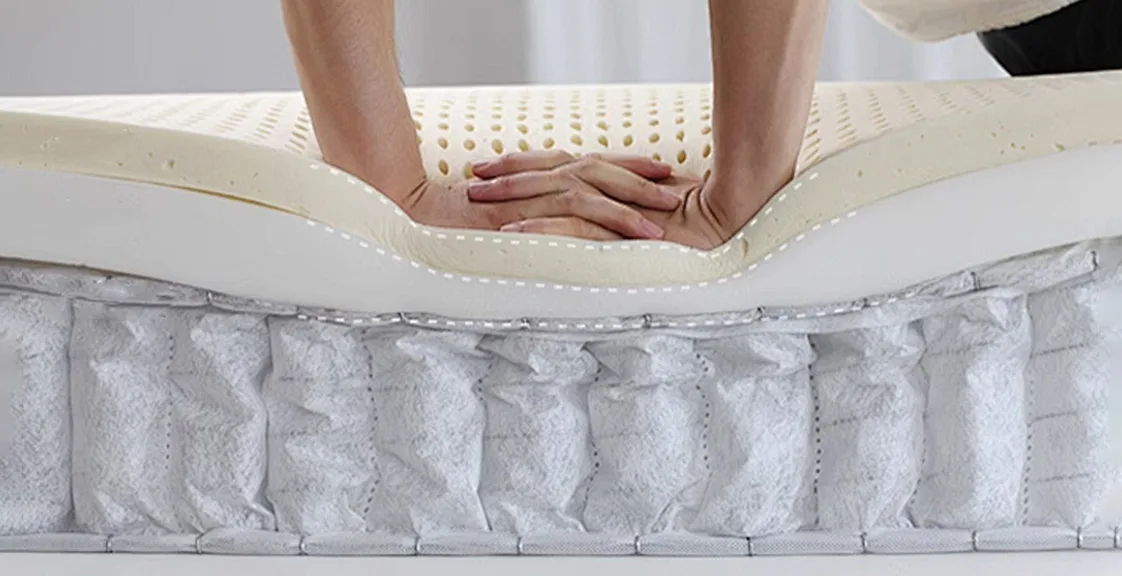
- Latex (natural or synthetic)
- Fabric and quilting materials
For example, high-density memory foam or natural latex significantly increases cost, while lower-density materials may reduce price but impact durability.
2. Labor & Manufacturing (10%–20%)
Labor costs depend on production complexity.
Key factors influencing cost include:
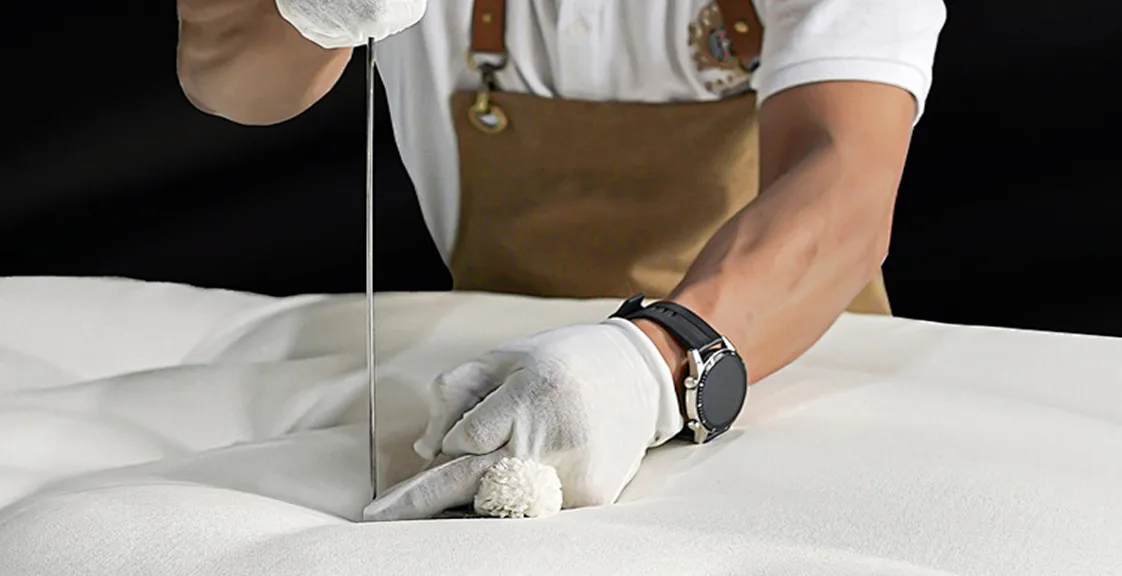
- Automated production vs. handmade processes
- Hand-tufting or quilting techniques
- Edge support structures
- Multi-layer assembly complexity
The more complex the craftsmanship, the higher the labor cost.
3. Design & Customization (5%–10%)
For OEM/ODM buyers, customization is a key part of the mattress cost breakdown.
This includes:
- Size and thickness customization
- Firmness adjustment
- Private label branding
- Packaging design (compressed roll-pack, e-commerce or retail packaging)
Customization enhances product competitiveness, but can increase unit cost in small-volume orders.
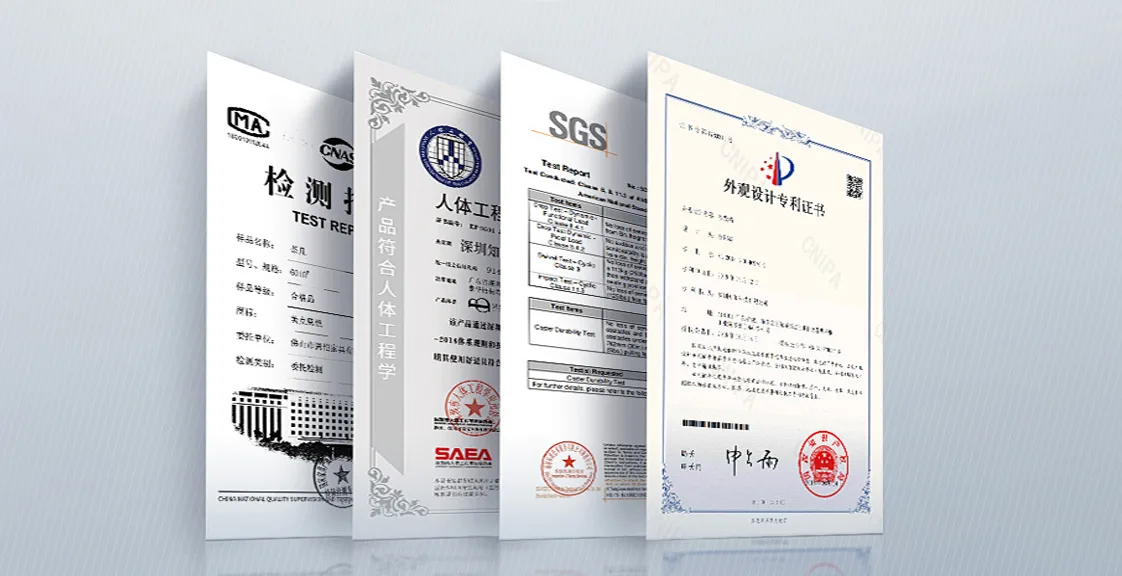
4. Certifications & Compliance (3%–8%)
Compliance costs are essential, especially for export markets.
Common certifications include:
- CertiPUR-US (foam safety certification)
- OEKO-TEX (textile safety)
- Fire safety standards (UK regulations, US CFR 1633, etc.)
These costs are often underestimated but are necessary in a complete mattress cost breakdown.
5. Packaging & Logistics (10%–15%)
Shipping plays a major role in total cost, especially for international procurement.
Key factors include:
- Vacuum compression (reduces shipping volume)
- Carton quality
- Container loading efficiency
- Freight terms (FOB / CIF)
Optimizing packaging is one of the most effective ways to improve overall cost efficiency.
6. Supplier Margin
Every supplier includes a profit margin, which varies based on:
- Factory-direct vs. trading company
- Order quantity
- Long-term cooperation
Working directly with manufacturers typically results in a more competitive mattress cost breakdown.
For B2B buyers, choosing a supplier with scalable production capacity, stable quality control, and transparent pricing is far more valuable than simply chasing the lowest price.
For example, a source factory like MIJUE not only provides clear cost structures but also helps optimize materials and production solutions based on different market needs—achieving better cost control without sacrificing quality.
In the long run, this kind of stable and transparent partnership supports stronger brand growth and higher profitability.

Hidden Costs Buyers Often Overlook
Even experienced buyers may ignore these factors:
- High return rates due to low-quality materials
- Inconsistent product quality affecting brand reputation
- Poor packaging leading to shipping damage
- Hidden costs from non-transparent quotations
A true mattress cost breakdown is not just about price—it’s about total cost of ownership.
How to Optimize Your Mattress Cost Breakdown
To achieve the best value, consider the following:
- Work directly with manufacturers
- Request detailed cost breakdowns
- Balance material quality and price
- Standardize product specifications
- Optimize packaging to reduce shipping costs
The goal is not the lowest price—but the most efficient and reasonable cost structure.

Conclusion: Transparency Is the Real Competitive Advantage
In today’s mattress procurement landscape, transparency is no longer optional—it’s a trend.
A clear mattress cost breakdown helps businesses reduce risk, improve profitability, and build stable supply chain partnerships.
For long-term growth, transparent pricing is not just a tool—it’s a strategic advantage.
Looking for a Reliable Mattress Manufacturer?
MIJUE specializes in providing global B2B clients with transparent and optimized mattress cost breakdown solutions.
From raw material selection to manufacturing, packaging, and logistics, every step is carefully managed to help you achieve a more competitive product structure.
Whether you are a retailer, hotel buyer, or distributor, we offer flexible OEM/ODM solutions to optimize your cost without compromising quality.
If you would like a customized mattress cost breakdown solution, feel free to contact us anytime.