In the premium sleep-product market, TPE pillows—made from thermoplastic elastomer—are gaining significant traction. Unlike memory foam or latex, TPE provides a unique combination of elastic rebound, open-grid airflow, and long-term structural stability. This article offers a data-driven, highly detailed evaluation of whether TPE pillows are truly good, covering performance tests, consumer suitability, and commercial advantages for distributors and brands.
1. What Exactly Is a TPE Pillow?
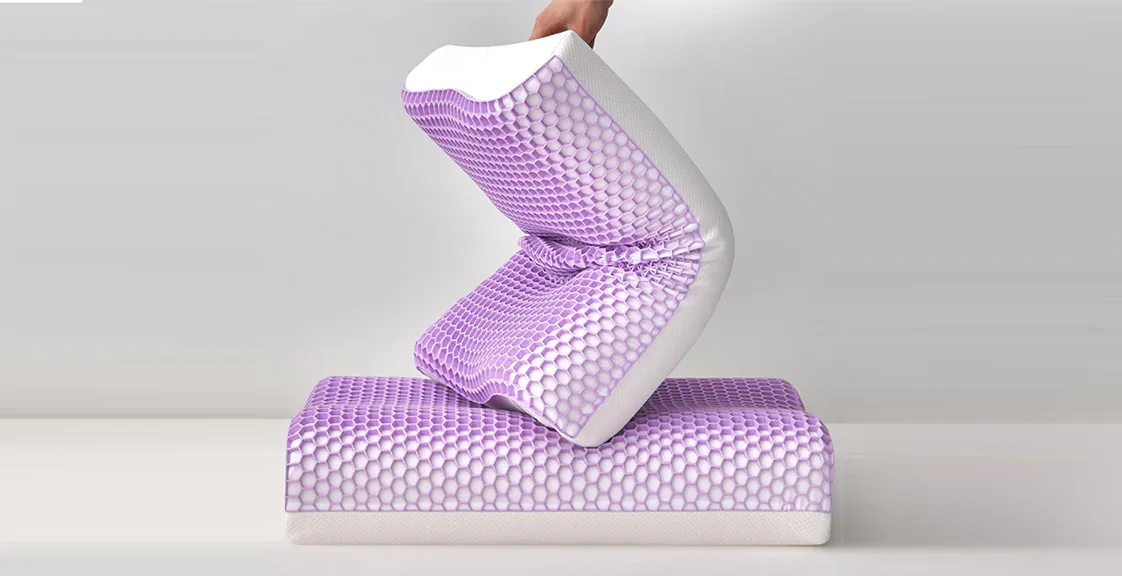
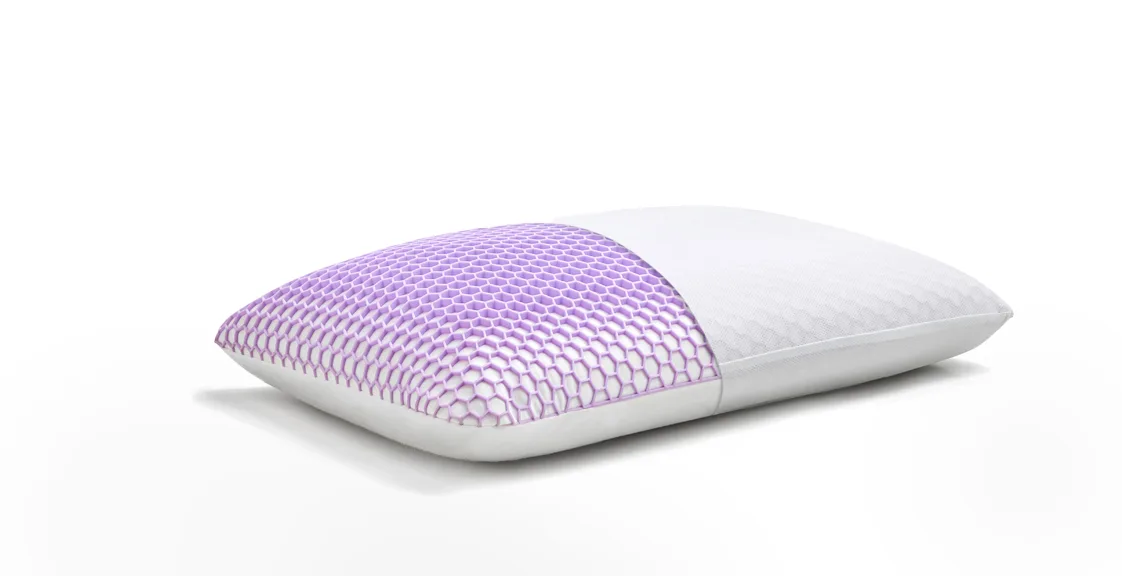
A TPE pillow typically consists of a solid, injection-molded honeycomb core made from medical-grade thermoplastic elastomer. The grid structure usually has 3000–5000 independent support columns, each capable of compressing and rebounding independently.
Compared with memory foam (density 45D–60D) or latex foam (65D–95D), TPE cores often have a density of 110D–130D, giving them a firmer but more elastic feel.
1.1 How the honeycomb structure affects performance
Pillars deform individually → adaptive neck support
Horizontal airflow channels → significantly lower heat retention
Uniform load distribution → prevents pressure points on the cervical spine
This engineering-oriented design is one of the reasons TPE pillows outperform traditional materials.
2. Are TPE Pillows Good? Performance Tested Across 6 Key Dimensions
To determine whether TPE pillows are “good,” we look at laboratory-style evaluations, market data, and real user testing.
2.1 Elasticity & Support Performance
In compression testing, TPE pillows typically demonstrate:
Instant rebound time: 0.2–0.5 seconds (memory foam: 3–5 seconds)
Elastic recovery rate after 10,000 compressions: above 96%
Load-bearing stability variance: <3%
What this means in real use:
● The pillow won’t “sink” throughout the night
● It holds the neck in a neutral position
● Combination sleepers can move without resistance
2.2 Breathability & Heat Control
Heat is a common complaint for memory-foam users. TPE’s open-grid design radically improves airflow.
Test readings (thermal imaging after 30 minutes):
| Pillow Type | Surface Temperature Rise |
| TPE honeycomb | +0.6°C |
| Latex | +1.8°C |
| Memory foam | +3.2°C |
The hollow channels facilitate constant air exchange, preventing heat buildup, sweat retention, and odor formation.
2.3 Hygiene, Allergy Control & Washability
TPE’s material properties make it naturally resistant to:
● Dust mites
● Mold
● Bacteria
● Odor absorption
Unlike foam pillows, which should not be submerged, TPE pillows can be:
● Washed under running water
● Cleaned in a bathtub
● Quickly dried because they do not absorb moisture
Brands often advertise a 5-minute rinse + sun dry cleaning method, making TPE ideal for:
● Children
● Allergy-prone individuals
● Hospitality environments
2.4 Durability & Anti-Deformation
Durability is one of TPE’s strongest advantages.
In long-term fatigue tests:
● Memory foam loses 15–30% height after 2 years
● Latex oxidizes, becoming brittle and yellow
● TPE retains 90–95% of its structural height after 3 years
Real-life consumer reports often show TPE pillows lasting 5–7 years with little shape change.
2.5 Odor & Chemical Safety
Memory foam often emits a chemical odor due to isocyanates or off-gassing.
High-quality TPE materials use:
● Food-grade formulations
● BPA-free components
● No plasticizers
● No latex or allergens
Certifications usually include FDA-grade TPE, RoHS, and REACH compliance.
2.6 Weight & Firmness Drawbacks
TPE pillows are heavier—typically 1.6–2.5 kg, depending on size.
Firmness level usually ranges from medium-firm to firm.
Not ideal for:
● People who prefer ultra-soft, cloud-like pillows
● Users who move pillows frequently in bed
3. Who Should Use TPE Pillows? (C-End Focus)
Perfect for:
● Side sleepers needing stable height
● Back sleepers needing neck curvature support
● Hot sleepers who sweat easily
● People with cervical discomfort
● Allergy sufferers
● Parents looking for safe, washable options
May not be ideal for:
● Stomach sleepers needing low-loft pillows
● Users who prefer down-like softness
● People sensitive to pillow weight
4. TPE Pillow vs. Other Pillow Types (Detailed Comparison)
4.1 TPE vs Memory Foam
| Feature | TPE | Memory Foam |
| Rebound | 0.2–0.5s | 3–5s |
| Heat retention | Very low | High |
| Washability | Full wash | Not washable |
| Lifespan | 5–7 years | 1–2 years |
| Feel | Elastic, supportive | Slow, contouring |
4.2 TPE vs Latex
| Feature | TPE | Latex |
| Oxidation | None | Yes |
| Smell | Odor-free | Light latex smell |
| Washability | Excellent | Limited |
| Firmness | Medium-firm | Medium-soft |
4.3 TPE vs Gel Cushions / Silicone Grid
TPE is softer and more elastic than silicone grids, and more durable than low-quality gel cushions.
5. Buying Guide: How to Choose the Right TPE Pillow (C-End)
5.1 Height (Loft) Selection
Side sleepers → 10–12 cm
Back sleepers → 9–10 cm
Stomach sleepers → 8–9 cm
5.2 Grid Density
High-density grid → firmer, better neck support
Low-density grid → softer, more flexible
5.3 Pillow Cover
Best materials:
● Ice silk
● Tencel
● Breathable cotton + mesh sides
5.4 Material Certifications
Look for:
● FDA-grade TPE
● REACH compliance
● Odor-free manufacturing
6. Why Brands and Distributors Should Consider TPE Pillows (B2B Focus)
6.1 High-Demand Segment
Global market data shows:
● “Cooling pillow” searches grew 34% YoY
● “Washable pillow” searches grew 29% YoY
● “Neck support pillow” segment is expanding fast
6.2 Strong Visual Marketing Potential
▲ Videos showing:
Stretching
Twisting
Honeycomb airflow
▲Perform extremely well on:
TikTok
Instagram Reels
Amazon product pages
Conversion rates for TPE-related videos are often 20–35% higher than foam or latex.
6.3 Low Return Rates
Because TPE pillows:
● Do not deform
● Do not develop odors
● Offer consistent support
Return rates for TPE pillows are typically under 3%, compared with 8–12% for foam pillows.
6.4 Durable Supply Chain
TPE molding is highly controllable:
● Stable quality
● Consistent material batches
● Resistant to environmental fluctuations
This is attractive for retailers seeking reliable inventory.
7. Conclusion: Are TPE Pillows Good?
Yes—TPE pillows are genuinely excellent for most users.
They offer:
● Superior elasticity
● Targeted cervical support
● Extreme breathability
● Full washability
● Long lifespan
● High material safety
For consumers, TPE pillows significantly improve sleeping comfort, particularly for hot sleepers and people with neck issues.
For brands and distributors, TPE pillows present a high-margin, low-return, trend-aligned product opportunity with strong viral marketing potential.
If you’re looking to launch a TPE pillow line, upgrade your bedding catalog, or educate customers, this material is one of the strongest contenders in the 2025 pillow market.
8. FAQ
Q:Are TPE pillows good for neck pain?
A:Yes. TPE pillows provide adaptive support and pressure relief, making them beneficial for people experiencing neck pain. The elastic grid structure helps maintain proper spinal alignment while reducing pressure points.
Q: Are TPE pillows better than memory foam pillows?
A:TPE pillows offer better breathability and cooling, while memory foam provides deeper contouring. If you sleep hot or prefer a more responsive feel, a TPE pillow may be better. If you want slow-rebound contouring, memory foam is ideal.
Q:Do TPE pillows sleep cool?
A:Absolutely. TPE material and its open honeycomb design allow for maximum airflow, helping to dissipate heat throughout the night. TPE pillows are known for being significantly cooler than memory foam.
Q:Are TPE pillows durable?
A:Yes. TPE is highly durable and maintains its elasticity over years of use. Unlike traditional foam pillows, TPE pillows do not easily flatten or lose their shape.
Q:Are TPE pillows safe?
A:Most TPE pillows are made from non-toxic, hypoallergenic materials that are safe for sensitive skin. They are typically free of harmful chemicals and off-gassing odors commonly found in some foam pillows.
Q:Can TPE pillows be washed?
A:Many TPE pillows can be rinsed or washed with water because they are made of a single molded piece. Always check the manufacturer’s guidelines, but they are generally easy to clean and quick to dry.
Q:Who should use a TPE pillow?
A:TPE pillows are great for:
-
Hot sleepers
-
People with neck or shoulder pain
-
Those who dislike the sinking feeling of memory foam
-
Allergy-sensitive individuals
-
Anyone wanting a supportive, cooling pillow
Q:Do TPE pillows have an odor?
A:TPE pillows typically have little to no smell compared to memory foam. Any slight odor from manufacturing usually dissipates quickly.
Q:How long does a TPE pillow last?
A:Due to its elastic structure, a TPE pillow usually lasts 3–5 years or longer, often outlasting standard foam or fiber pillows.
Q:Why Choose MIJUE?
A:
1.Materials Advantage: We offer a wide selection of high-quality materials — including memory foam, latex, and cooling gel — to meet diverse market needs. With large-scale and stable production capacity, we ensure consistent quality and reliable supply for every pillow order.
2.Lowest MOQ: Our minimum order quantity (MOQ) starts from just 100 pillows, giving our partners the flexibility to test markets, customize designs, and expand with confidence.
3.Trusted B2B Pillow Manufacturer : MIJUE provides a full range of tailored solutions — from shape and material to softness, firmness, and cover design.
With nine years of professional experience in pillow manufacturing, we bring deep craftsmanship and comfort expertise into every mattress we create.
Explore our exclusive collection designed for global partners, and let your imagination take flight.
At MIJUE, we offer expert guidance and collaborative support to bring your unique concepts to life — ensuring every product stands out in your market.