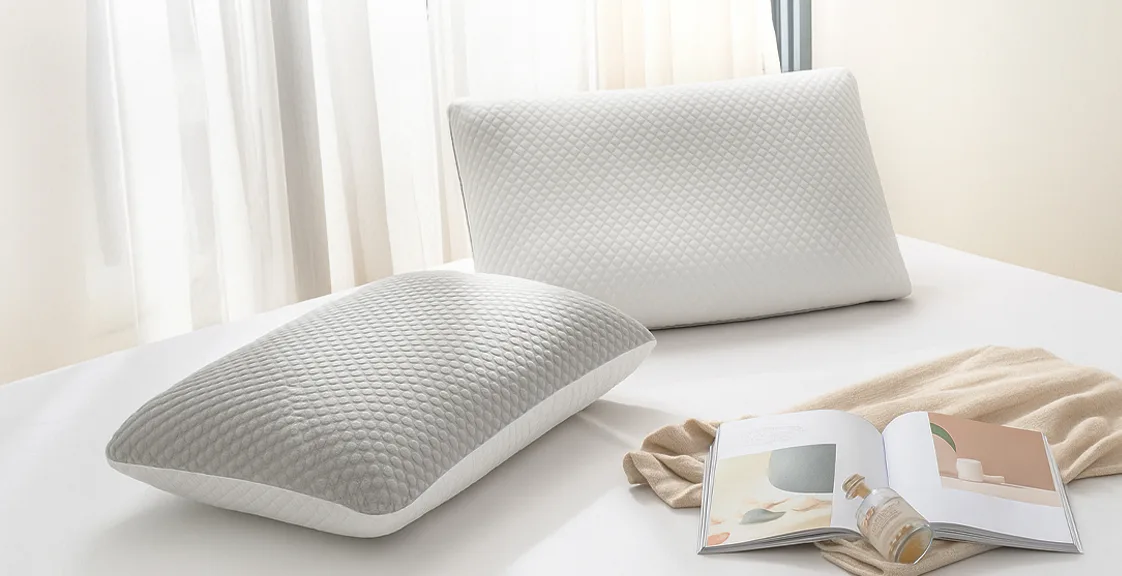
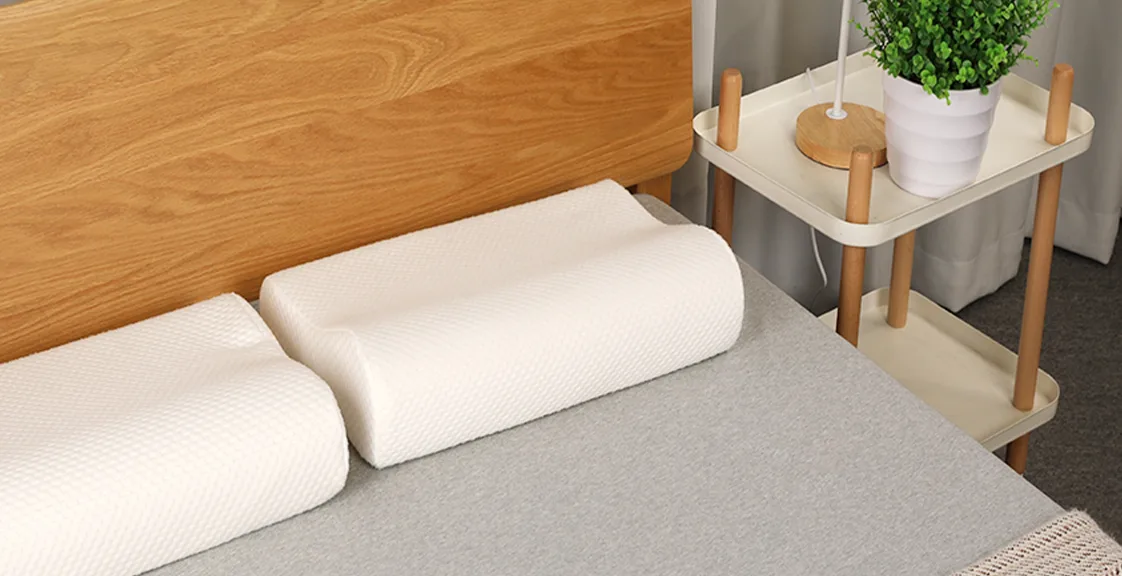
A memory foam pillow is one of the best investments for quality sleep. Its contouring design provides exceptional neck and spine support, helping relieve pressure and promote deep rest. However, caring for it properly—especially when it comes to washing and drying—is crucial for maintaining its structure and lifespan.
Drying a memory foam pillow incorrectly can cause it to warp, crack, or even develop mold. In this article, we’ll explain the safest and most effective ways to dry your memory foam pillow, along with common mistakes to avoid.
1. Understanding Memory Foam Before Drying
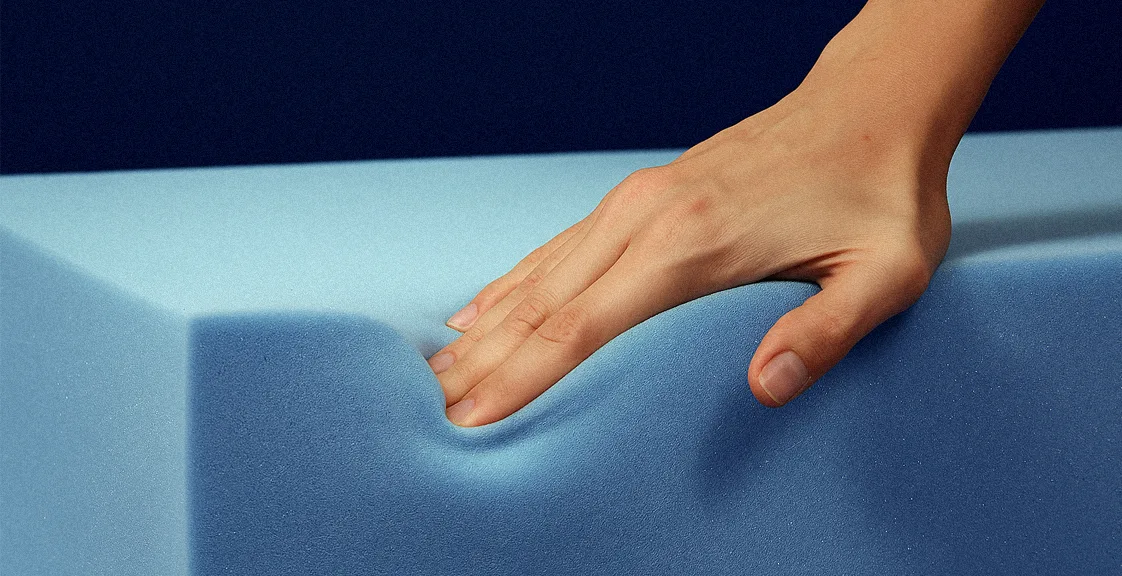
Memory foam, also known as viscoelastic foam, is a dense material designed to mold to your shape under pressure and heat. It retains moisture longer than traditional pillow fillings because of its closed-cell structure, which traps air and water inside.
That’s why drying it takes time and patience — rushing the process with heat (like using a dryer or hairdryer) can permanently damage the foam.
So before you begin drying, it’s important to understand that memory foam should never be machine-dried or exposed to direct heat.
2. When Should You Dry a Memory Foam Pillow?
There are several reasons you might need to dry your pillow:
● After spot cleaning spills or sweat stains
● Following a deep wash (though full washing is not often recommended)
● If it becomes damp from humidity or sweat
● After an accidental spill or pet accident
Regardless of the reason, the drying method remains similar — gentle, natural, and thorough.
3. Step-by-Step Guide: How to Dry a Memory Foam Pillow
Let’s go through the complete process for safely drying a memory foam pillow at home.
3.1 Step 1: Gently Squeeze Out Excess Water
After cleaning your pillow, gently press or squeeze it to remove excess water.
Do not twist, wring, or knead the foam — this can tear its internal structure.
You can also use a clean towel to press and blot the pillow, drawing out more moisture. Repeat until the towel no longer absorbs much water.
3.2 Step 2: Use a Dry Towel to Absorb Surface Moisture
Lay the pillow flat on a dry, absorbent towel.
Roll the towel around the pillow and press lightly to soak up additional moisture. You may need to repeat this step with a fresh towel if the first one becomes damp.
This step significantly reduces drying time.
3.3 Step 3: Air-Dry in a Well-Ventilated Area
Once most surface moisture is removed, it’s time to air-dry the pillow.
Place the pillow on a flat, clean surface (like a drying rack or table).
Keep it in a well-ventilated area with good airflow — near a fan or open window works best.
Flip and rotate the pillow every few hours to allow even drying on all sides.
Depending on humidity and airflow, drying can take anywhere from 24 to 48 hours. Patience is key — rushing with heat will ruin the foam.
3.4 Step 4: Use a Fan or Dehumidifier to Speed Up Drying
If you need to speed up the drying process, use room fans, a ceiling fan, or a dehumidifier.
These help circulate air and remove excess moisture from the environment without exposing the pillow to damaging heat.
3.5 Step 5: Ensure the Pillow Is Completely Dry
Before using or covering the pillow again, make sure it’s 100% dry.
Slight dampness inside the foam can cause mildew growth and unpleasant odors.
To check, press the pillow gently with your hand — if it feels cool or moist, continue drying for several more hours.
4. What You Should Never Do When Drying a Memory Foam Pillow
Even small mistakes can cause irreversible damage to memory foam. Avoid these common drying errors:
4.1 Don’t Use a Dryer
The high heat from a tumble dryer can melt or deform the foam. Even on “low heat,” the internal temperature may exceed what memory foam can handle.
4.2 Don’t Expose to Direct Sunlight
While sunlight helps disinfect, direct UV exposure can break down foam cells, making the pillow brittle or discolored. If you must dry outside, keep it in the shade.
4.3 Don’t Use a Hairdryer or Heater
Pointing a hairdryer or placing it near a space heater can overheat the foam unevenly, causing cracks or hard spots.
4.4 Don’t Cover or Use It Before Fully Dry
Trapping residual moisture under a pillowcase or sleeping on it too soon can lead to mold and bacteria growth, which may cause allergies or unpleasant smells.
5.Alternative Quick-Drying Methods (Safe Options)
If you live in a humid environment or need your pillow sooner, try these gentle techniques:
5.1 Fan-Assisted Drying
Set up a high-speed fan about 12–18 inches away from the pillow.
Rotate the pillow every 2–3 hours to ensure all sides dry evenly.
5.2 Dehumidifier Room Setup
Place the pillow in a small room with a dehumidifier running overnight. This method removes excess moisture from the air and speeds up the process.
5.3 Low-Heat Oven Drying (Advanced Users Only)
If absolutely necessary, you can dry the pillow using a no-heat or 80°F (27°C) oven setting for short intervals (10–15 minutes), with frequent checks. However, this method is risky and not recommended for beginners.

6. Cleaning Tips Before Drying Your Pillow
You shouldn’t fully soak a memory foam pillow, but spot cleaning is safe and effective:
Remove the outer cover and wash it separately.
Mix mild detergent with warm water.
Dip a soft cloth into the solution and dab gently on stains.
Rinse by blotting with a clean damp towel — do not pour water directly.
Proceed to the drying steps above.
This approach keeps your pillow clean without over-saturating it.
7. How Long Does It Take to Dry a Memory Foam Pillow?
Typically, it takes between 24 to 48 hours for a memory foam pillow to air dry completely.
Factors affecting drying time include:
● Room temperature and humidity
● Airflow strength
● Pillow thickness and density
● How much water was absorbed
To stay safe, always err on the side of caution — give your pillow at least 36 hours of drying time before using it again.
8. How to Prevent Moisture Buildup in the Future
Drying your pillow takes time, so it’s best to prevent moisture issues from happening again. Here’s how:
8.1 Use a Waterproof Pillow Protector
A high-quality breathable waterproof cover keeps sweat, drool, and spills from reaching the foam.
8.2 Keep Your Bedroom Dry
Use a dehumidifier or air purifier to control humidity, especially in tropical or coastal climates.
8.3 Wash the Pillow Cover Regularly
Most odor and moisture issues come from the pillowcase — washing it weekly keeps your pillow fresh.
8.4 Air Out Your Pillow Monthly
Once a month, place your pillow in a shaded, ventilated spot for a few hours to prevent trapped moisture buildup.
9.FAQ
Q:Why Choose MIJUE?
A:
1.Materials Advantage: We offer a wide selection of high-quality materials — including memory foam, latex, and cooling gel — to meet diverse market needs. With large-scale and stable production capacity, we ensure consistent quality and reliable supply for every pillow order.
2.Lowest MOQ: Our minimum order quantity (MOQ) starts from just 100 pillows, giving our partners the flexibility to test markets, customize designs, and expand with confidence.
3.Trusted B2B Pillow Manufacturer : MIJUE provides a full range of tailored solutions — from shape and material to softness, firmness, and cover design.
With nine years of professional experience in pillow manufacturing, we bring deep craftsmanship and comfort expertise into every mattress we create.
Explore our exclusive collection designed for global partners, and let your imagination take flight.
At MIJUE, we offer expert guidance and collaborative support to bring your unique concepts to life — ensuring every product stands out in your market.
Q:Where can I buy good memory foam pillows?
A:Welcome to MIJUE ! As a professional pillow manufacturer with 9 years of industry experience, we are committed to providing you with the best quality products at the most competitive prices.Contact us today to get a quick quote!
Q: Can I put my memory foam pillow in the dryer on “air only” mode?
A: Even on an air cycle, most dryers still generate some heat. It’s safer to air-dry naturally or use a fan instead.
Q: What if my pillow smells musty after drying?
A: Sprinkle baking soda on the surface, leave it for 2–3 hours, then vacuum it off. This removes odor and excess moisture.
Q: Is it okay to wash the entire pillow?
A: Ideally, no. Fully submerging a memory foam pillow can damage its structure. Stick to spot cleaning or use a removable washable cover.