There is no universally “best” mattress—only the mattress that best fits a specific commercial application and target market.
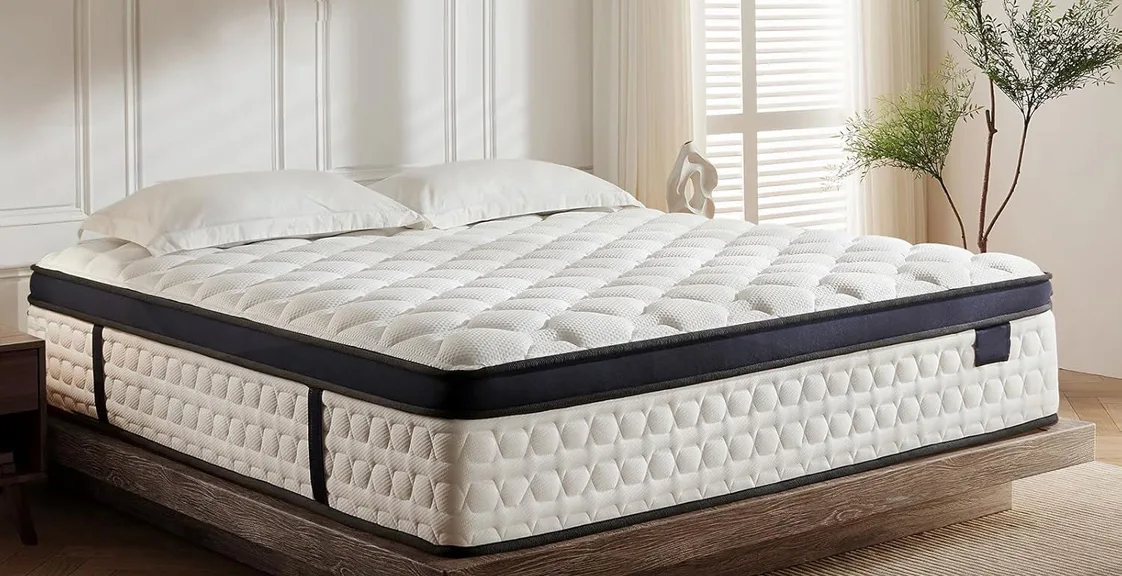
From a B2B perspective, hybrid mattresses combining pocket springs with functional comfort layers (latex or high-performance foam) deliver the most balanced performance in terms of comfort, durability, consistency, cost efficiency, and scalability. As a result, they have become the preferred solution for hotels, serviced apartments, real estate projects, and branded bedding programs.
Foam and latex mattresses still play important roles in specific use cases, while traditional Bonnell spring mattresses are gradually losing relevance in professional B2B markets.
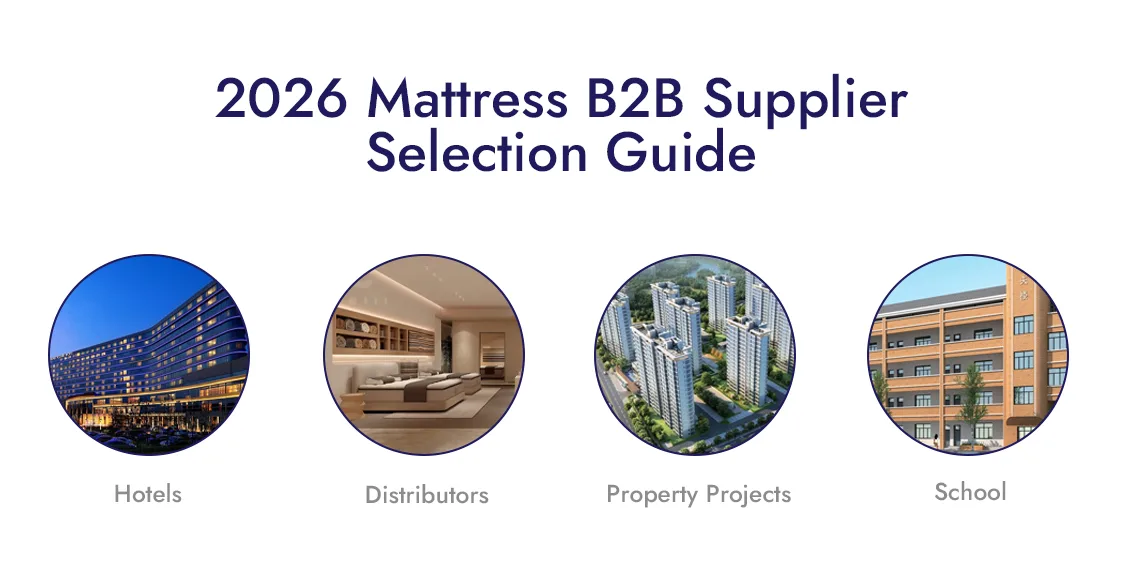
1. Why B2B Evaluation Differs from Consumer Choice
In the consumer market, mattress selection is often driven by short-term comfort perception and personal preference. In contrast, B2B buyers treat mattresses as long-term, high-usage assets that directly impact operational cost, brand reputation, and customer satisfaction.
Key B2B decision factors include:
Consistency Across Large Volumes
A mattress that performs well as a sample must deliver the same comfort and support across thousands of units and multiple production batches.
Durability and Life-Cycle Cost (LCC)
The real cost is not the purchase price, but the performance after 3–8 years of continuous use, including sagging rate, replacement frequency, and warranty claims.
Broad User Adaptability
Commercial mattresses must accommodate a wide range of body weights, sleeping positions, and cultural comfort expectations.
Supply Chain Stability
Raw material availability, production scalability, and lead-time reliability are critical for project-based procurement.
Regulatory Compliance and Certification
Fire resistance, VOC emissions, environmental standards, and regional compliance requirements are non-negotiable.
2. Comparison of Major Mattress Types (B2B View)
2.1 Pocket Spring Mattress
Strengths
Independent support that adapts well to different body weights
Excellent motion isolation, reducing partner disturbance
Strong airflow and temperature regulation
Mature manufacturing processes and standardized structures
Limitations
Comfort depends heavily on the top comfort layers
Rarely used alone in premium B2B projects
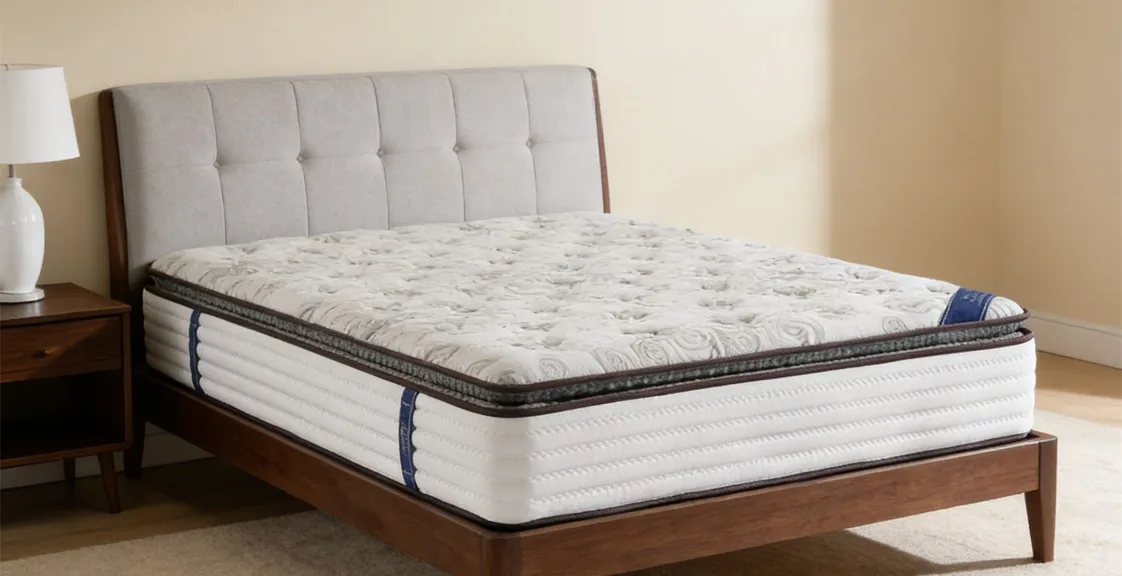
2.2 Hybrid Mattress (Pocket Spring + Foam / Latex)
Strengths
Balanced performance in support, comfort, and durability
Highly flexible design, suitable for multi-tier product lines
Low complaint rates in hospitality and residential applications
Strong acceptance among international brands
Limitations
More complex construction requires strict quality control
2.3 Latex Mattress
Strengths
High elasticity and immediate responsiveness
Naturally resistant to dust mites and bacteria
Silent performance due to metal-free construction
Limitations
Higher material cost and heavier weight
Limited support for high-BMI users
Price volatility of natural latex
2.4 High-Density Foam / Memory Foam Mattress
Strengths
Controlled production cost
Easy compression and roll-packing for e-commerce logistics
Strong initial pressure-relief sensation
Limitations
Heat retention and reduced airflow
Higher long-term fatigue and sagging risk
Less suitable for high-turnover hospitality use
2.5 Bonnell Spring Mattress
Strengths
Lowest cost
Simple and widely available manufacturing
Limitations
High motion transfer and noise
Uneven support and outdated comfort standards
3. Recommended Mattress Types by B2B Application
| Application | Recommended Type | Key Rationale |
| Luxury & Chain Hotels | Hybrid Mattress | Comfort stability and low complaint rate |
| Serviced Apartments | Pocket Spring + Foam | Durability with cost balance |
| Healthcare & Senior Living | Foam or Latex | Pressure relief and hygiene |
| Cross-Border E-commerce | Foam or Hybrid | Compression and SKU flexibility |
| Real Estate Projects | Modular Hybrid | Consistency and scalability |
4. Common Mistakes in B2B Mattress Procurement
- Requiring customized products for wholesale and project-based sales
Standard retail mattresses often fail to meet B2B requirements, making product customization essential for durability, specification alignment, and long-term wholesale success. -
Focusing only on unit price instead of life-cycle cost
Prioritizing the lowest purchase price often leads to higher long-term costs due to reduced durability, frequent replacements, and increased after-sales issues, especially in high-usage commercial environments. -
Assuming sample comfort equals mass-production consistency
Comfort and performance in a single sample do not always reflect large-scale production results, particularly when material sourcing, manufacturing tolerances, and quality control vary. -
Ignoring user weight distribution and usage intensity
Commercial mattresses must withstand higher load frequency and a wider range of user weights; overlooking these factors can result in premature sagging and performance degradation. -
Underestimating certification and compliance requirements
Failure to meet regional fire safety, material, and environmental standards can restrict market access and expose buyers to regulatory and legal risks.
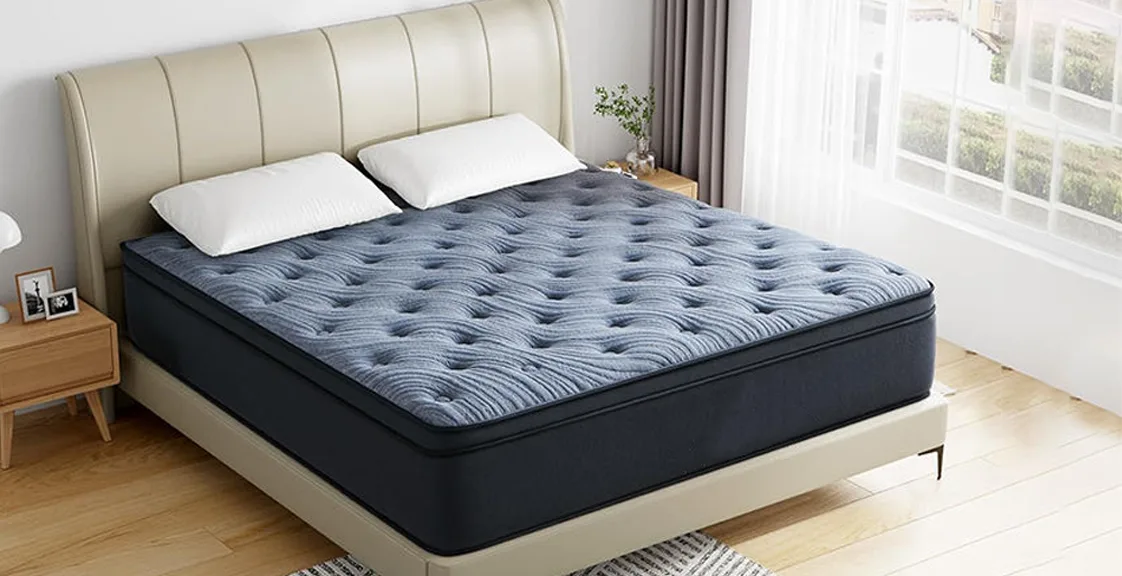
In the B2B mattress industry, “better” does not mean more expensive—it means more suitable.
For most commercial applications today, hybrid mattresses with pocket spring support cores offer the most reliable combination of performance, durability, cost efficiency, and scalability. Foam and latex mattresses remain valuable specialized solutions for defined use cases, while traditional Bonnell spring mattresses continue to decline in professional relevance.
The best mattress is not defined by material alone, but by how well it supports the long-term success of the business behind it.