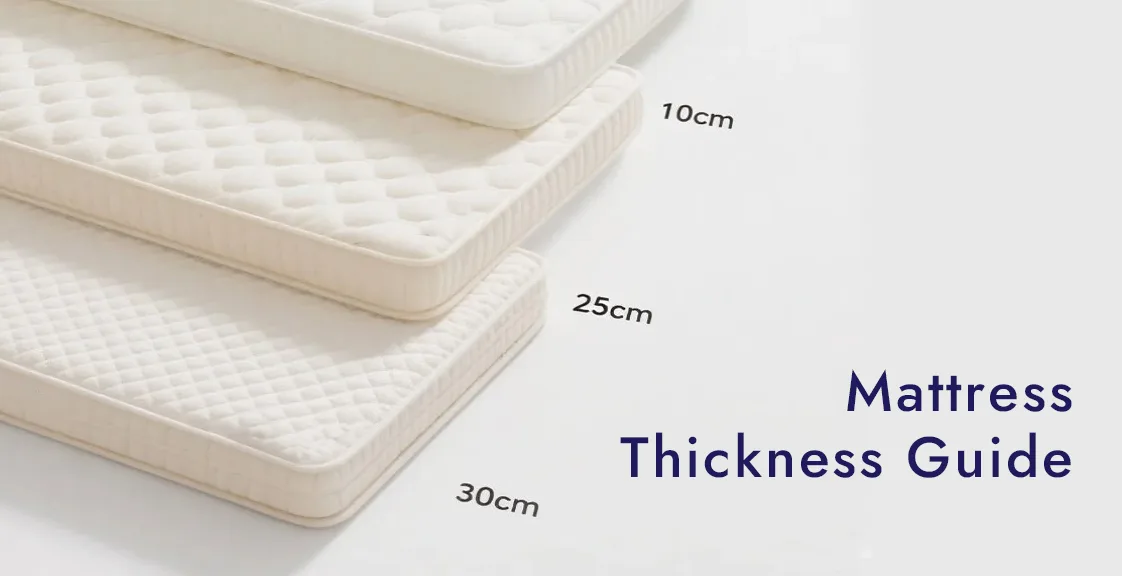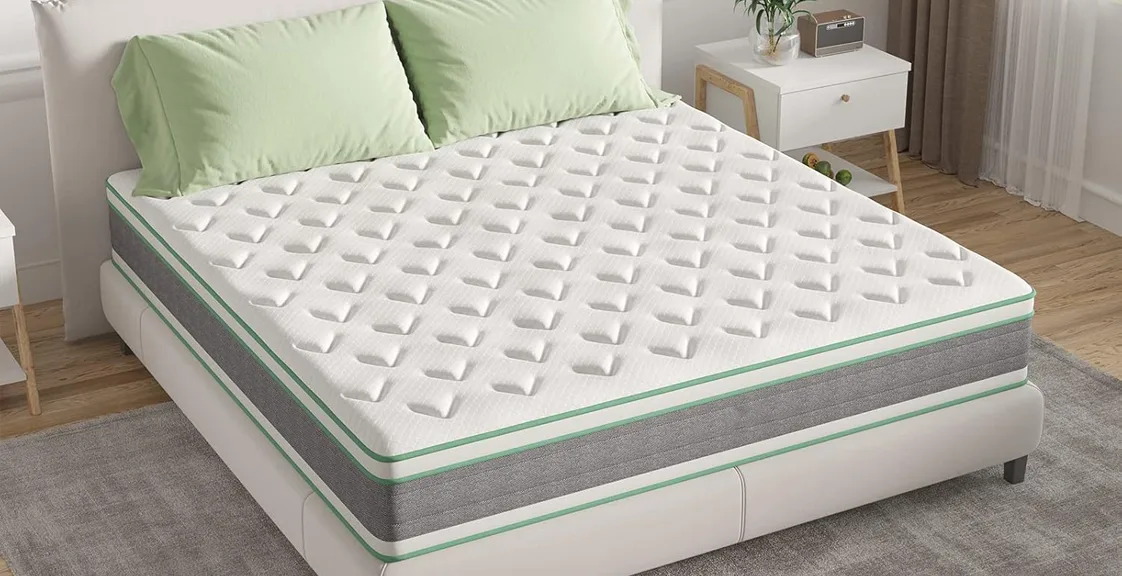
When you’re dealing with persistent back pain, the mattress you sleep on can play a major role in either exacerbating or alleviating your discomfort. The good news: orthopedic doctors and sleep-scientists point to clear characteristics of a supportive mattress. In this article you’ll learn:
What features orthopedic specialists recommend
What research/data says about back pain and sleep surfaces
How to select the right mattress for your body, sleep position & condition
Top mattress models that meet these criteria
1. Why Mattress Matters for Back Pain
A mattress that doesn’t properly support the spine can lead to poor sleeping posture, increased pressure on vertebrae and discs, stiffness, and pain. According to a review in the journal Journal of Orthopaedics and Traumatology, choosing the “correct mattress” can improve sleep quality and reduce back pain symptoms.
For example, the National Sleep Foundation explains that quality sleep surfaces can help maintain spinal alignment and reduce joint/back pain. Sleep Foundation Another study referenced by WebMD found that back pain sufferers who switched to a medium‐firm mattress reported less discomfort after 90 days.
Thus, the mattress is far from just a comfort choice—it’s a health support component.
2. What Orthopedic Doctors Recommend: Key Mattress Features
Based on expert commentary and survey data, here are the features most frequently recommended by orthopedic doctors and sleep experts for back-pain relief:
2.1 Medium-to-Firm Support (Not Ultra Soft or Ultra Hard)
Research shows that very soft mattresses allow your hips or midsection to sink, distorting spinal alignment; very hard mattresses may create pressure points.
For example, WebMD’s back‐pain mattress guide concluded the “medium‐firm” group reported the LEAST discomfort compared with firmer or softer types.
The NCOA (from turn0search0) notes “a medium-firm mattress is best for promoting spinal alignment.”
2.2 Good Spinal Alignment + Zoned Support
Protecting the natural S-curve of the spine is key. According to the NCOA review: “Mattresses that help keep your spine in a neutral position while sleeping can help reduce the risk of straining the lower back.”
Zoned support (firmer in the lumbar region, slightly softer around shoulders/hips) is recommended for back pain relief.
2.3 Durable Materials and Minimal Sagging
A mattress that sags or loses support will undermine alignment. As mattress retailers note: “A good orthopedic mattress is engineered to support the natural alignment of the spine, distribute weight evenly, and minimize pressure points.”
Choose mattresses with high-density foam, strong coil systems, or hybrid designs that maintain support over years.
2.4 Pressure Relief + Motion Isolation
For many back-pain sufferers, reducing pressure points (especially at hips/lower back) improves sleep. Sleepopolis found that models with good pressure-map performance relieved lower back strain.
If you sleep with a partner, motion isolation helps avoid disturbances that can exacerbate pain.
2.5 Tailored to Your Sleep Position & Body Type
Back sleepers need firmer support under the lower back; side sleepers need some contouring around shoulders/hips but still support the lumbar region. Sleepopolis emphasizes matching mattress feel with position.
Body weight matters: heavier individuals may need firmer builds to avoid sagging, while lighter individuals may benefit from slightly softer comfort layers (but still support).
2.6 Consultation With Healthcare Advisors
While mattress choice can help, it’s not a cure for serious spine disorders. Orthopedic/spine specialists recommend that people with herniated discs, scoliosis, or post-surgery consult their provider to determine optimal support needs.
3. What Type of Mattress Works Best for Back Pain?
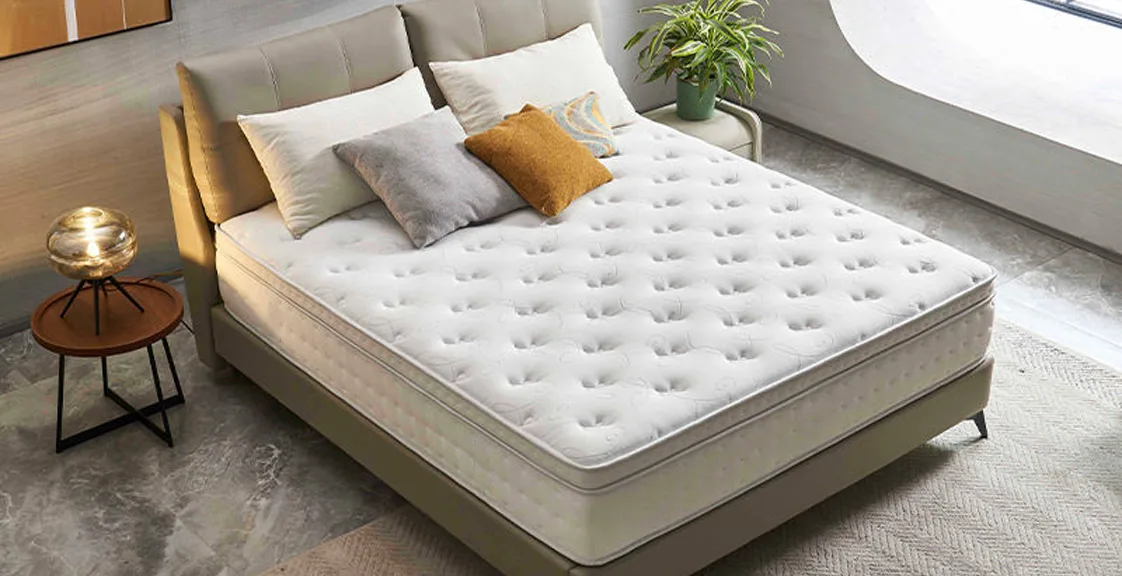
Putting the above features together, the consensus: A medium-firm hybrid or coil mattress with zoned support tends to offer the best balance for back pain. Foam-only ultra-soft mattresses may be too “huggy” and allow sagging; very firm “rock surface” beds may cause pressure.
● Key appeals:
Hybrid/coils keep you “on top” rather than sinking too far
Zoned support reinforces the lumbar
Quality craftsmanship resists sagging over years
For example, the NCOA review lists the model Saatva RX as “Best Overall Orthopedic Mattress” for promoting spinal alignment and pain relief.
4. How to Choose the Right Mattress for YOUR Back Pain
Here are actionable steps to tailor your mattress decision:
● Determine your sleep position(s). Back/side/stomach each have different support needs.
● Identify your body weight category. Heavier sleepers (>230 lbs/≈105 kg) need stronger support so mattress doesn’t sag.
● Choose firmness accordingly. Generally medium-firm is a safe starting point. Too soft or too firm often worsen pain.
● Check for lumbar or zoned support. Look for built-in features that support the lower back.
● Test for at least 30-90 nights. Many back pain benefits show up after about 2-3 months.
● Check for durability and warranty. Sinking/support loss will undermine alignment and bring back pain back.
● Consult your health professional. If you have spinal surgery, scoliosis, or disc issues, ask your orthopedic doctor which firmness/profile they suggest.
5. FAQ
Q:Does mattress firmness matter for lower back pain?
A: Yes. Studies (like WebMD’s) showed that participants using a medium-firm mattress reported less pain than those on firmer mattresses over a 90-day period.
Q:How long does it take for a new mattress to reduce back pain?
A: It varies, but many studies suggest around 60-90 days for your body to adapt and for pain reduction to be measurable. If discomfort increases after the break-in period, mattress may be the wrong support level.
Q:Is a memory foam mattress bad for back pain?
A: Not necessarily. High-quality memory foam with supportive core (i.e., hybrid or high density) can be effective. The issue arises when the mattress is too soft and allows sagging, or lacks lumbar support and spinal alignment. Ego, foam alone may lack edge support or motion stability.
Q:Should I replace my mattress if I wake up with back pain?
A: If your mattress is over 7-10 years old, shows visible sagging (e.g., more than 1½–2 inches), or you consistently wake up with stiffness, yes, it may be time. Orthopedic specialists frequently note old mattresses contribute to poor sleep posture. 纽约邮报
Q:Can mattress alone cure back pain?
A: No. A mattress is one component of back-health. For lasting relief, you may also need exercise for core/hip stability, correct sleep posture, pillow alignment, and manage other contributing factors such as body weight, activity level, and ergonomics.
Q:Why Choose MIJUE?
A:
1.Materials Advantage: We offer a wide selection of high-quality materials — including memory foam, latex, and cooling gel — to meet diverse market needs. With large-scale and stable production capacity, we ensure consistent quality and reliable supply for every mattress order.
2.Lowest MOQ: Our minimum order quantity (MOQ) starts from just 100 mattresses, giving our partners the flexibility to test markets, customize designs, and expand with confidence.
3.Trusted B2B Mattress Manufacturer : As a trusted B2B mattress manufacturer, MIJUE provides a full range of solutions — from hybrid, hotel and home mattresses to pocket spring and custom designs.
Explore our exclusive collection created for global partners, and let your imagination take flight.
At MIJUE, we offer expert guidance and collaborative support to bring your unique concepts to life, ensuring every mattress stands out in your market.