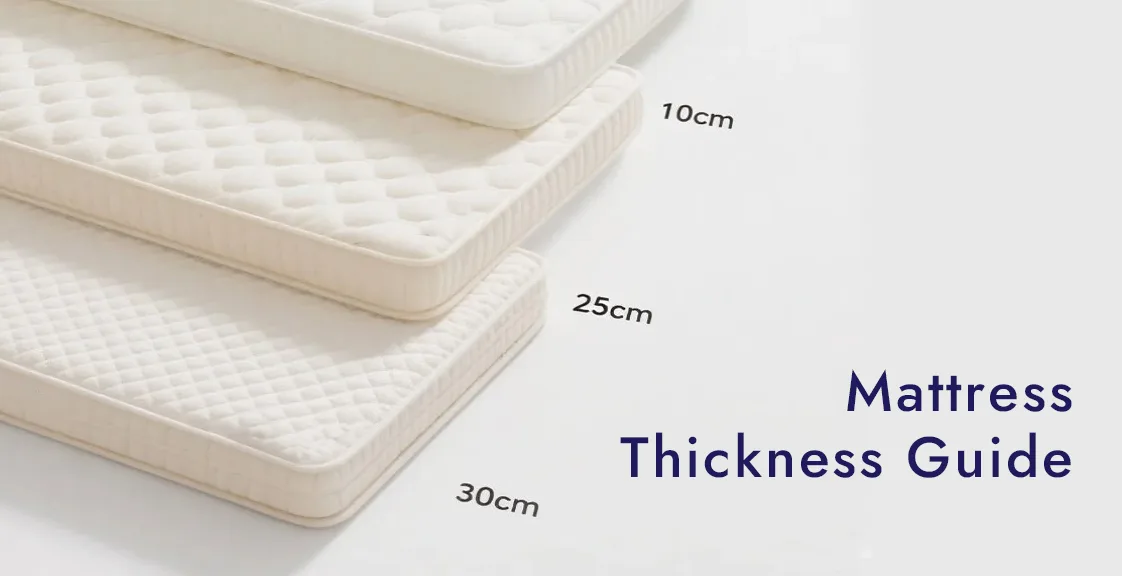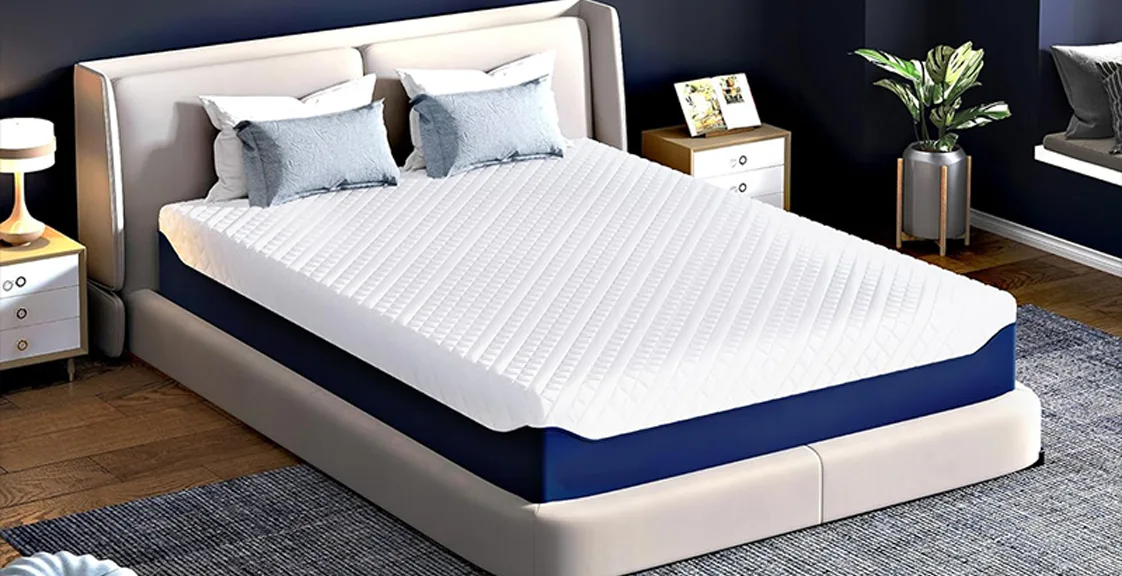
A memory foam mattress is made from multiple carefully engineered materials, not just memory foam alone. At its core, it combines viscoelastic memory foam for pressure relief, support foams or springs for structure, and breathable fabrics and fibers for comfort and durability. Modern memory foam mattresses often include cooling gel foams, high-resilience transition layers, protective pads, and advanced covers to balance comfort, support, temperature regulation, and longevity. Understanding these materials helps consumers choose the right mattress for their sleep style, body type, and comfort preferences.
Memory foam mattresses are among the most popular sleep products worldwide, known for their pressure-relieving comfort and body-contouring support. However, many people assume a memory foam mattress is made from a single block of foam. In reality, it is a multi-layer system, with each layer serving a specific purpose.
In this article, we’ll explore all the materials commonly used in a memory foam mattress, explain what each one does, and show how they work together to create a balanced sleep experience. This guide is ideal for product pages, blogs, or buyer education content.
1.Memory Foam (Viscoelastic Foam)
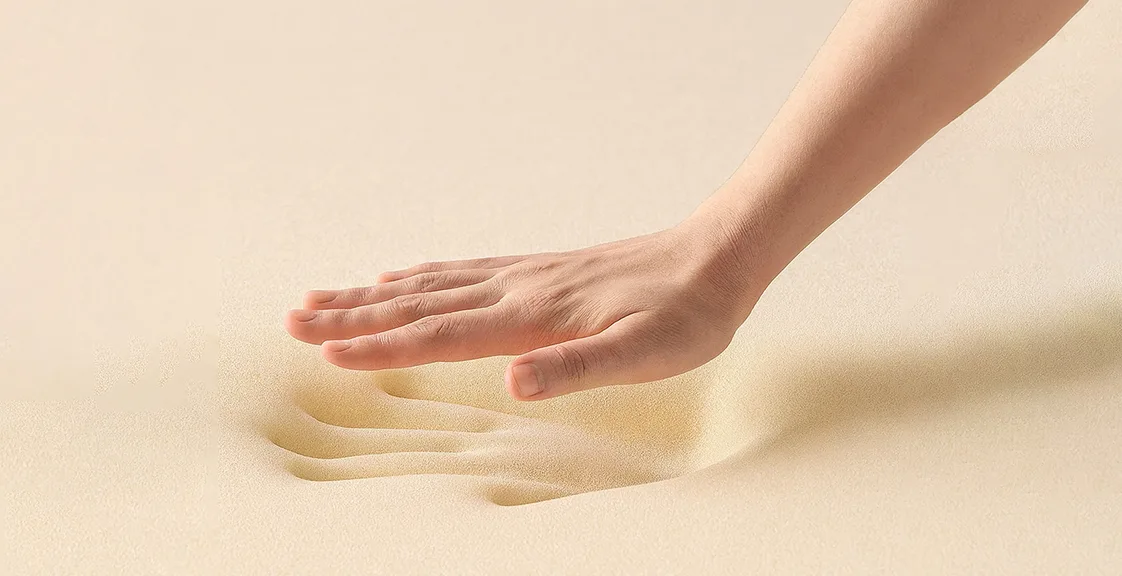
Memory foam, also called viscoelastic foam, is a polyurethane-based foam enhanced with chemical additives that allow it to soften under heat and pressure.
1.1Function
Conforms closely to the body
Distributes weight evenly
Reduces pressure points at the shoulders, hips, and back
1.2Key characteristics
Slow rebound (slow response foam)
Excellent pressure relief
Motion isolation
Memory foam is typically used as the top comfort layer or just beneath the surface fabric.
2.Gel Memory Foam
2.1What it is
Gel memory foam is memory foam infused with cooling gel particles, beads, or liquid gel swirls.
2.2Function
Absorbs and disperses heat
Reduces the “sleep hot” feeling associated with traditional memory foam
2.3Benefits
Improved temperature regulation
Maintains pressure-relieving properties
Popular in modern cooling mattresses
Gel memory foam is especially common in mid-range to premium memory foam mattresses.
3.Open-Cell or Ventilated Memory Foam
3.1What it is
A modified memory foam structure with open pores or perforated channels.
3.2Function
Enhances airflow
Releases trapped heat
3.3Why it matters
Traditional memory foam has a closed-cell structure that can retain heat. Open-cell or ventilated foam significantly improves breathability without sacrificing comfort.
4.Transition Foam (Supportive Comfort Layer)
4.1What it is
A medium-firm foam layer placed between memory foam and the support core.
4.2Common materials
High-Resilience (HR) Foam
PU Foam (Polyurethane Foam)
Adaptive Foam
4.3Function
Prevents excessive sinking
Improves spinal alignment
Smooths the feel between soft comfort foam and firm support layers
Transition foam is essential for maintaining comfort while avoiding the “stuck” feeling.
5.High-Density Support Foam
5.1What it is
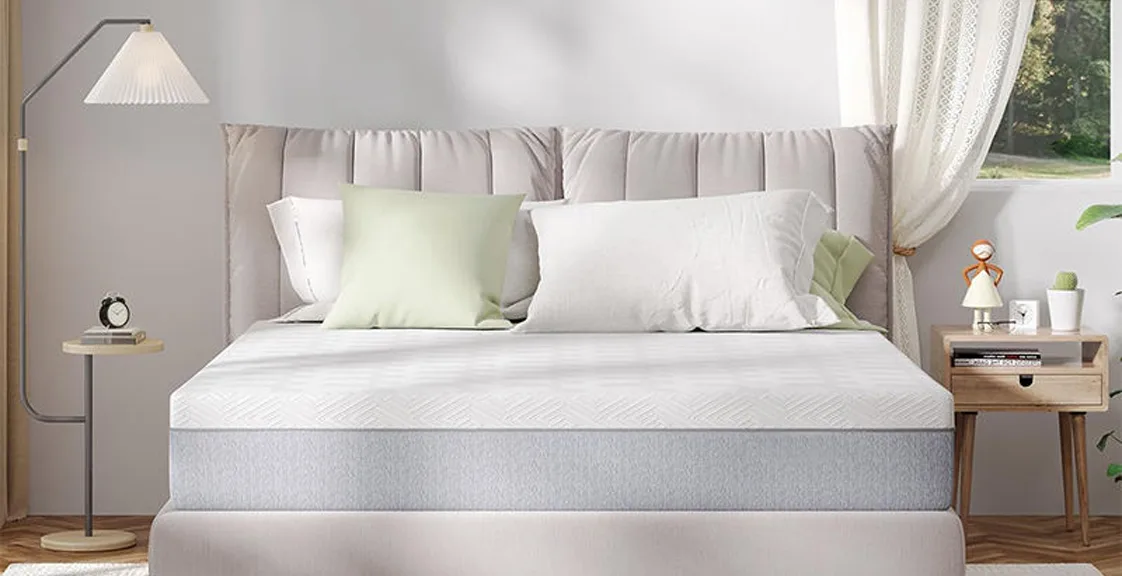
A firm polyurethane foam used as the base layer in all-foam memory foam mattresses.
5.2Function
Provides structural support
Maintains mattress shape
Increases durability and lifespan
5.3Key features
High density (often 1.8–2.2 lb/ft³ or higher)
Strong load-bearing capacity
Without a solid support foam base, a memory foam mattress would collapse over time.
6. Pocket Springs (in Hybrid Memory Foam Mattresses)
6.1What they are
Individually wrapped steel coils used in memory foam hybrid mattresses.
6.2Function
Adds responsive support
Improves airflow
Enhances edge support
6.3Benefits
Better support for heavier sleepers
Easier movement and bounce
Cooler sleep compared to all-foam designs
Hybrid mattresses combine memory foam comfort with spring support.
7. Foam Box or Edge Support Foam
7.1What it is
High-density foam surrounding the mattress perimeter.
7.2Function
Reinforces edges
Prevents sagging
Increases usable sleep surface
Edge support is especially important for hybrid and thicker memory foam mattresses.
8. Polyester Fiber (Fiberfill)
8.1What it is
Synthetic fiber batting used beneath the mattress cover.
8.2Function
Adds surface softness
Improves airflow
Enhances initial comfort feel
Polyester fiber is lightweight, breathable, and cost-effective.
9. Mattress Cover Fabrics
Common materials used
9.1Knit Fabric
Soft and stretchy
Allows foam layers to contour freely
Very common in memory foam mattresses
9.2Polyester Fabric
Durable and wrinkle-resistant
Easy to maintain
Often blended with other fibers
9.3Bamboo or Tencel Blends (Premium models)
Moisture-wicking
Naturally breathable
Soft, cool touch
The mattress cover plays a major role in temperature control and first-touch comfort.
10. Nonwoven Fabric
10.1What it is
A lightweight structural fabric used inside the mattress.
10.2Function
Separates foam layers
Protects internal components
Improves durability
Nonwoven fabric is not meant for comfort but is critical for structural integrity.
11. Isolation Pads and Felt Pads
11.1What they are
Dense fiber or felt layers placed between foam and springs.
11.2Function
Protects foam from coil abrasion
Distributes pressure evenly
Reduces noise
Isolation pads are essential in hybrid memory foam mattresses.
12. Fire-Retardant Materials
12.1Purpose
Memory foam mattresses must meet fire safety standards.
12.2Common fire barriers
Silica-infused fabric
Fiberglass-free fire socks
Chemical-treated rayon blends
Modern manufacturers increasingly use fiberglass-free fire barriers for safety and comfort.