A Complete Guide to Choosing a Mattress That Supports Your Health
Choosing a mattress isn’t just about comfort—it’s a major decision that impacts your sleep quality, spinal health, and even your air quality. With the growing awareness of chemical emissions, allergies, and ergonomic support, many people want to know: What is the healthiest mattress to sleep on?
This guide will help you evaluate the healthiest options and what to look for in a mattress based on your health needs.
1. Why Your Mattress Matters for Health
A healthy mattress can significantly improve sleep quality and overall health. Factors like spinal alignment, pressure relief, hypoallergenic materials, and chemical safety play a huge role.
1.1 Key Health Benefits of a Good Mattress
● Spinal Alignment: Prevents back and neck pain.
● Allergy Prevention: Reduces exposure to allergens like dust mites.
● Non-Toxic Materials: Minimizes exposure to harmful VOCs and chemicals.
● Support & Comfort: Enhances deep sleep and reduces tossing and turning.
2. Types of Mattresses and Their Health Impact
Not all mattresses are created equal when it comes to health. Here are the main types and their benefits:
2.1 Natural Latex Mattresses
● Best For: Eco-conscious sleepers, allergy sufferers, hot sleepers.
Natural latex, made from rubber tree sap, is one of the healthiest mattress materials. It’s naturally resistant to dust mites, mold, and mildew, and offers balanced support and responsiveness.
● Pros:
Hypoallergenic and breathable
Free from harsh chemicals
Durable and sustainable
● Cons:
Heavier than other types
Can be expensive
Tip: Look for certifications like GOLS (Global Organic Latex Standard) and GOTS (Global Organic Textile Standard).
2.2 Organic Cotton Mattresses
● Best For: Infants, sensitive sleepers, sustainability advocates.
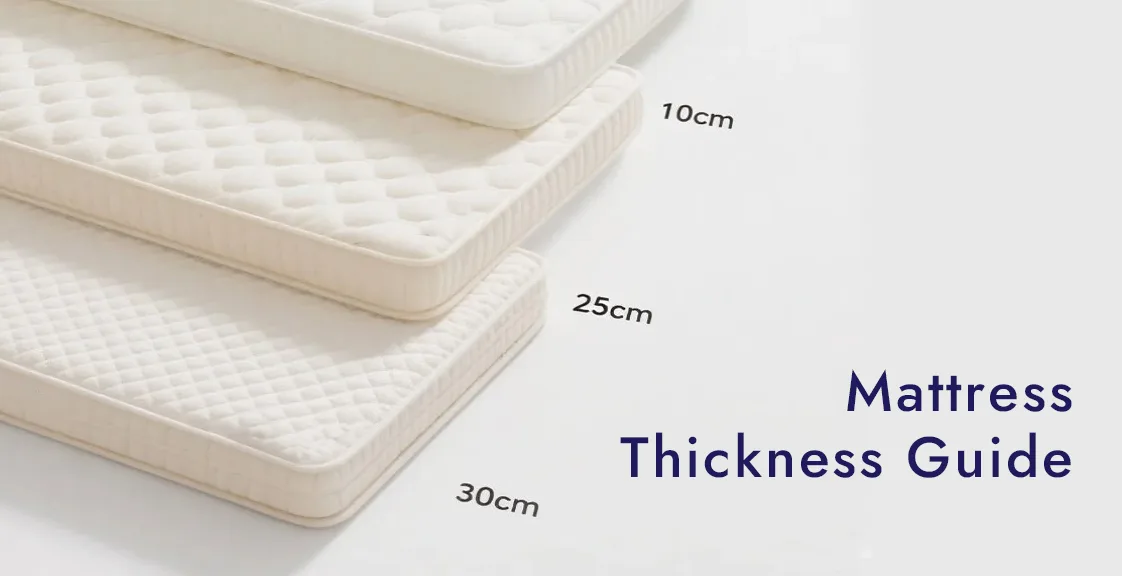
Organic cotton is a popular choice, especially for crib mattresses or thin futon-style beds. It’s breathable and soft, and when grown without pesticides, it’s much safer than chemically-treated cotton.
● Pros:
Natural and chemical-free
Breathable and soft
Great for small kids or minimal sleeper weight
● Cons:
Usually firm and less durable over time
Not ideal for heavy adults
2.3 Memory Foam Mattresses
● Best For: Pressure relief, chronic pain sufferers, side sleepers.
Memory foam molds to your body shape and reduces pressure points. However, its health impact depends on the foam formulation.
● Pros:
Good for pressure relief and pain reduction
Isolates motion—good for couples
● Cons:
Traditional memory foam can off-gas chemicals
Retains heat unless infused with cooling materials
Healthy Choice Tip: Look for CertiPUR-US® certified foam, which is tested for harmful chemicals like heavy metals, formaldehyde, and ozone depleters.
2.4 Hybrid Mattresses
● Best For: Balanced support, back pain sufferers, hot sleepers.
Hybrid mattresses combine coils with foam or latex layers, offering breathability and ergonomic support. They balance comfort and structure well.
● Pros:
Better airflow due to coils
Responsive support
Available with organic or natural top layers
● Cons:
Heavier and more expensive
Quality varies widely between brands
2.5 Innerspring Mattresses
● Best For: Budget buyers, traditional mattress lovers, hot sleepers.
Modern innerspring mattresses often include a pillow-top or foam layer for added comfort. They’re breathable and lightweight but may not offer adequate pressure relief or be free from synthetic materials.
● Pros:
Affordable and widely available
Cool and breathable
● Cons:
Lower durability
Often treated with flame retardants or chemicals
3. Toxic Chemicals to Watch Out For
Some mattresses—especially cheaper synthetic models—may contain chemicals that off-gas into the air.
3.1 Common Mattress Toxins
● Flame Retardants (PBDEs): Linked to thyroid disruption and developmental issues.
● Formaldehyde: Can trigger asthma and respiratory irritation.
● VOC Emissions: Volatile organic compounds can cause headaches and breathing issues.
How to Avoid: Choose mattresses with low-VOC, organic, or natural certifications.
4. Who Needs a Healthy Mattress Most?
4.1 Allergy Sufferers
Dust mites, mold, and chemicals can trigger allergic reactions. Latex or wool mattresses naturally repel allergens.
4.2 Babies and Children
Young immune systems are extra sensitive. Always choose certified organic crib mattresses.
4.3 People with Chronic Pain
Memory foam or hybrid mattresses with zoned support can relieve back or joint pain.
4.4 Pregnant Women
Exposure to VOCs and flame retardants can impact developing fetuses—safe materials like wool or latex are better options.
5. Certifications to Look for in a Healthy Mattress
5.1 OEKO-TEX® Standard 100
Tested for harmful chemicals and certified safe for human use.
5.2 CertiPUR-US®
Safe, low-emission foam without ozone depleters and harmful metals.
5.3 GOLS & GOTS
Organic certifications for latex and textiles like cotton or wool.
5.4 Greenguard Gold
Certified for very low emissions of formaldehyde and VOCs.
6. How to Choose the Healthiest Mattress for You
Here are key points to consider when shopping for a health-focused mattress:
● Sleep Position: Side and back sleepers may benefit from foam or hybrids; stomach sleepers may prefer firm latex.
● Material Sensitivity: If you’re sensitive to chemicals, avoid synthetic foams.
● Budget: Healthy mattresses can be more expensive, but the investment pays off in better sleep and long-term benefits.
● Trial Periods: Look for brands with generous return policies—healthy sleep takes adjustment.
7. FAQ
Q:What is the healthiest type of mattress material?
A:The healthiest mattress materials are natural, hypoallergenic, and chemical-free. Natural latex, organic cotton, and wool are top choices. These materials are eco-friendly, breathable, and free from toxic flame retardants or chemical adhesives.
Q:Are memory foam mattresses safe?
Memory foam can be safe if it’s CertiPUR-US® certified, meaning it’s made without harmful chemicals like formaldehyde, heavy metals, and ozone depleters. Look for low-VOC emitting foam and avoid cheap models that lack certification.
Q:Is a firm or soft mattress better for health?
A:It depends on your sleeping position and spinal needs. Side sleepers usually benefit from softer mattresses to support shoulders and hips, while back and stomach sleepers often feel better on medium-firm to firm mattresses for proper spinal alignment.
Q:What certifications should a healthy mattress have?
Look for certifications such as:
GOLS (Global Organic Latex Standard)
GOTS (Global Organic Textile Standard)
OEKO-TEX® Standard 100
CertiPUR-US®
Greenguard Gold
These assure that the mattress is free from harmful chemicals and safe for long-term use.
Q:Can a mattress cause health issues?
A:Yes, a poorly made mattress can cause health problems such as back pain, allergies, asthma, and even exposure to harmful VOCs (volatile organic compounds). Always look for materials that are non-toxic, hypoallergenic, and free from chemical treatments.
Q:What mattress is best for people with allergies?
A:A natural latex mattress is ideal for allergy sufferers—it’s naturally antimicrobial and resistant to dust mites, mold, and bacteria. Wool and organic cotton are also great for allergy-sensitive individuals.
Q:Do organic mattresses last as long as regular ones?
A:Yes. In fact, organic latex and natural mattress materials often last longer than synthetic foams. Latex mattresses can last up to 15–20 years with proper care, making them durable and sustainable.
Q:Are hybrid mattresses healthy?
A:Hybrid mattresses can be healthy if they use certified non-toxic foams or natural comfort layers like latex. They also provide good support and airflow, which is good for spinal alignment and temperature regulation.
Q:Why Choose MIJUE?
A:
1.Materials Advantage: We offer a wide selection of high-quality materials — including memory foam, latex, and cooling gel — to meet diverse market needs. With large-scale and stable production capacity, we ensure consistent quality and reliable supply for every mattress order.
2.Lowest MOQ: Our minimum order quantity (MOQ) starts from just 100 mattresses, giving our partners the flexibility to test markets, customize designs, and expand with confidence.
3.Trusted B2B Mattress Manufacturer : As a trusted B2B mattress manufacturer, MIJUE provides a full range of solutions — from hybrid, hotel and home mattresses to pocket spring and custom designs.
Explore our exclusive collection created for global partners, and let your imagination take flight.
At MIJUE, we offer expert guidance and collaborative support to bring your unique concepts to life, ensuring every mattress stands out in your market.