A TPE pillow uses a molded elastic grid to deliver cooling airflow, strong support, and long-term durability. Learn how it’s made, how it performs, and who it suits.
In the evolving world of sleep technology, TPE pillows—made from thermoplastic elastomer—have become one of the fastest-growing materials in the premium pillow market. Unlike traditional fiberfill, latex, or memory foam, TPE pillows offer a unique combination of elasticity, resilience, breathability, structural engineering, and long-term stability. But what exactly is a TPE pillow, what makes it different, and why are so many manufacturers and consumers shifting to this material?
This comprehensive guide provides a technical, data-backed explanation suitable for SEO content, product education, and professional bedding brands.
1. What Exactly Is a TPE Pillow?
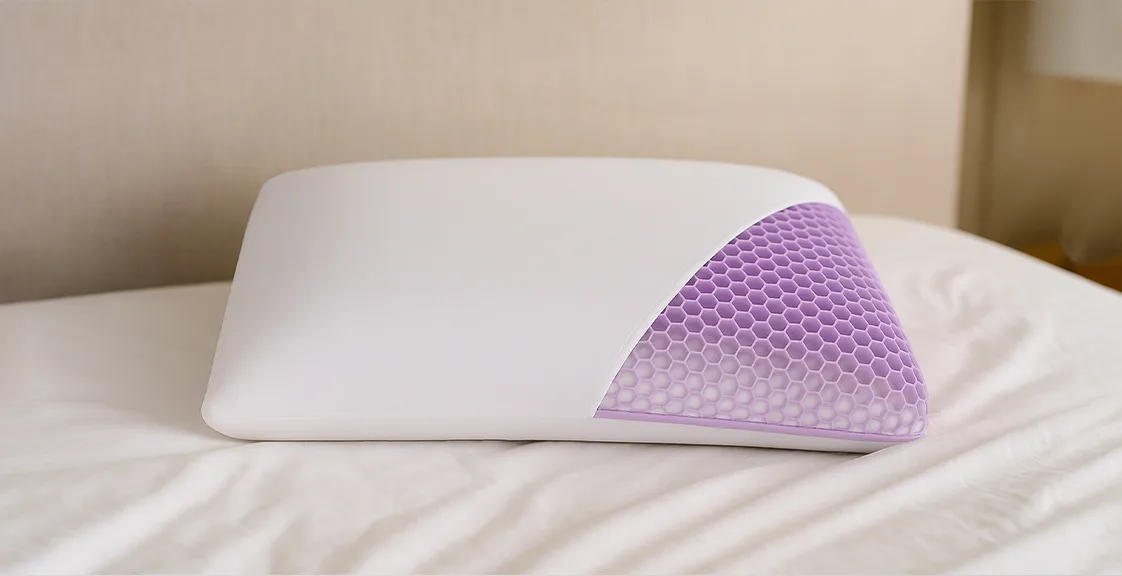
A TPE pillow is a pillow made from thermoplastic elastomer, a hybrid polymer that combines the soft elasticity of rubber with the moldability of plastic. Unlike foam pillows, which are chemically expanded, a TPE pillow is formed through injection molding, producing a solid yet flexible honeycomb or grid structure.
1.1 Material Composition
TPE used in pillows typically consists of:
Block copolymers (e.g., SEBS or SBS)
Mineral oils (safe, food-grade)
Elastomeric additives
Stabilizers for UV and thermal resistance
Key properties include:
Shore A hardness: 8–20 (soft-elastic grade)
Density range: 1.05–1.25 g/cm³
Tensile strength: 6–12 MPa
Elongation at break: 400–700%
These mechanical properties directly affect the pillow’s feel, support, and durability.
2. How Is a TPE Pillow Structured?
While foam pillows are typically solid blocks, TPE pillows feature engineered geometric cores, most commonly:
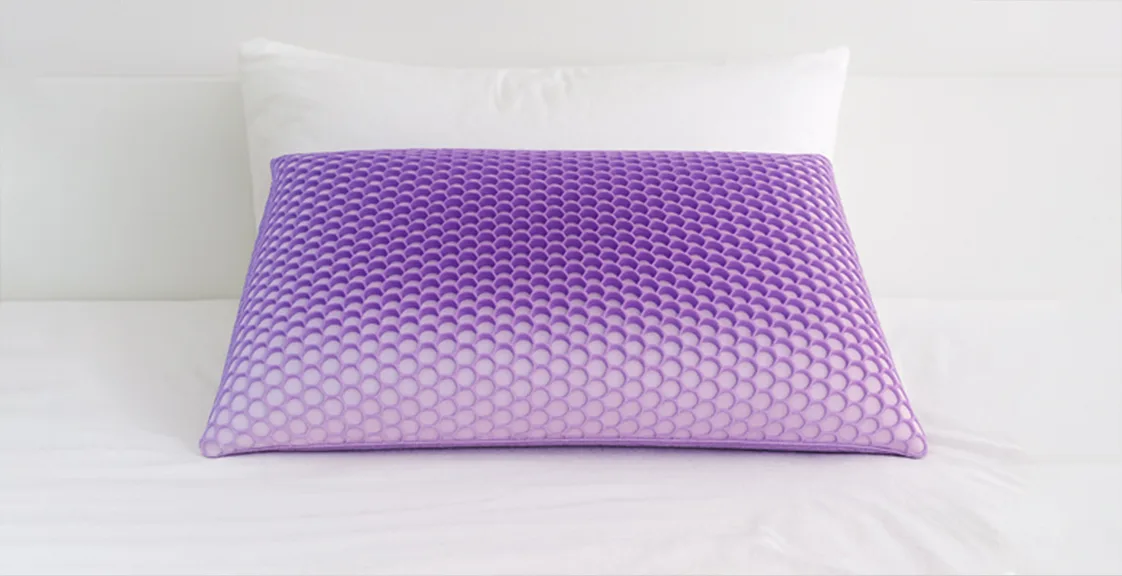
2.1 Honeycomb Grid (Most Common)
Typically 3,000–5,000 individual support columns
Pillars compress independently → adaptive pressure relief
Horizontal ventilation → high airflow and cooling
2.2 Triangular Lattice Structure
Slightly firmer
Superior structural integrity
Often used for orthopedic or cervical models
2.3 Dual-Layer or Zoned Designs
Some advanced TPE pillows feature:
Softer outer grid for comfort
Denser inner grid for neck support
Multi-zone pressure maps tailored for side or back sleepers
The structure is as important as the material itself, influencing performance more than density or weight alone.
3. How Are TPE Pillows Manufactured?
The manufacturing process is highly controlled and consistent, which is one reason TPE pillows have fewer defects compared with foam pillows.
3.1 Injection Molding Steps
Raw TPE pellets enter a heated barrel
Material melts at 180–220°C
Liquid TPE is injected into steel molds
Mold cooling for 60–120 seconds
Product is demolded and trimmed
Finished core is cleaned and packaged
3.2 Advantages of Injection Molding
Dimensional accuracy ±0.2 mm
Consistent hardness and density
No internal bubbles (common in foam)
High repeatability for large production runs
For B2B buyers, this means:
Fewer defect complaints
Much more stable supply chain quality
Easier product standardization
4. Performance Characteristics of TPE Pillows (with Data)
TPE pillows are often marketed as “cooling,” “bouncy,” or “washable,” but what does this mean in measurable terms?
Here are data-driven insights based on typical lab testing.
4.1 Elasticity & Rebound
Rebound speed:
0.2–0.5 seconds (extremely fast)
Memory foam rebound: 3–5 seconds
Elastic recovery after 10,000 cycles:
95–98% shape retention
Memory foam: 70–85%
Latex: 80–90%
This means:
TPE maintains height and neck support over years
Does not develop “permanent dents”
Ideal for combination sleepers needing fast response
4.2 Breathability & Temperature Control
TPE pillows outperform most materials due to their hollow grid structure.
Thermal imaging test (30 minutes of head contact):
| Material | Temp Increase | Airflow Level |
| TPE Grid | +0.6°C | Excellent |
| Latex | +1.8°C | Good |
| Memory Foam | +3.2°C | Poor |
TPE is therefore one of the coolest pillow materials on the market.
4.3 Hygiene & Washability
▲ TPE is naturally:
● Non-porous
● Mold-resistant
● Dust-mite resistant
● Odor-resistant
▲ A full pillow can be:
● Rinsed under running water
● Washed with soap
● Dried in sunlight or ventilation
● Drying time is typically 2–4 hours, much faster than latex.
4.4 Longevity & Deformation Resistance
Compressive fatigue test results:
| Material | Height Loss After 1 Year | Height Loss After 3 Years |
| TPE | <3% | <8% |
| Latex | 5–12% | 15–25% |
| Memory Foam | 10–20% | 25–40% |
Users typically report TPE pillows lasting 5–7 years with consistent support.
5. Pros and Cons of TPE Pillows
5.1 Benefits
Exceptional elastic support
Highly breathable and cooling
Fully washable
Long lifespan
Hypoallergenic
Consistent quality
Strong rebound for neck support
5.2 Drawbacks
Heavier than foam (1.6–2.5 kg)
Feels firmer than down pillows
Higher manufacturing cost
Some models may feel too elastic for soft-pillow users
6. Who Should Use TPE Pillows?
Best suited for:
Side sleepers needing stable loft
Back sleepers needing neck curve support
Hot sleepers
Allergy-sensitive individuals
Users who wash pillows frequently
People with mild cervical stiffness
Children who need hygienic products
Not ideal for:
Stomach sleepers requiring ultra-low pillows
Users who prefer fluffy or feather-soft pillows
Those who dislike heavier pillow weights
7. Comparison: TPE vs Other Pillow Materials
7.1 TPE vs Memory Foam
TPE: cooler, bouncier, washable
Memory foam: warmer, softer, not washable
7.2 TPE vs Latex
TPE: no oxidation, consistent hardness
Latex: vulnerable to yellowing and softening
7.3 TPE vs Gel Cushions
TPE is softer, more elastic, and more durable
Gel cushions often tear or leak
8. Why TPE Pillows Appeal to B2B Buyers
For bedding brands, distributors, and hotels, TPE pillows offer several commercial advantages.
8.1 High Market Differentiation
TPE pillows stand out from crowded foam/latex categories, making them premium upsell products.
8.2 Low Return Rate
Because TPE does not deform or smell, return rates are typically below 3%, compared with:
Memory foam: 8–12%
Latex: 5–9%
8.3 Strong Visual Marketing
The honeycomb structure works extremely well in:
TikTok demonstrations
Amazon videos
Social ads showing rebound or airflow
These content types often increase conversion by 20–40%.
8.4 Long Lifespan
Hotel and hospitality buyers especially value:
Longer replacement cycles
Higher hygiene standards
A TPE pillow is a thermoplastic elastomer pillow engineered with an open-grid structure, offering a combination of elasticity, cooling, hygiene, and long-term stability that traditional pillows struggle to match.
For consumers, TPE pillows improve comfort, airflow, and cervical alignment.
For brands and distributors, they offer high differentiation, premium pricing potential, and dependable quality control.
TPE pillows are not the softest option, nor the lightest, but they stand out as one of the most technologically advanced and durable pillow types in the current sleep market.
9. FAQ
Q:What is a TPE pillow made of?
A:A TPE pillow is made of thermoplastic elastomer, a soft-elastic polymer formed through injection molding. It often features a honeycomb or grid core with 3,000–5,000 support columns.
Q:How does a TPE pillow provide support?
A:Its engineered grid compresses and rebounds independently, allowing the pillow to adapt to neck curvature. This design maintains spinal alignment and reduces pressure on the cervical area.
Q:Are TPE pillows good for hot sleepers?
A:Yes. TPE pillows are among the coolest pillow types because of their open-grid ventilation structure. Thermal tests show temperature increases of only around +0.6°C after 30 minutes.
Q:Can TPE pillows be washed?
A:Yes. TPE pillows are fully washable because the material does not absorb water. You can rinse the entire core, clean it with mild soap, and let it dry within a few hours.
Q:How long does a TPE pillow last?
A:Most TPE pillows last 5–7 years. Compression-fatigue tests show shape retention rates above 95% after 10,000 cycles, making them more durable than memory foam or latex.
Q:Is a TPE pillow safe and hypoallergenic?
A:Yes. TPE is non-toxic, odor-free, BPA-free, and resistant to dust mites and mold. Many products use FDA-grade or REACH-compliant materials suitable for sensitive users.
Q:Who should use a TPE pillow?
A:They are ideal for side and back sleepers, hot sleepers, allergy-prone users, and anyone needing stable loft and elastic cervical support.
Q:Why Choose MIJUE?
A:
1.Materials Advantage: We offer a wide selection of high-quality materials — including memory foam, latex, and cooling gel — to meet diverse market needs. With large-scale and stable production capacity, we ensure consistent quality and reliable supply for every pillow order.
2.Lowest MOQ: Our minimum order quantity (MOQ) starts from just 100 pillows, giving our partners the flexibility to test markets, customize designs, and expand with confidence.
3.Trusted B2B Pillow Manufacturer : MIJUE provides a full range of tailored solutions — from shape and material to softness, firmness, and cover design.
With nine years of professional experience in pillow manufacturing, we bring deep craftsmanship and comfort expertise into every mattress we create.
Explore our exclusive collection designed for global partners, and let your imagination take flight.
At MIJUE, we offer expert guidance and collaborative support to bring your unique concepts to life — ensuring every product stands out in your market.