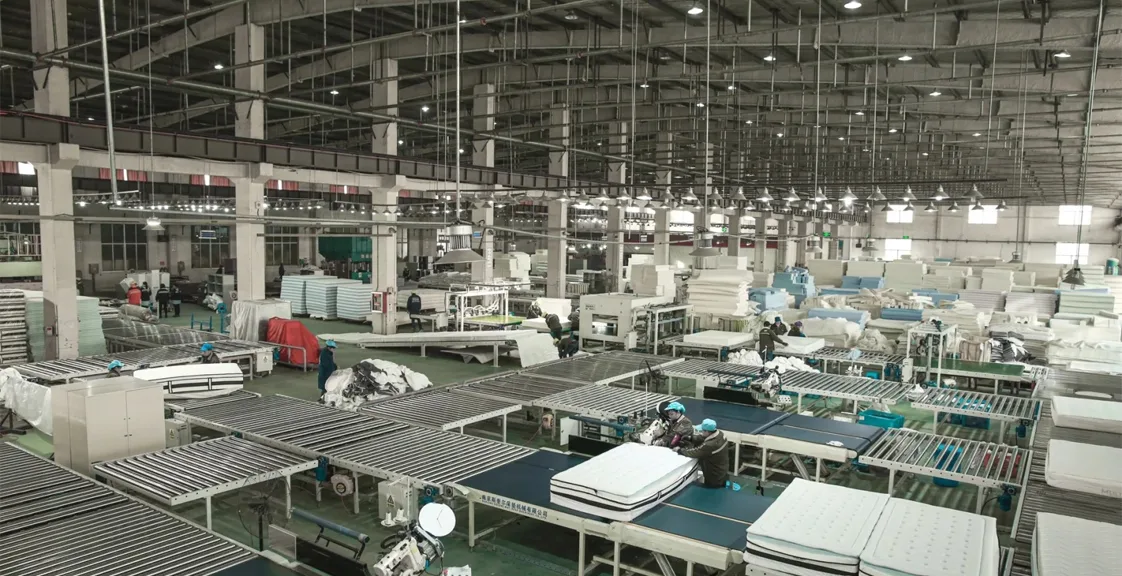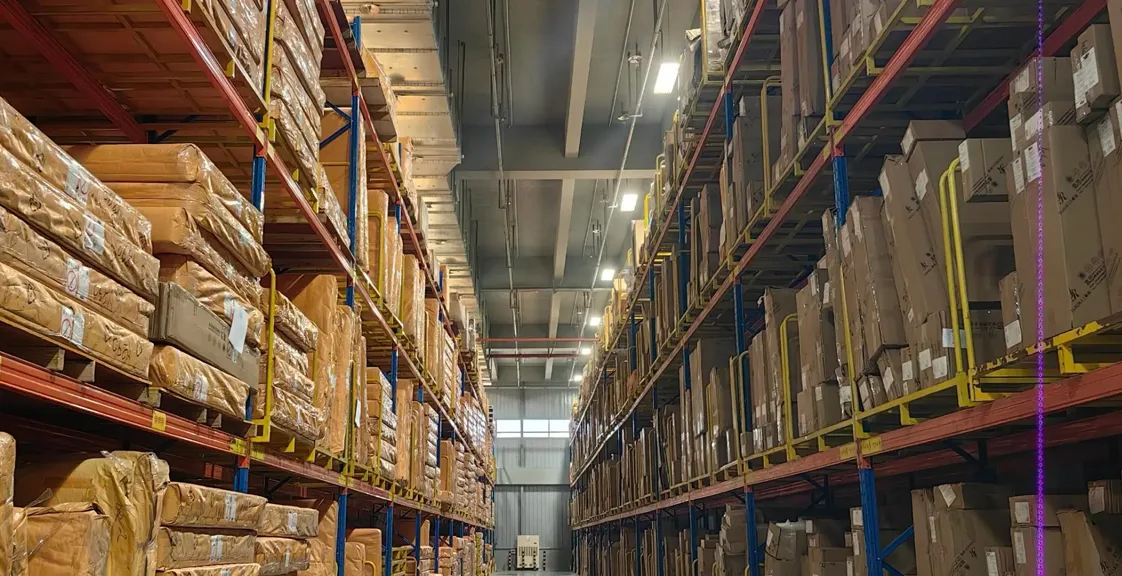
Shipping mattresses may look simple, but in real-world logistics, it is one of the most complaint-prone products to transport. Due to their size, weight, and compressible structure, mattresses are vulnerable to damage, delays, and costly returns if shipping details are overlooked.
This guide breaks down the most common mattress shipping problems, why they happen, and how to prevent them in everyday business and consumer scenarios.
1. Packaging Damage During Transit
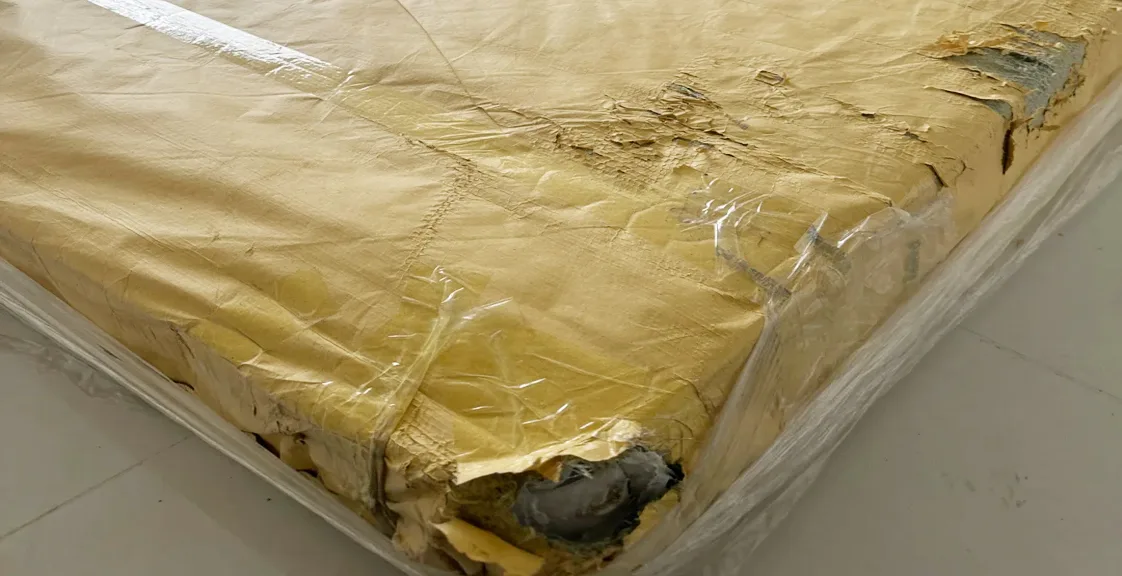
One of the most frequent issues is torn packaging, leading to dirty, deformed, or rejected mattresses.
Common causes:
Thin plastic or low-quality outer bags
Sharp edges during loading and unloading
Overstacking in trucks or containers
Prevention & Solution
Use multi-layer protective packaging
Reinforce corners and seams
Avoid stacking compressed mattresses beyond recommended limits
In real-life scenarios, even small tears can cause customers to refuse delivery, especially for hotel or rental use.
2. Compression Failure or Poor Shape Recovery
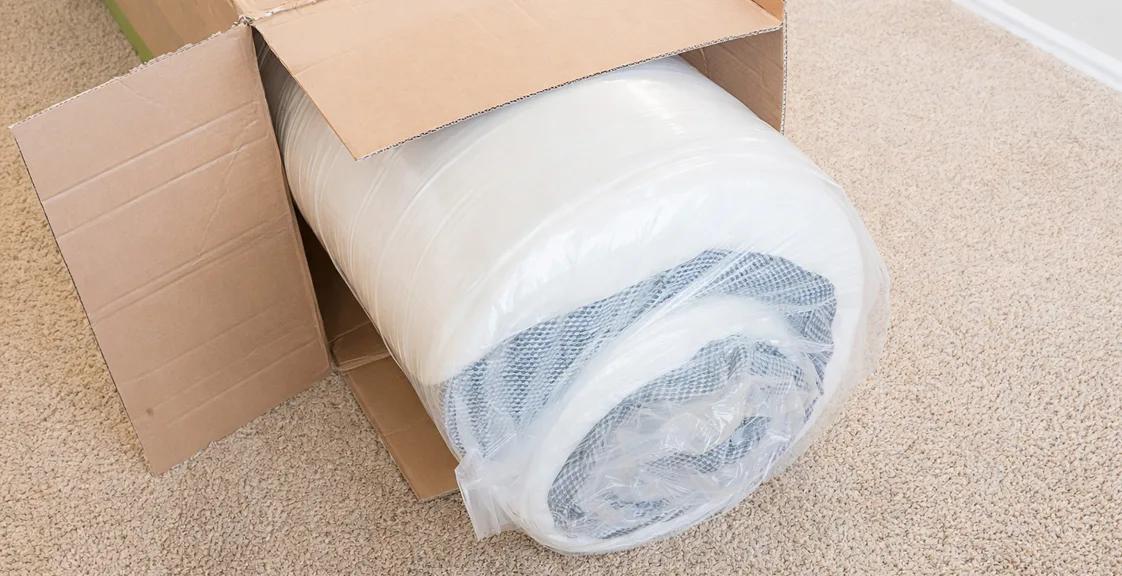
Compressed and roll-packed mattresses save space, but improper compression can permanently damage the mattress core.
Common causes:
Over-compression time
Low-quality foam or spring systems
Exceeding recommended storage duration
Prevention & Solution
Confirm maximum compression time with the manufacturer
Use materials designed for roll-pack shipping
Clearly label unpacking and recovery instructions
In everyday use, slow or incomplete recovery often leads customers to believe the mattress is defective—even when it is not.
3. Moisture and Mold Issues
Mattresses are highly sensitive to moisture, especially during sea freight or long-term storage.
Common causes:
High humidity in containers
No moisture barrier in packaging
Storage in non-ventilated warehouses
Prevention & Solution
Add moisture-resistant inner layers
Use desiccants for container shipping
Store mattresses off the ground in dry, ventilated areas
In real logistics cases, mold damage usually appears after arrival, making claims harder to resolve.
4. Size and Weight Handling Problems
Mattresses are bulky, awkward to move, and easily mishandled.
Common causes:
Incorrect labeling of size or weight
Manual handling without equipment
Narrow delivery paths in apartments or hotels
Prevention & Solution
Clearly mark dimensions and weight on packaging
Use roll-packed designs for last-mile delivery
Train handlers on proper lifting and stacking
In daily life, failed deliveries often happen not because of damage—but because the mattress simply cannot fit through doors or elevators.
5. Delivery Delays and Missed Schedules
Shipping delays can disrupt hotel openings, rental turnovers, and customer move-in dates.
Common causes:
Poor coordination between factory and carrier
Inaccurate lead time estimates
Peak season congestion
Prevention & Solution
Confirm realistic production and transit timelines
Build buffer time into project schedules
Use tracking and milestone updates for bulk orders
In practical terms, even a short delay can mean lost bookings or unhappy end users.
6. Customer Rejections and Returns
Many mattress shipping problems only surface at delivery.
Common reasons for rejection:
Visible packaging damage
Odors from sealed packaging
Confusion about unpacking or expansion time
Prevention & Solution
Improve packaging appearance and cleanlines
Allow materials to off-gas before sealing
Include clear unpacking and usage instructions
In real life, a well-made mattress can still be returned if the first impression is poor.
7. Incorrect Labeling & Documentation Errors
Labeling mistakes frequently cause delays, misrouting, or rejection—especially in bulk and cross-border shipments.
Common causes
-
Carton labels not matching packing lists
-
Missing size, weight, or compression status
-
Incorrect product description for customs or warehouses
Prevention & Solution
-
Standardize labels across all SKUs
-
Match carton, packing list, and invoice before dispatch
-
Clearly mark “compressed,” “roll-packed,” and handling warnings
8. Batch Inconsistency in Bulk Shipments
Inconsistent packaging or product appearance within the same order increases rejection risk for B2B buyers.
Common causes
-
Mixed packaging materials in one shipment
-
Inconsistent compression levels
-
Different appearance across production batches
Prevention & Solution
-
Use one packaging standard per order
-
Control compression parameters by batch
-
Perform visual checks before shipmen