Choosing a memory foam mattress can feel overwhelming, especially with dozens of models, densities, cooling technologies, and construction variations on the market. Whether you are a consumer upgrading your sleep quality or a retailer evaluating product categories, selecting the right memory foam mattress requires understanding foam density, mattress construction, cooling technology, firmness levels, certifications, and individual sleep needs.
This professional SEO guide breaks down the essential factors you must evaluate when choosing a memory foam mattress—and explains why each detail matters.
1. Evaluate Memory Foam Density (The Indicator of Quality)
Foam density is the most accurate predictor of a memory foam mattress’s support, durability, and performance. It indicates how much material is used per unit volume (kg/m³ or lb/ft³).
1.1 Density Chart for Buyers
| Density | Performance Level | Ideal Lifespan | Suitable For |
| <35 kg/m³ (2.0–2.2 lb/ft³) | Low-end | 3–5 years | Budget shoppers, guest rooms |
| 35–45 kg/m³ (2.2–2.8 lb/ft³) | Mid-range | 5–7 years | Average sleepers, side sleepers |
| 45–60 kg/m³ (2.8–3.5 lb/ft³) | High-quality | 7–10 years | Neck/back pain users, primary bed |
| >60 kg/m³ (3.5+ lb/ft³) | Premium | 10+ years | Luxury buyers, heavy users |
1.2 General rule for C-end consumers:
Higher density = more support, less sagging, better long-term comfort.
1.3 General rule for B-end buyers:
For mainstream retail markets, 45–55 kg/m³ is the best-selling range worldwide.
2. Choose the Right Type of Memory Foam (Material Matters)
Different types of memory foam perform differently in terms of cooling, contouring, and responsiveness.
2.1 Traditional Memory Foam
Deep contouring
Best for pressure relief
Can retain heat
Best for: side sleepers, users with joint pain.
2.2 Gel Memory Foam
Gel beads improve heat dissipation
Balanced firmness
Faster rebound
Best for: hot sleepers, warm climates.
2.3 Open-Cell Memory Foam
Enhanced ventilation
Softer and lighter
Good for combo sleepers
Best for: people sensitive to heat but needing softness.
2.4 Copper / Charcoal / Graphite Infused Foam
These functional foams add temperature regulation and hygiene benefits.
Copper: antimicrobial + cooling
Charcoal: odor control + humidity absorption
Graphite: high thermal conductivity
Best for: sweaty sleepers, humid environments, hygiene-conscious users.
2.5 Plant-Based Memory Foam
Uses vegetable oils
More breathable, lower VOC
Eco-friendly
Best for: sensitive users, chemical-sensitive buyers.
3. Understand Mattress Construction (Foam Layers & Support Core)
A good memory foam mattress is not just about the top layer—it’s a layered system.
3.1 Typical High-Quality Construction
Comfort Layer: gel or open-cell memory foam
Transition Layer: polyfoam or latex blend
Support Core: high-density base foam (28–35 kg/m³)
Cover: breathable knit, bamboo, Tencel, or ice-cooling fabric
3.2 Why it matters
Poor construction leads to early sagging
Missing transition layers cause “bottoming out”
Low-quality cores reduce lifespan significantly
4. Cooling Performance: Critical for Modern Consumers
Memory foam naturally traps heat, so cooling solutions are essential.
4.1 Cooling Technologies to Look For
Gel infusion
Open-cell structure
Copper or graphite enhancement
Airflow channels (cutting technology)
Cooling knit cover (ice fabric)
Bamboo or Tencel cover
Data insight:
70% of online mattress buyers browse specifically for cooling mattresses—making cooling features a major selling point.
5. Select the Right Firmness Level Based on Sleep Position
Firmness determines comfort and spinal alignment.
5.1 Firmness Guide
| Sleep Position | Ideal Firmness | Recommended Foam Type |
| Side Sleepers | Soft–Medium (4–6/10) | Gel foam, traditional foam |
| Back Sleepers | Medium–Firm (6–7/10) | Latex-infused, hybrid |
| Stomach Sleepers | Firm (7–8/10) | High-density foam, hybrid |
| Combo Sleepers | Medium (5–6/10) | Open-cell, gel foam |
6. Check Certifications for Safety and Performance
High-quality memory foam should meet international safety standards.
CertiPUR-US® (low VOC, safe foam chemistry)
OEKO-TEX® Standard 100 (safe fabric and materials)
ISO 9001 manufacturing quality certifications
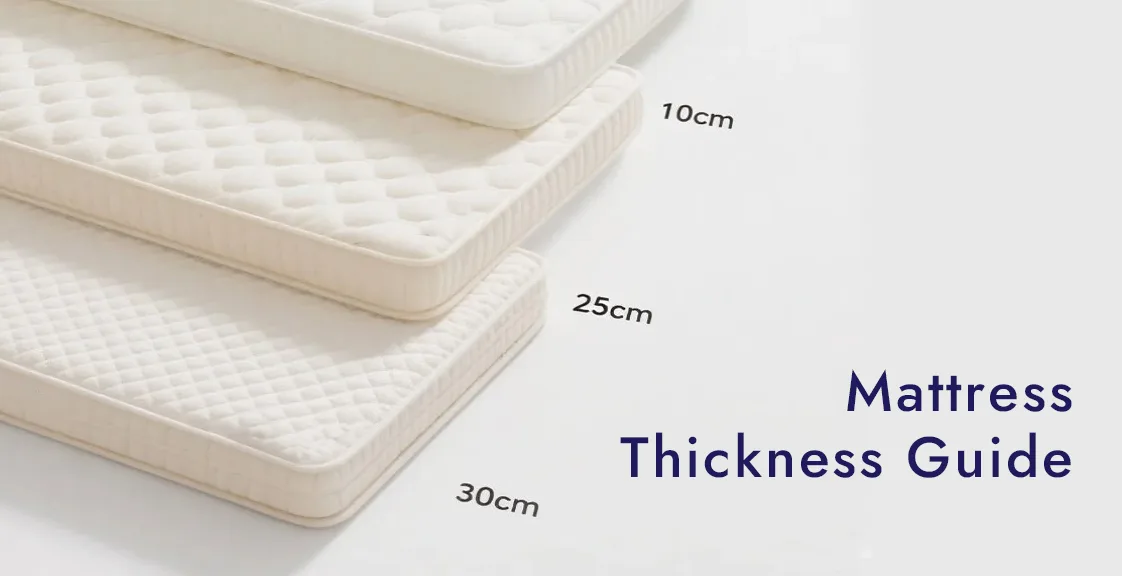
7. Choose the Right Mattress Thickness
Thickness impacts support and comfort—especially for heavier sleepers.
7.1 Thickness Guide
8–10 inches: budget, kids, guest rooms
10–12 inches: best for most adults
12–14 inches: premium comfort, heavy sleepers
14+ inches: luxury segment
8. Evaluate Your Body Weight & Ergonomic Needs
8.1 Lightweight Sleepers (<60 kg / <130 lb)
Softer foam works better
Avoid very firm mattresses
8.2 Average Sleepers (60–100 kg / 130–220 lb)
Medium–medium firm
Gel or open-cell foam ideal
8.3 Heavier Sleepers (>100 kg / >220 lb)
Choose high-density foam or hybrid
Avoid low-density foam—it sags faster

9. Consider Edge Support & Motion Isolation
Memory foam is naturally good at motion isolation but may lack edge support.
9.1 If you share a bed:
Look for higher-density support core
Or hybrid memory foam + pocket springs
9.2 If you sit on the bed edge:
Look for reinforced edges or hybrid structure
10. Compare Warranty, Trial Period, and Return Policy
A good mattress should include:
10-year warranty (industry standard)
100–365 nights trial (common in online brands)
Transparent return policy
These policies reflect manufacturer confidence in product durability.
11.Choosing the Right Memory Foam Mattress
To choose the best memory foam mattress, evaluate it from five professional pillars:
Foam Density: 45–55 kg/m³ for most buyers
Foam Type: choose cooling or infused foams based on needs
Construction Quality: layered support with a strong core
Firmness: match your sleep position
Cooling & Cover: essential for modern sleepers
Whether you’re a retailer building a strong product line or a consumer upgrading your sleep quality, a well-engineered memory foam mattress can deliver 7–10 years of comfortable, supportive sleep.
12. FAQ
Q:What is the most important factor when choosing a memory foam mattress?
A:Foam density is the strongest predictor of durability and support. Mattresses with 45–55 kg/m³ density offer the best long-term performance.
Q:Which type of memory foam is best for hot sleepers?
A:Gel-infused foam, open-cell foam, copper-infused foam, and graphite foam all provide superior cooling performance.
Q:What firmness level is best for side sleepers?
A:Side sleepers typically need a soft-to-medium firmness (4–6/10) to reduce pressure on shoulders and hips.
Q:Are hybrid memory foam mattresses better?
A:Hybrids last longer and provide stronger support thanks to pocketed coils. They are ideal for heavier sleepers and people needing good edge support.
Q:How thick should a memory foam mattress be?
A:Most adults prefer 10–12 inches for proper support and pressure relief. Thicker models (12–14 inches) suit heavier users or luxury buyers.
Q:Are memory foam mattresses safe?
A:Yes, as long as the foam is CertiPUR-US certified and fabrics meet OEKO-TEX standards, ensuring low VOC and safe chemical content.
Q:Why Choose MIJUE?
A:
1.Materials Advantage: We offer a wide selection of high-quality materials — including memory foam, latex, and cooling gel — to meet diverse market needs. With large-scale and stable production capacity, we ensure consistent quality and reliable supply for every mattress order.
2.Lowest MOQ: Our minimum order quantity (MOQ) starts from just 100 mattresses, giving our partners the flexibility to test markets, customize designs, and expand with confidence.
3.Trusted B2B Mattress Manufacturer : As a trusted B2B mattress manufacturer, MIJUE provides a full range of solutions — from hybrid, hotel and home mattresses to pocket spring and custom designs.
Explore our exclusive collection created for global partners, and let your imagination take flight.
At MIJUE, we offer expert guidance and collaborative support to bring your unique concepts to life, ensuring every mattress stands out in your market.