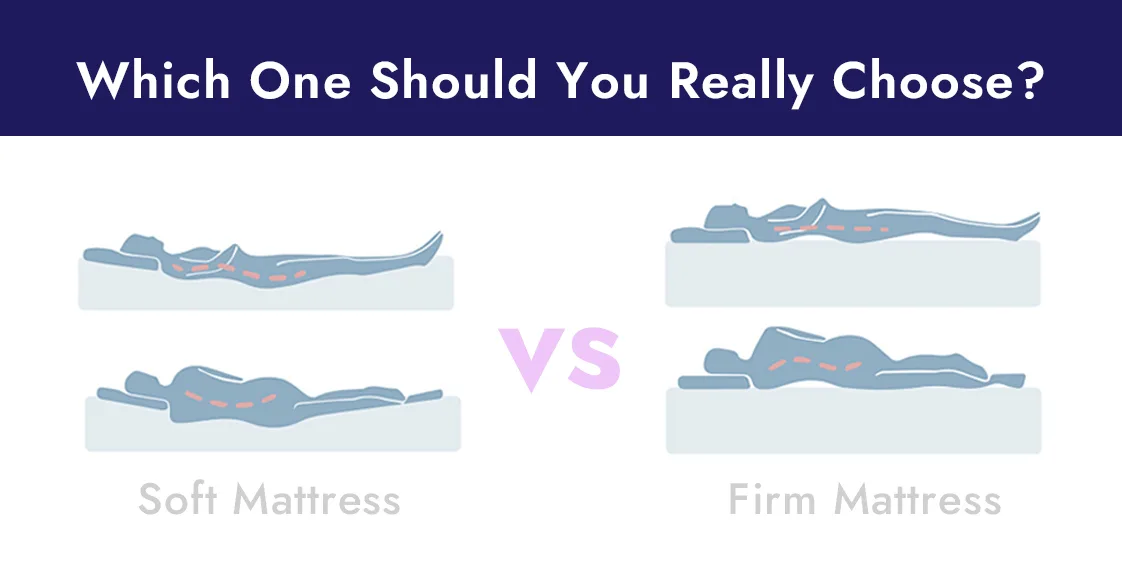
“Should I choose a firm mattress or a soft mattress?”
Many people believe:
Firm mattresses are always better for your back
Soft mattresses are more comfortable
Medium-firm works for everyon
Yet in real life, people often end up with:
Lower back pain after a few months
Shoulder or hip pressure
Poor sleep quality despite buying an “expensive” mattress
This article explains the real differences between firm and soft mattresses, based on sleep position, body weight, spinal alignment, pressure relief, and long-term use, so you can make a decision that actually improves your sleep.
1. What Does Mattress Firmness Really Mean?
Before comparing firm vs soft, it’s important to understand what mattress firmness actually refers to.
Firmness describes:
How much a mattress resists pressure
How deeply your body sinks into the mattress
It does not mean:
Mattress quality
Support level alone
Comfort preference for everyone
Most mattresses are rated on a firmness scale from 1 to 10:
1–3: Very soft
4–6: Medium to medium-firm
7–10: Firm to very firm
The same mattress can feel soft to one person and firm to another, depending on body weight and sleeping style.
2.What Is a Firm Mattress?
2.1 How a Firm Mattress Feels in Real Life
A firm mattress typically offers:
Minimal sink-in
Strong surface support
A feeling of sleeping “on” the mattress rather than “in” it
However, a good firm mattress is not rock-hard.
It still includes comfort layers to prevent pressure points.
Poor-quality firm mattresses often feel:
Flat
Rigid
Uncomfortable after long sleep hours
2.2 Who Benefits Most from a Firm Mattress
A firm mattress is usually suitable for:
Back sleepers
Stomach sleepers
People with higher body weight
Those who prefer strong lumbar support
For stomach sleepers in particular, a soft mattress can cause the hips to sink too deeply, forcing the spine into an unnatural curve.
2.3 Pros and Cons of Firm Mattresses
Pros:
Better spinal alignment for certain sleepers
Easier movement and repositioning
Often more durable over time
Cons:
Can cause pressure on shoulders and hips
Not ideal for side sleepers
May feel uncomfortable if too firm for body weight
3. What Is a Soft Mattress?
3.1 How a Soft Mattress Feels in Daily Use
A soft mattress provides:
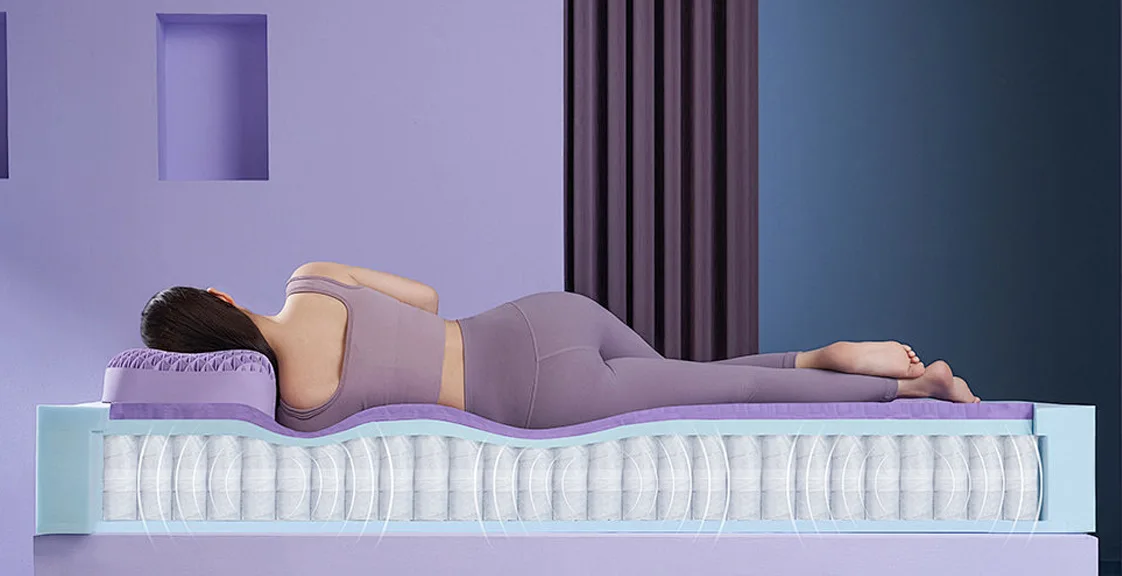
Deeper contouring
Pressure relief around shoulders and hips
A “hugging” or cradling sensation
Soft mattresses are often associated with comfort, but softness without support leads to problems.
A poorly designed soft mattress may cause:
Excessive sinking
Lower back strain
Difficulty changing positions
3.2 Who Should Choose a Soft Mattress
Soft mattresses are generally better for:
Side sleepers
Lightweight individuals
People with shoulder or hip pain
Side sleepers need extra cushioning at pressure points. A mattress that is too firm often leads to numb arms, shoulder pain, or restless sleep.
3.3 Pros and Cons of Soft Mattresses
Pros:
Excellent pressure relief
More comfortable for side sleepers
Reduces joint stress
Cons:
May lack support for heavier sleepers
Can trap heat if materials are poor
Shorter lifespan if support core is weak
4. Firm vs Soft Mattress: Direct Comparison
| Feature | Firm Mattress | Soft Mattress |
| Sink-in depth | Minimal | Deep |
| Pressure relief | Moderate | High |
| Spinal alignment | Strong for back/stomach sleepers | Depends on support design |
| Ease of movement | Easy | Slightly restricted |
| Ideal sleepers | Back, stomach, heavier sleepers | Side, lightweight sleepers |
| Long-term stability | Usually higher | Depends on quality |
5. Sleeping Position: The Most Important Factor
5.1 Back Sleepers
Back sleepers need:
Lumbar support
Even weight distribution
Too soft → hips sink
Too firm → pressure on lower back
Medium to medium-firm is usually ideal.
5.2 Side Sleepers
Side sleepers experience high pressure at:
Shoulders
Hips
Too firm → pain and numbness
Proper softness → pressure relief
Soft to medium mattress works best.
5.3 Stomach Sleepers
Stomach sleeping puts stress on the spine.
Soft mattresses cause:
Hip sink
Lower back arch
Firm or medium-firm mattresses are safer.
6. Body Weight Changes Everything
Two people can lie on the same mattress and feel completely different firmness.
| Body Weight | Recommended Firmness |
| Under 60 kg (132 lbs) | Soft – Medium |
| 60–90 kg (132–198 lbs) | Medium – Medium-firm |
| Over 90 kg (198 lbs) | Medium-firm – Firm |
Heavier sleepers compress materials more deeply, making soft mattresses feel too soft and unsupportive over time.
7. Common Myths About Firm vs Soft Mattresses
Myth 1: Firm Mattresses Are Always Better for Back Pain
False.
Back pain is caused by poor spinal alignment, not softness alone.
A mattress that is too firm can be just as harmful.
Myth 2: Soft Mattresses Are Bad for Your Spine
Also false.
A soft mattress with proper support can maintain spinal alignment while reducing pressure.
Myth 3: Medium-Firm Is Perfect for Everyone
Medium-firm works for many people—but not all.
Side sleepers and very lightweight individuals often need softer options.
8. How to Choose Mattress Firmness in Real Life
When choosing between firm and soft, ask yourself:
How do I usually sleep?
Where do I feel pain or pressure?
What is my body weight?
Do I sleep alone or with a partner?
How long do I plan to use this mattress?
These questions matter more than showroom labels.
9. Couples: What If Preferences Are Different?
This is very common.
Solutions include:
Medium firmness with pressure-relieving top layers
Zoned support mattresses
Split firmness designs