With the growing global focus on sleep health, demand for high-quality mattresses in the European market continues to rise. For Chinese manufacturers, successfully exporting to Europe is not only a business opportunity, but also requires a deep understanding of local market standards, regulatory requirements, and logistics practices. This article provides exporters with an authoritative guide from multiple perspectives, including size standards, certification requirements, packaging and logistics, and market strategies.
1. Overview of the European Mattress Market
The European mattress market is highly competitive, with quality, environmental friendliness, and comfort as its core advantages. According to market research data:
- Market size: The European mattress market is expected to exceed €9 billion in 2025, with a compound annual growth rate of approximately 4%–5%.
- Consumer trends: Consumers are paying more attention to memory foam, latex mattresses, and eco-friendly materials, with increasing demand for healthy sleep and ergonomic design.
- Market opportunities: Demand for customized mattresses for hotels, apartments, and high-end households is rising significantly.
For exporters, understanding these trends is essential for product positioning and marketing strategy. Mijue focuses on providing premium mattress solutions for global customers. Its product designs combine ergonomics with European market demands, helping businesses seize market opportunities.
2. European Mattress Size Standards
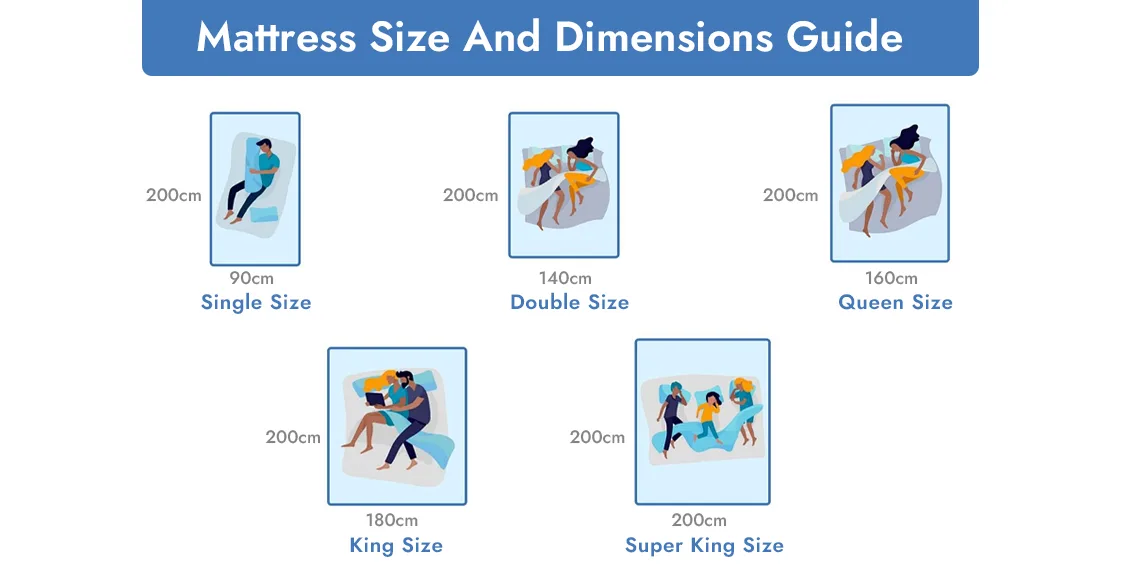
Size is the first threshold for entering the European market. Although standards may vary slightly by country, the following are the mainstream sizes:
| Size Category | Size (cm) | Applicable Scenarios |
|---|---|---|
| Single | 90 x 200 | Student dormitories, single bedrooms |
| Double | 140 x 200 | Small apartments, hotels |
| Queen | 160 x 200 | Standard double bedrooms |
| King | 180 x 200 | High-end family bedrooms |
| Super King | 200 x 200 | Luxury suites, high-end customization |
3. Key Certifications for the European Market
Mattresses exported to Europe must comply with strict regulations. The main certifications include:
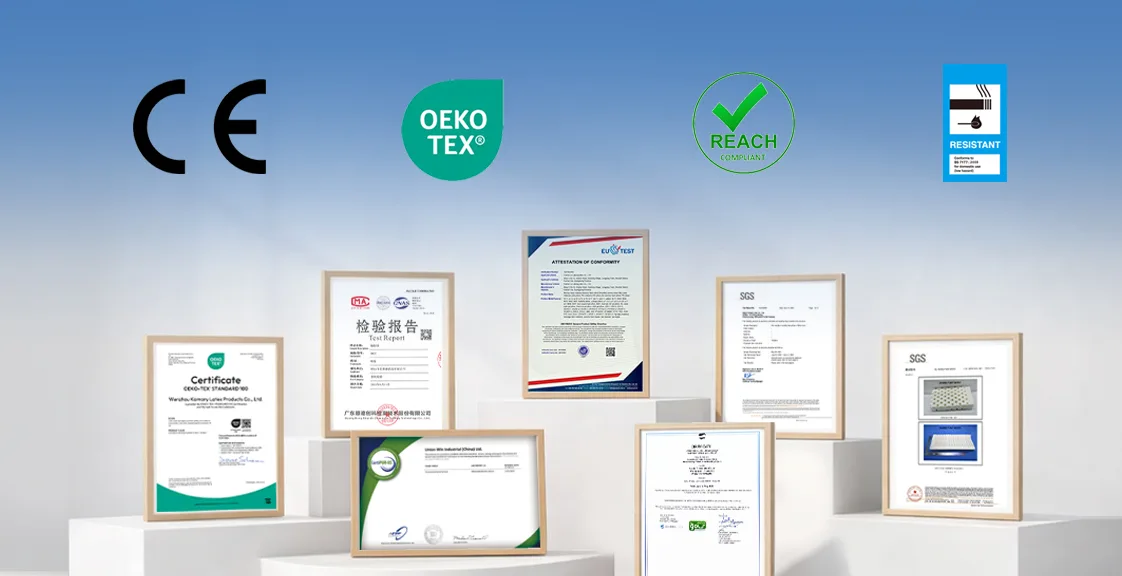
1. CE Certification
CE certification ensures that products comply with EU safety, mechanical, and chemical requirements. It is a basic requirement for entering the European market. CE certification covers the following aspects:
- Material safety
- Structural stability
- Fire resistance performance
2. REACH Certification
REACH, which stands for Registration, Evaluation, Authorisation and Restriction of Chemicals, aims to restrict the use of harmful chemical substances and ensure that mattresses are safe for consumer health.
3. Oeko-Tex Standard 100
This certification verifies that mattress fabrics and filling materials are free from harmful substances and safe for the human body, making them suitable for both infants and adults.
4. Fire Safety Certification
Some European countries have strict requirements for mattress fire resistance, such as the UK BS7177 standard and French NF standards. Mijue products can provide corresponding fire-resistance certifications according to the requirements of the target country.
Professional advice: Exporters should obtain detailed regulatory information for each target country in advance to ensure that mattress materials, fillings, and fabrics all comply with local market requirements.
4. Packaging and Logistics Strategies
Mattress packaging directly affects transportation safety, customer experience, and brand image. The main packaging requirements in the European market include:
1. Moisture and Dust Protection
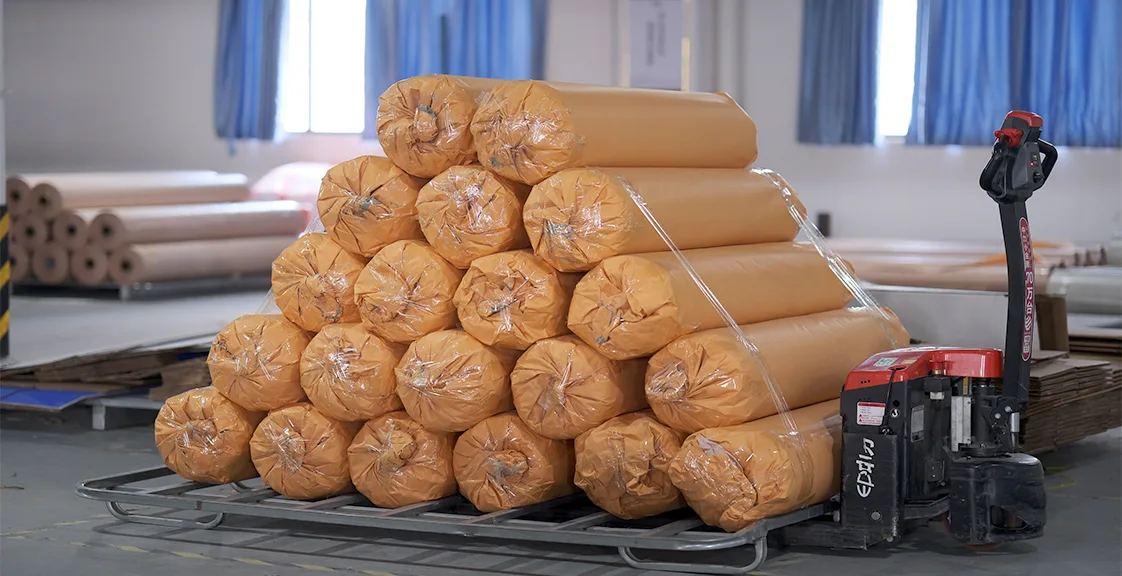
Use PE film, vacuum-compressed packaging, or eco-friendly plastic materials to ensure that mattresses are not damaged during transportation and storage.
2. Easy Handling and Transportation
Mattresses are usually large in size, so packaging should be designed for easy manual handling and logistics loading.
3. Clear Labeling
Packaging should clearly indicate the brand, size, materials, certification information, and user instructions.
4. Environmental Requirements
European consumers are highly receptive to eco-friendly packaging. Using recyclable cartons, environmentally friendly film, or biodegradable materials can enhance brand image.
Mijue combines protective and visually appealing packaging design to ensure that mattresses remain intact throughout transportation in Europe while enhancing brand recognition in the end market.
5. Professional Export Recommendations
1. Conduct In-Depth Research on Regulations and Standards
Understand EU-wide and country-specific standards to avoid returns or penalties caused by non-compliance.
2. Optimize the Logistics Chain
Work with logistics partners familiar with European transportation, and carefully consider sea freight, rail freight, air freight, and warehousing strategies.
3. Focus on Market Positioning
The high-end market emphasizes comfort and sustainability, while the mid-range market focuses on cost performance. Different product lines should be positioned precisely.
4. Build the Brand
Reflect brand value through packaging, certifications, materials, and service to enhance consumer trust.
5. Provide Customized Solutions
Support OEM/ODM production and adjust firmness, fabrics, and packaging design according to customer requirements.
6. Why Choose Mijue
- Professional manufacturing: Extensive export experience, with products meeting strict EU standards
- Diverse product range: Memory foam, latex, pocket spring mattresses, and more
- Customization services: Fully customizable sizes, firmness levels, fabrics, and packaging
- Complete certifications: CE, REACH, Oeko-Tex, and fire safety certifications
- Fast delivery: Samples can be shipped within 7–10 days, with efficient and reliable mass production
The European mattress market has enormous potential, but its standards are strict. Successful export requires scientific planning. By understanding size standards, certification requirements, and packaging regulations, and by choosing a reliable partner such as Mijue, exporters can reduce risks, enhance brand value, and achieve successful market expansion.