A memory foam pillow can be one of the best investments for your sleep — offering contouring support, pain relief, and luxurious comfort night after night. But over time, even the most premium pillow can accumulate sweat, oils, dust, and allergens. So naturally, you may wonder: can you wash a memory foam pillow?
The short answer is: you should not machine wash or fully submerge a solid memory foam pillow in water, as doing so can damage the foam’s structure. However, there are safe and effective ways to clean, deodorize, and maintain it — ensuring it stays fresh, hygienic, and long-lasting.
In this guide, we’ll walk through everything you need to know, from the right cleaning techniques to pro tips for care and maintenance.
1. Why You Shouldn’t Machine Wash a Memory Foam Pillow
Memory foam — whether solid or shredded — is made from viscoelastic polyurethane foam that responds to heat and pressure. While this material is excellent for ergonomic support, it’s not water-friendly.
Here’s why machine washing (or soaking) is risky:
Foam absorbs water easily, making it very difficult to dry completely. Trapped moisture can lead to mold and bacteria growth inside the pillow.
Agitation and spinning in a washing machine can tear, crumble, or deform the foam.
Heat exposure (from hot water or dryers) can cause the foam to lose its shape and supportive structure.
So, unless your pillow specifically says “machine washable” (some shredded or hybrid pillows do), it’s safest to hand-clean only the cover and surface.
2. Step-by-Step: How to Clean a Memory Foam Pillow Safely
Here’s a complete cleaning method that keeps your memory foam pillow fresh without damaging the material.
2.1 Remove and Wash the Cover
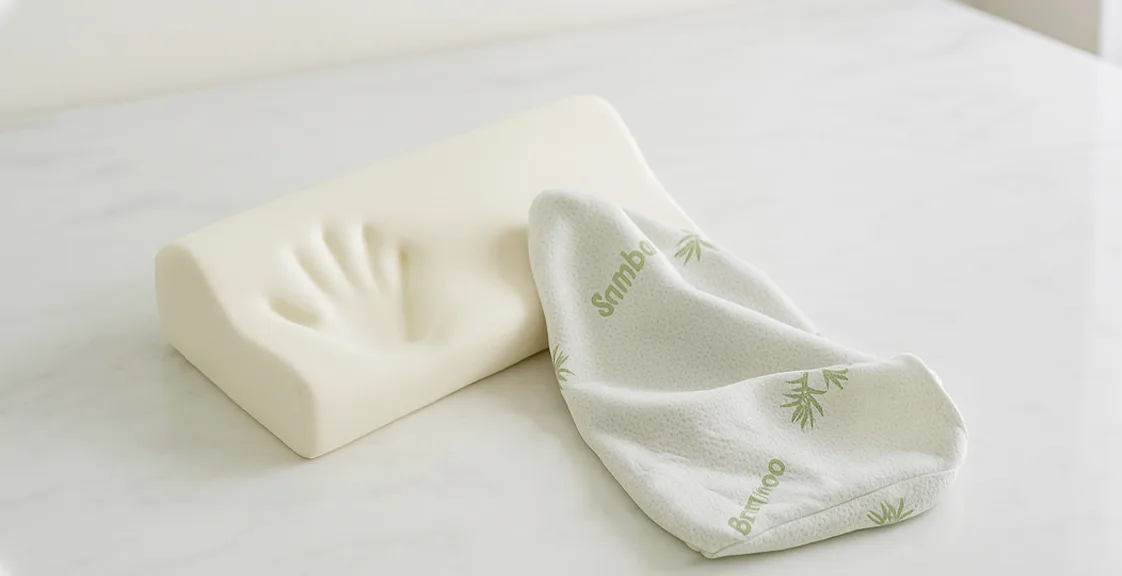
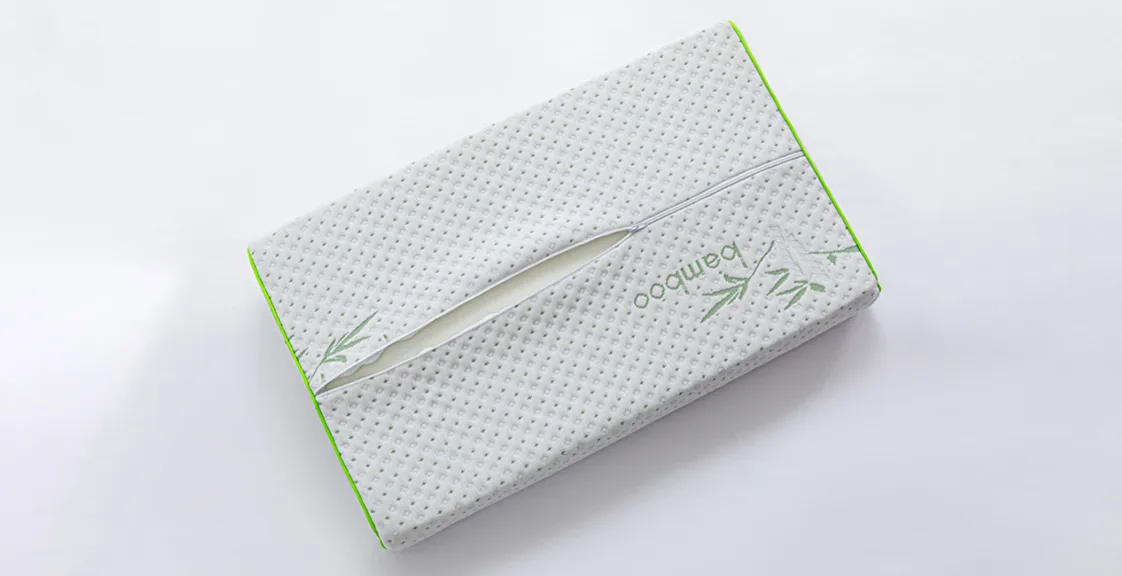
Most memory foam pillows come with a removable, zippered cover made from bamboo, cotton, or polyester.
Check the care label for washing instructions.
Machine wash the cover in cold water on a gentle cycle.
Air dry or tumble dry on low heat.
A clean cover already removes most surface oils, dust, and odors — so do this regularly (every 1–2 weeks).
2.2 Spot Clean the Foam Core
If you spill something or notice stains, follow these steps:
You’ll need:
Mild detergent or gentle fabric cleaner
Warm (not hot) water
A clean white cloth or sponge
Instructions:
Mix a few drops of detergent in a bowl of water.
Dip the cloth into the solution and dab (don’t scrub) the stained area.
Wipe gently until the stain lifts.
Use a clean, damp cloth to remove detergent residue.
Press a dry towel on the wet area to absorb excess moisture.
Let the pillow air dry completely before use — ideally for 24 hours.
2.3 Deodorize Naturally
To remove odors or refresh the pillow:
Sprinkle baking soda evenly over the surface.
Let it sit for 4–6 hours (or overnight).
Gently vacuum off the baking soda using a handheld or upholstery vacuum.
This simple trick absorbs oils and neutralizes smells — ideal for seasonal refreshes.
3. Drying Your Pillow the Right Way
After spot cleaning or deodorizing, air drying is essential. Memory foam must dry completely to avoid mildew.
3.1 Do this:
Place it in a well-ventilated, sunny spot (but not direct intense sunlight).
Flip it every few hours.
Use a fan to improve air circulation.
3.2 Avoid:
Clothes dryers (they can melt or warp the foam).
Heaters or hair dryers directly on the pillow.
Putting the pillow back on the bed before it’s fully dry.
4. How to Deep Clean (Occasionally)
While regular spot cleaning and cover washing are enough for most cases, you can occasionally deep clean your memory foam pillow — very carefully.
Here’s how:
Fill a large basin with lukewarm water and a small amount of gentle detergent.
Submerge the pillow just enough to press and release it — letting water flow through gently (no wringing).
Drain and rinse with clean water.
Gently press (not twist) out excess water using towels.
Air dry completely — this can take 1–2 days depending on foam thickness.
Only deep clean if the pillow is heavily soiled or has a strong odor that spot cleaning can’t fix — and never do it frequently.
5. How Often Should You Clean a Memory Foam Pillow?
To keep your pillow hygienic and extend its lifespan, follow this maintenance schedule:
| Cleaning Task | Frequency |
| Wash pillow cover | Every 1–2 weeks |
| Spot clean foam surface | As needed (every 2–3 months) |
| Deodorize with baking soda | Every 2 months |
| Deep clean (if necessary) | Once or twice a year |
Regular care not only keeps your pillow fresh but also helps maintain its supportive properties over time.
6. Tips to Keep Your Memory Foam Pillow Fresh Longer
Use a pillow protector — it adds a washable barrier against sweat and oils.
● Keep pets away — pet hair and dander can accumulate in the fabric.
● Let it breathe — occasionally air out your pillow on a dry, sunny day.
● Rotate and fluff (for shredded foam types) — helps maintain even loft and prevent clumping.
● Avoid moisture — don’t sleep with wet hair or place near humidifiers.
7. FAQ
Q:Why Choose MIJUE?
A:
1.Materials Advantage: We offer a wide selection of high-quality materials — including memory foam, latex, and cooling gel — to meet diverse market needs. With large-scale and stable production capacity, we ensure consistent quality and reliable supply for every pillow order.
2.Lowest MOQ: Our minimum order quantity (MOQ) starts from just 100 pillows, giving our partners the flexibility to test markets, customize designs, and expand with confidence.
3.Trusted B2B Pillow Manufacturer : MIJUE provides a full range of tailored solutions — from shape and material to softness, firmness, and cover design.
With nine years of professional experience in pillow manufacturing, we bring deep craftsmanship and comfort expertise into every mattress we create.
Explore our exclusive collection designed for global partners, and let your imagination take flight.
At MIJUE, we offer expert guidance and collaborative support to bring your unique concepts to life — ensuring every product stands out in your market.
Q: Can you assist with market recommendations or new product development?
A: Yes. Our R&D and sales teams work closely with clients to analyze regional trends and develop products tailored to their local market preferences and business goals.
Q:What certifications do your products have?
A:Our products are certified by SGS, CE, and OEKO-Tex, meeting international standards for safety, environmental protection, and quality.