As competition in the mattress market becomes more intense, an increasing number of distributors, retailers, cross-border sellers, and hotel buyers are focusing on private label mattress brands. The reason is simple: compared to selling existing brands, private labels offer easier differentiation and the potential for higher profit margins.
However, building a successful private label mattress brand involves more than just “finding a factory to produce the product.” It’s about finding the right OEM manufacturer and aligning the product, packaging, positioning, and supply chain.
This article explains how to systematically build your own mattress brand from a practical perspective.
1. Clarify Your Brand Positioning First
The first step in creating a private label mattress brand is not to focus on price but to think clearly about who you are selling to.
Different customers have very different requirements for mattresses:
- The retail market values comfort, appearance, and cost-performance ratio.
- Hotel projects prioritize durability, uniform sleep feel, and stable delivery.
- Distributors focus on product range, profit margins, and restocking efficiency.
Before developing the product, it’s advisable to clarify these questions:
- What country or channel is your target market?
- Will your main products be spring mattresses, memory foam mattresses, or hybrid mattresses?
- What are the key selling points of your brand, such as cooling, pressure relief, hotel comfort, or affordable luxury?
- What is your target price range?
The clearer your positioning, the more efficient the factory selection and sample creation process will be.
2. Choosing the Right OEM Manufacturer is More Important than Just Finding a Low-Cost Factory
A successful private label mattress brand is always backed by a stable manufacturing system. When selecting an OEM manufacturer, it’s important to look beyond price and evaluate whether they can truly support the brand’s growth.
Focus on four key areas:
- Product Development Capability
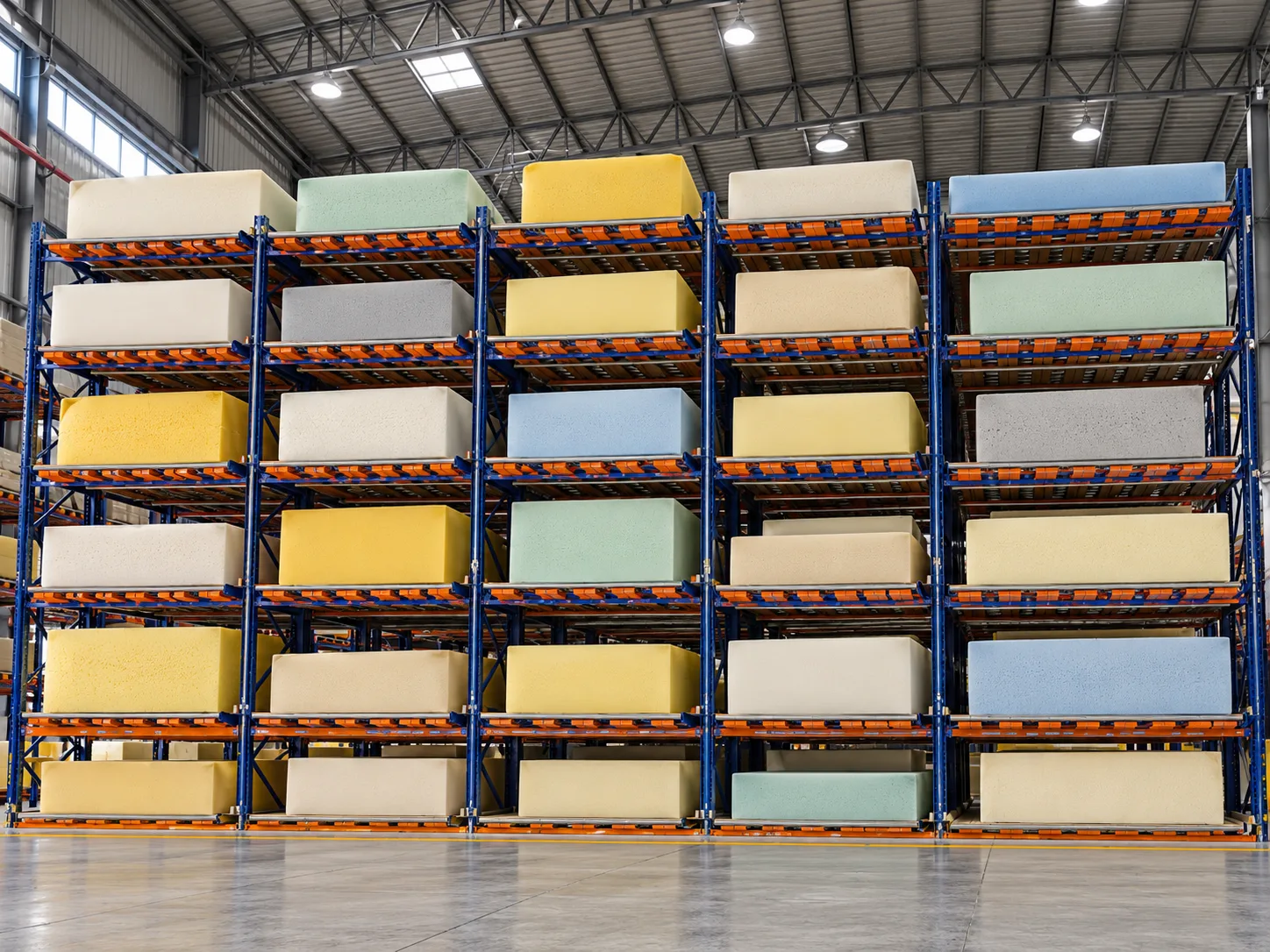
A good factory doesn’t just produce products but also provides recommendations for structure, materials, and cost combinations based on market needs. For example, different markets may prefer different combinations, such as pocket springs, gel memory foam, latex, or TPE, which directly impact the product’s selling points and pricing. - Customization Capability
The essence of a private label is “brand exclusivity.” A qualified OEM factory should support:- Custom sizes and thicknesses
- Adjusting firmness
- Fabric and quilting design
- Label, logo, and outer box customization
- Adjusting packaging methods
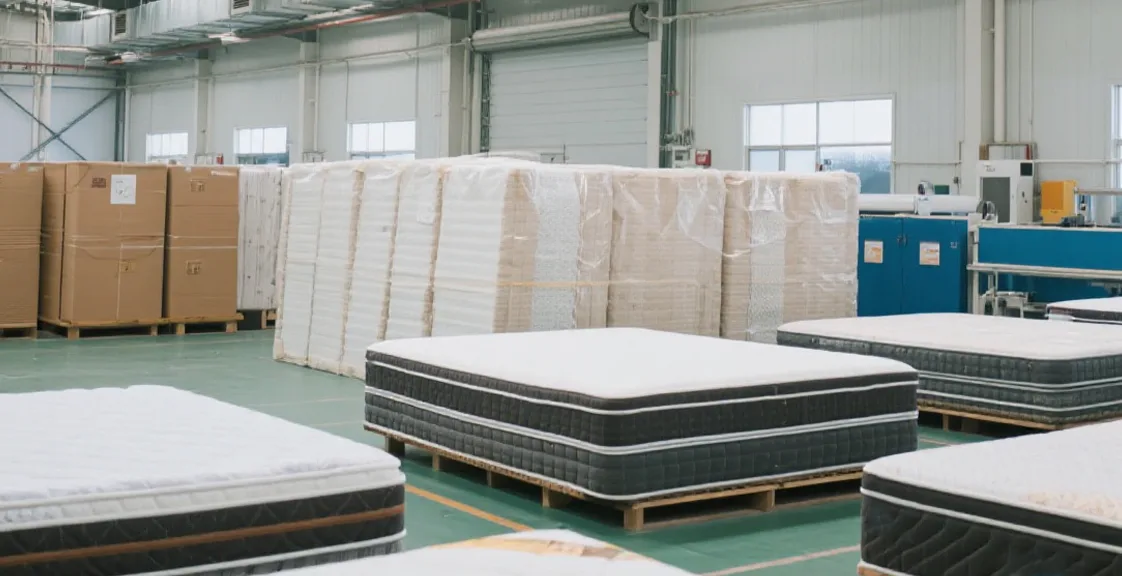
- Production and Delivery Stability
The biggest concern in the early stages of a brand is not a lack of orders but an inability to deliver stable products once orders arrive. Sample efficiency, mass production cycles, quality consistency, and reorder capacity are all more important than a single quote. - Export and Compliance Support
If you are entering international markets, the factory’s familiarity with certifications, packaging, shipping, and export requirements will directly affect the efficiency of your brand launch. 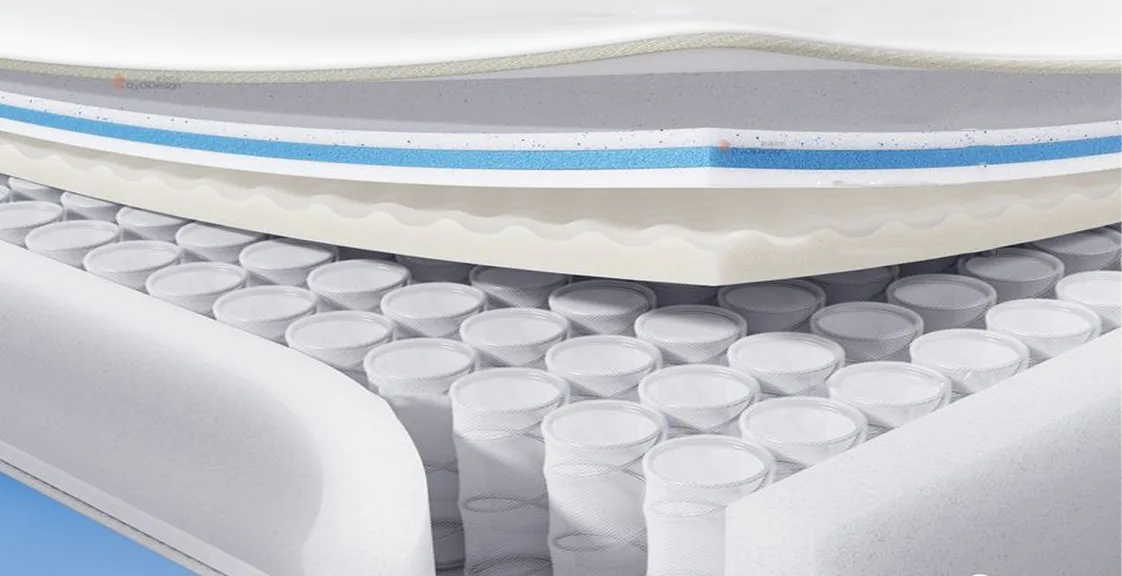
3. Plan Your Product Line Before Deciding on the Best-Selling Item
Many new private label mattress customers initially want to create a “bestseller.” While this approach is not wrong, a more prudent method is to first develop a basic product framework.
The most common strategy is to divide the line into three categories:
- Entry-Level Products: Focused on price competitiveness, suitable for bulk sales or channel distribution.
- Best-Sellers: These are the core products of the brand. For example, a hybrid mattress combining pocket springs and memory foam, offering both comfort and support, typically has broader market appeal.
- Flagship Products: High-end models designed to elevate the brand’s image and profit margins.
Looking at your product pages, you already have a range of hybrid mattresses with varying heights and selling points, which is a great reference for private label customers. A successful brand usually relies not on a single model but on a well-rounded product line.
4. Define the Mattress Structure and Key Selling Points
The structure of the mattress determines whether your private label mattress brand will be successful. When communicating with the OEM factory, focus on confirming the following:
-
Product Types: Common options include:
- Spring Mattress
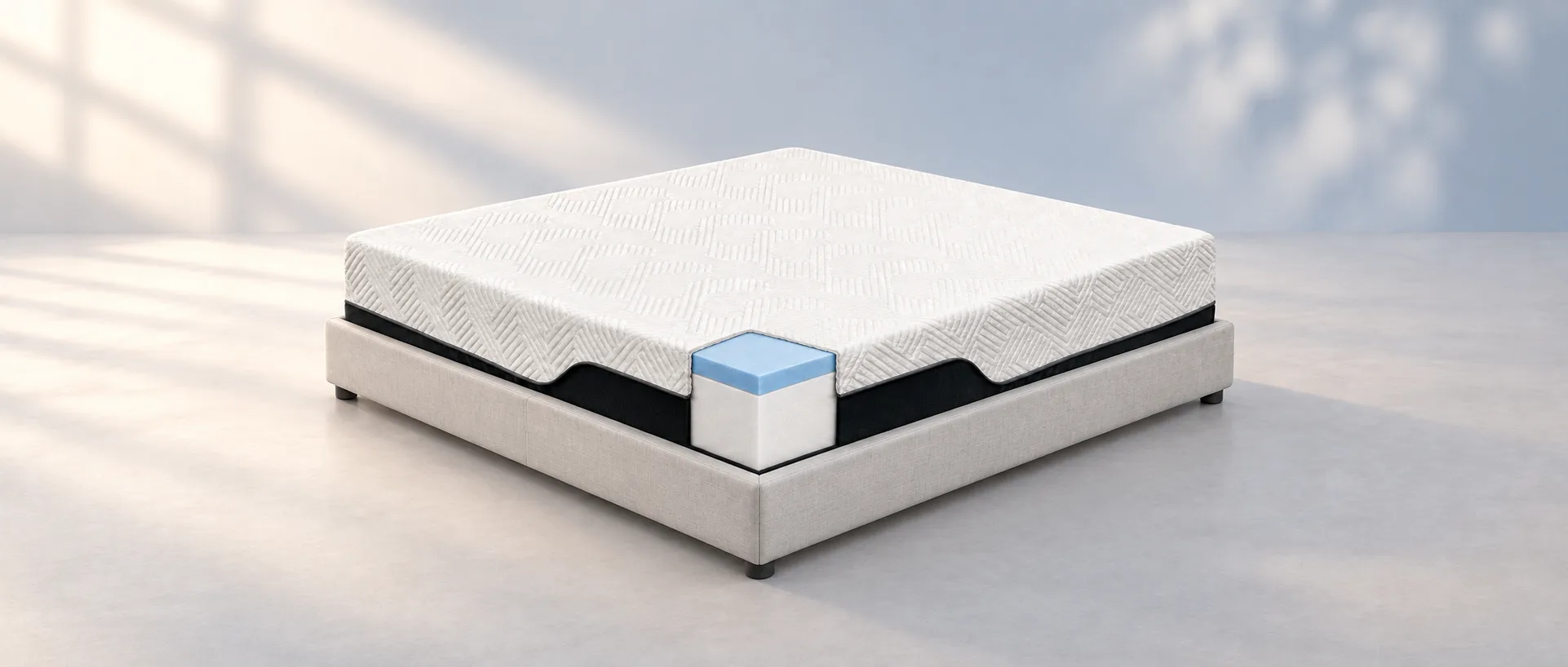
- Memory Foam Mattress
- Hybrid Mattress
Hybrid mattresses are often more marketable for mid- to high-end retail markets.
- Comfort and Support: Different markets have varying preferences for softness or firmness, which can be adjusted through spring systems, foam density, and comfort layer thickness.
- Height and Appearance: Mattress height not only affects comfort but also influences consumers’ perception of the product’s value. Heights like 26cm, 33cm, or 35cm are suitable for product segmentation.
-
Promotable Selling Points: A good private label mattress brand must have clear, communicable selling points, such as:
- Cooling comfort
- Pressure relief
- Breathable fabric
- Ergonomic support
- Natural latex
These selling points are easy to highlight on product pages and facilitate channel promotion.
5. Complete Your Brand Elements
Private labels are not just about adding a logo. A truly premium brand builds a comprehensive visual and packaging system.
Typical elements include:
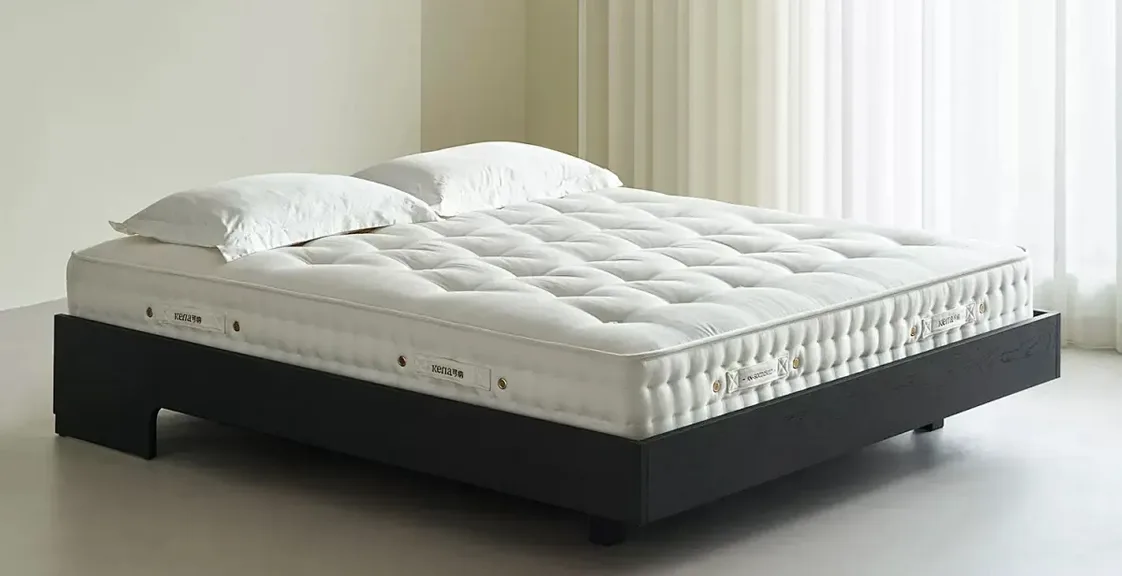
- Mattress labels and care tags
- Embroidered or woven logos
- Outer box printing
- Hang tags and instruction cards
- Product naming system
- Packaging plan
6. Confirm MOQ, Lead Time, and Reorder Mechanism
Building a private label mattress brand is not a one-off purchase but an ongoing operation. Therefore, before cooperating, make sure to clarify:
- What is the Minimum Order Quantity (MOQ)?
- Does the factory support mixed-product orders?
- What is the sample lead time?
- What is the lead time for bulk orders?
- Is production stable during peak seasons?
- Is it easy to reorder?
These questions directly impact your inventory and sales rhythm.
7. Why More Buyers Are Choosing an OEM Collaboration Model like MIJUE’s
- Product line includes spring mattresses, memory foam mattresses, hybrid mattresses, and pillows.
- Supports OEM/ODM customization.
- Offers customization across materials, fabrics, appearance, and logos.
- Has substantial production capacity and export experience.
- Suitable for serving retailers, distributors, hotels, and other customer types.
Conclusion
Building a successful private label mattress brand requires more than just finding a factory to apply a brand label. It involves aligning brand positioning, product development, packaging design, and supply chain management.
If you want to operate in the long term, not just engage in short-term transactions, choosing an OEM manufacturer with product development, customization capabilities, and stable delivery is more important than simply chasing low prices.
For buyers looking for collaboration, manufacturers like MIJUE, which have a solid foundation in mattresses and pillows, support OEM/ODM, and offer multi-dimensional customization services, are worth considering.