For distributors, hotel procurement teams, cross-border sellers, and importers, mattress sourcing is not just about purchasing products—it is a systematic process involving cost control, profit margins, and supply chain stability.
Compared with purchasing standard finished mattresses, custom manufacturing can typically help B2B buyers achieve a 15%–25% reduction in overall costs, while improving product competitiveness.
1. Eliminate Intermediaries and Reduce Unit Cost
Traditional sourcing channels often include:
- Trading company markups
- Brand premiums
- Channel margins
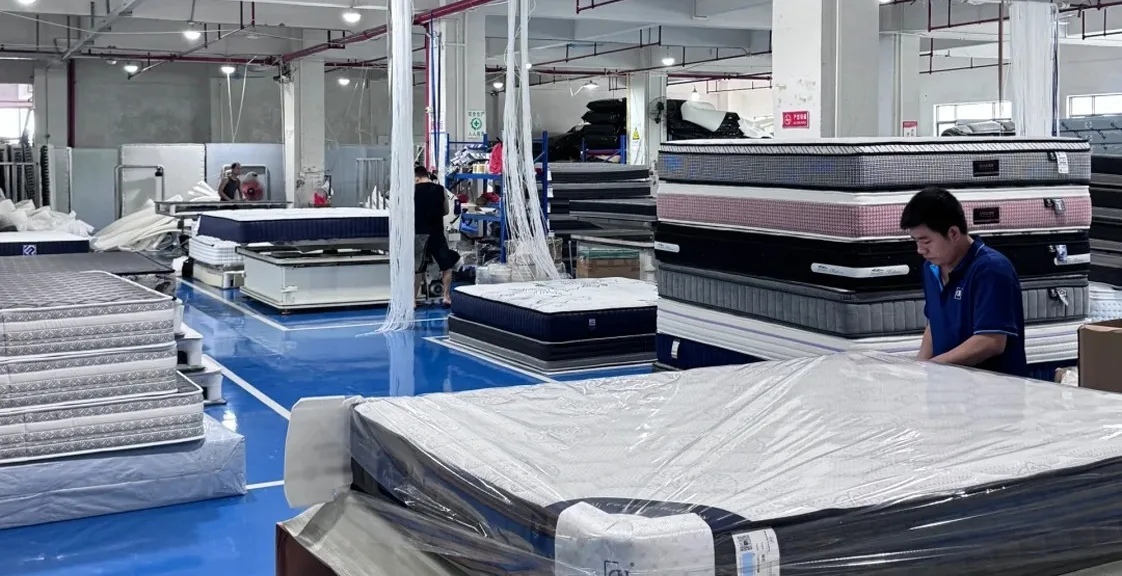
The essence of custom manufacturing is direct factory sourcing.
Results:
- Eliminate intermediary margins (10%–30%)
- Access true factory pricing
- Reduce costs without compromising quality
2. Customize Configurations to Match Market Needs
Standard mattresses are typically designed as general-purpose products, but market demands vary significantly.
In custom production, mattress cost is mainly determined by its structural configuration. The following elements can be adjusted according to target markets:
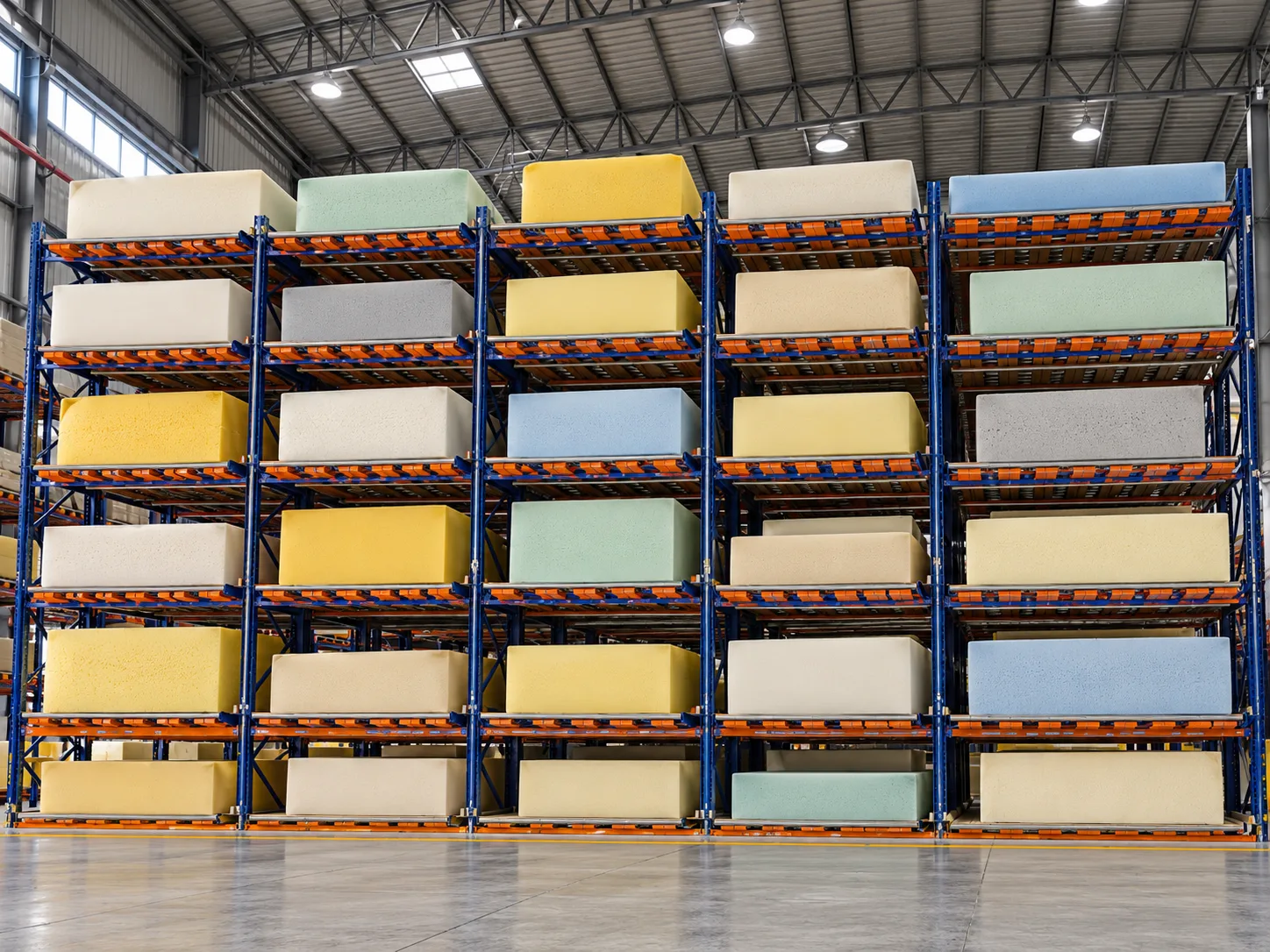
Foam System
- Density: 25D / 28D / 30D / 35D
- Types: High resilience foam / Memory foam
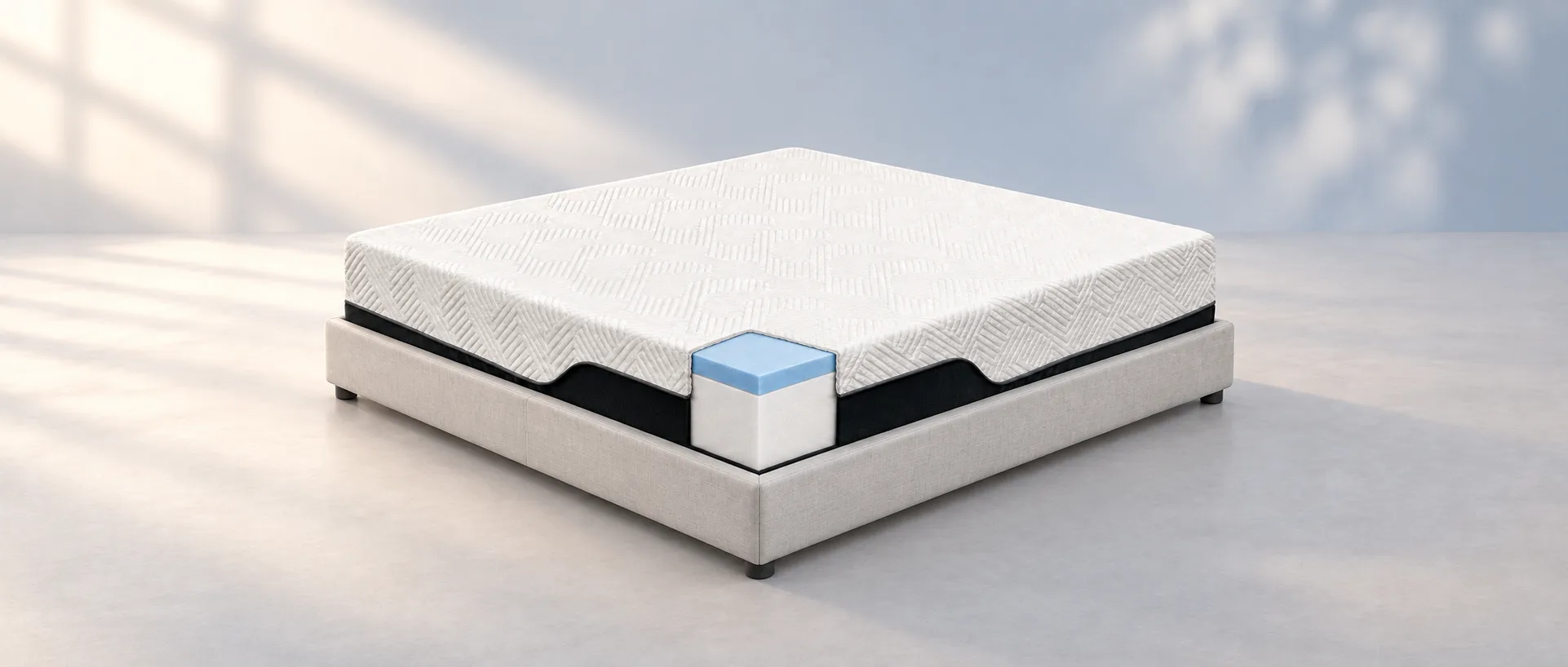
- Functional layers: Gel memory foam / Charcoal foam / Egg-crate foam
- Layer distribution: Comfort layer vs. support layer
Density directly affects cost and durability (each level increase raises cost by approximately 5%–10%)
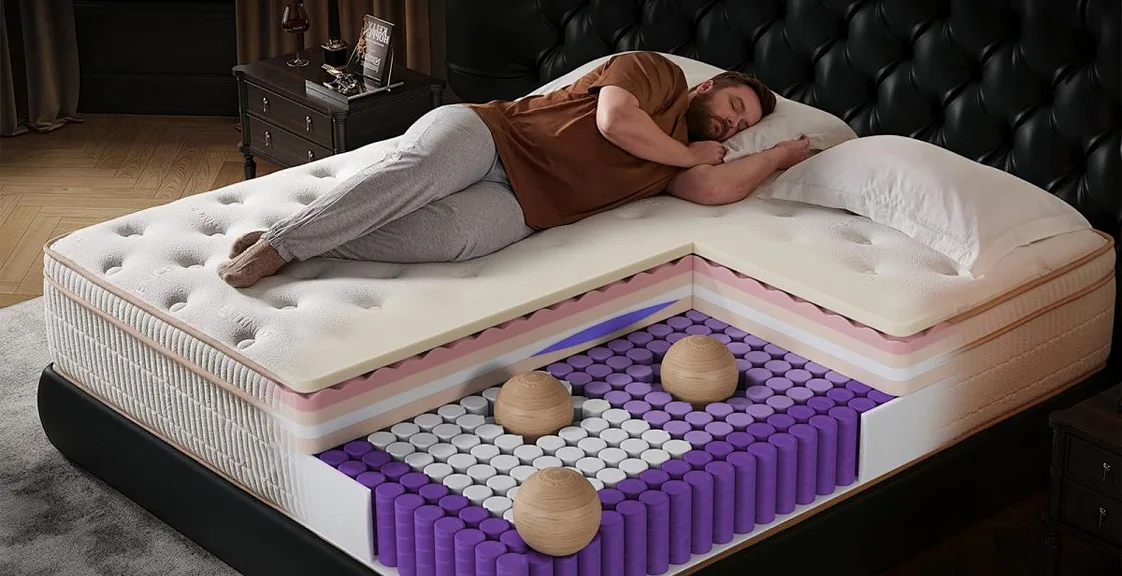
Spring System
- Types:
- Bonnell spring — low cost, suitable for entry-level markets
- Pocket spring — mainstream mid-to-high-end option
- Continuous coil — balanced cost and support
- Wire diameter: 2.0mm / 2.2mm / 2.4mm
- Coil count: 600 / 800 / 1000+ pcs
- Zoned support: 3-zone / 5-zone / 7-zone
Coil count and wire thickness directly impact support performance and material cost
Cover & Outer Structure
- Fabric types: Knitted fabric / Jacquard / Bamboo fiber
- Fabric weight: 250gsm / 300gsm / 400gsm
- Quilting styles: Standard quilting / Euro top / Pillow top
- Functional treatments: Anti-bacterial / Anti-mite / Flame retardant
Fabric cost can vary by over 20%, while strongly influencing first impression value

Mattress Structure
- Height: 6″ / 8″ / 10″ / 12″ / 14″
- Layer design: 2-layer / 3-layer / multi-layer structure
- Edge support: High-density foam encasement / reinforced springs
- Structure type: Double-sided / Single-sided
Thickness and structure directly affect material usage and shipping cost
Key Point
The goal is not higher specifications, but the right match for your target market
Examples:
- U.S. market: prefers hybrid mattresses with cooling features
- Southeast Asia: focuses more on breathability and lightweight designs
Accurate matching can reduce material costs by 10%–20%
3. Compression Packaging Significantly Reduces Shipping Costs
Many buyers underestimate the impact of logistics costs.
Custom manufacturers typically offer:
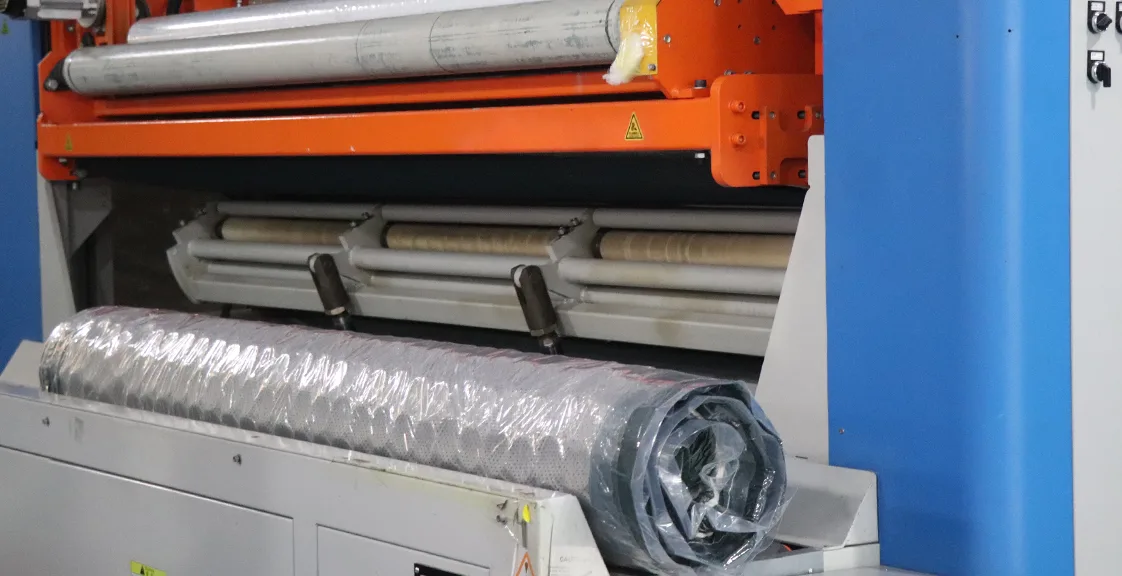
- Compression roll packing
- Vacuum packaging
- Carton size optimization
Results:
- Increase container loading by 50%–100%
- Significantly reduce per-unit shipping cost
Example:
- Flat packing: approx. 120 pcs per container
- Compressed packing: over 300 pcs per container
Direct reduction in per-unit transportation cost
4. Flexible MOQ Reduces Inventory and Cash Flow Pressure
Traditional supply models often involve:
- High MOQ
- Fixed product models
- No mixed orders
With MIJUE customization:
- Flexible MOQ based on configuration
- Mixed sizes in one order
- Production based on demand
Reduce inventory backlog
Lower cash flow pressure
5. Product Differentiation Avoids Price Competition
Selling standard mattresses means competing on price
Custom products allow you to control pricing power
Through customization, you can achieve:
- Exclusive structural designs
- Unique comfort levels
- Private brand labeling
Avoid price wars on e-commerce and retail channels
Increase product margins
6. Faster Product Iteration Reduces Trial-and-Error Costs
Experienced manufacturers can:
- Quickly adjust firmness levels
- Modify internal structures
- Develop new models within weeks
This enables you to:
- Test markets quickly
- Eliminate slow-moving products
- Scale successful products
Reduce long-term procurement risks
7. Factory Certifications Reduce Compliance Costs
For export markets, certifications are essential.
Qualified manufacturers typically provide:
- Foam safety certification
- Fabric environmental certification
No need for additional third-party testing
Save time and certification costs
8. Long-Term Cooperation Brings Stable Cost Advantages
Custom manufacturing is a long-term partnership, not a one-time transaction.
With stable orders:
- Better pricing tiers
- Priority production scheduling
- More stable raw material pricing
Helps mitigate fluctuations in foam and steel costs
Conclusion
For most B2B buyers, this is a key step in moving from price competition to profit control.
Choosing a stable and controllable supply chain partner will directly determine your product competitiveness and profit margins.
MIJUE specializes in custom mattress manufacturing and stable supply solutions, helping clients achieve full control over cost, quality, and profit.