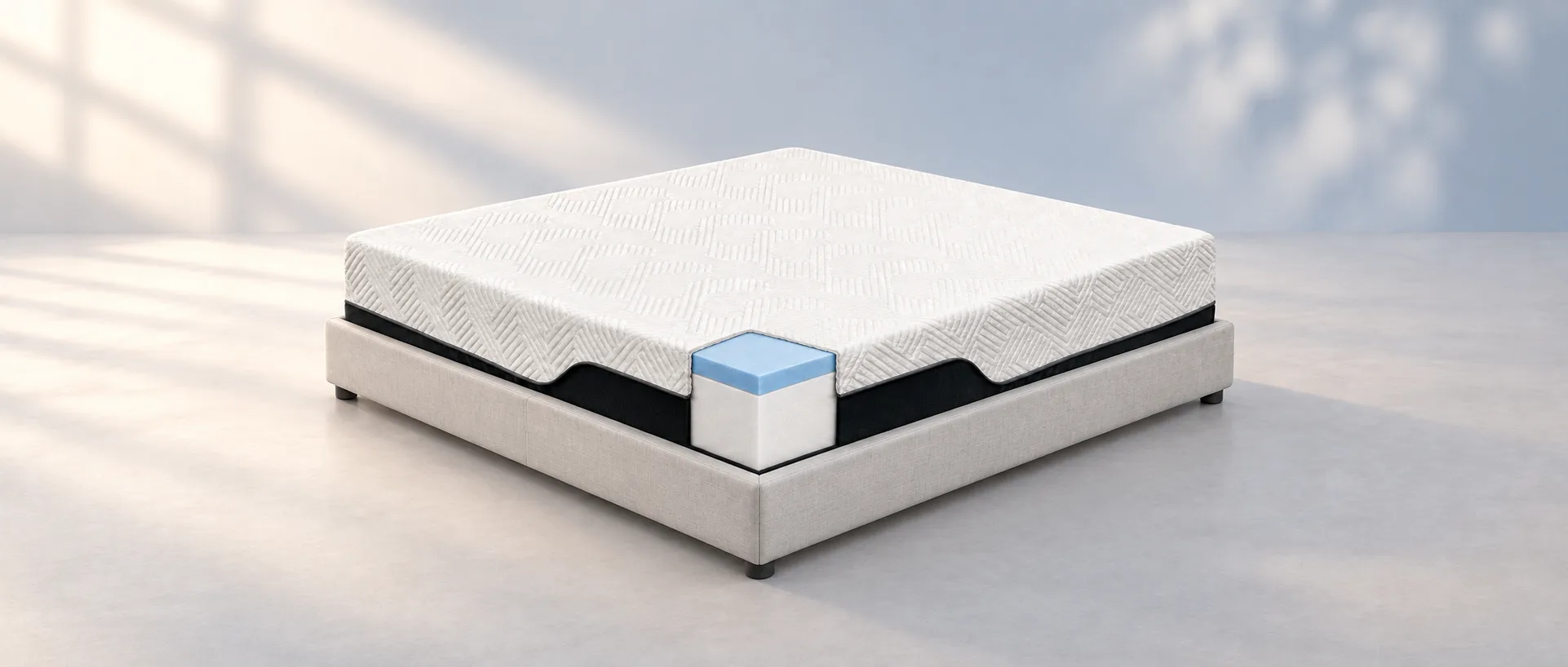
Hospitals operate in environments where hygiene, patient safety, and operational efficiency are non-negotiable. Unlike residential settings, healthcare facilities must comply with strict clinical standards while supporting patients who often remain in bed for extended periods. For these reasons, hospitals do not use regular mattresses designed for home use.
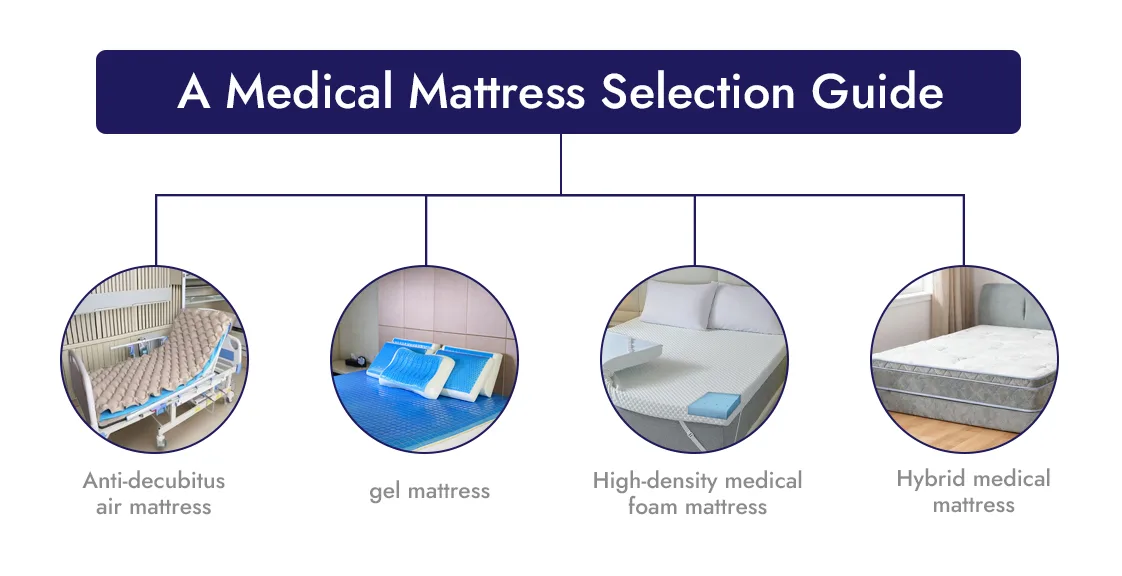
Instead, hospitals rely on medical mattresses specifically engineered to support infection control, pressure injury prevention, regulatory compliance, and long-term durability. This article explains why hospitals don’t use regular mattresses, outlines the key differences between medical and residential mattresses, and provides a practical medical mattress selection guide.
1. Why Regular Mattresses Are Not Suitable for Hospitals
1.1 Infection Control and Hygiene Standards
One of the primary reasons hospitals avoid regular mattresses is infection control. Residential mattresses are typically constructed with breathable fabrics and porous materials that absorb moisture, sweat, and bodily fluids. Once contaminated, these materials are difficult to disinfect thoroughly and may harbor bacteria or pathogens.
In contrast, hospital mattresses are designed to meet strict infection control requirements, featuring:
Waterproof mattress covers
Fluid-resistant medical fabrics
Seamless or welded surfaces
Compatibility with hospital-grade disinfectants
These features enable efficient cleaning between patients and significantly reduce the risk of cross-contamination.
1.2 Pressure Injury Prevention and Patient Safety
Hospital patients—especially post-operative, elderly, or immobile individuals—often remain in bed for extended periods. Regular mattresses are not designed for continuous pressure redistribution, leading to localized pressure buildup and increased risk of pressure injuries.
Medical mattresses are engineered to support:
Pressure relief
Even weight distribution
Pressure ulcer prevention
Use with alternating pressure mattresses and anti-decubitus mattress systems
Effective pressure management improves patient outcomes and reduces long-term treatment costs.
1.3 Durability for Continuous Clinical Use
Residential mattresses are designed for limited daily use, while hospitals require mattresses capable of withstanding:
24/7 continuous use
Frequent patient repositioning and transfers
Repeated cleaning and disinfection cycles
Medical foam mattresses and hospital air mattresses use high-density materials and reinforced structures to maintain performance over long service lifecycles.
2. Key Differences Between Medical and Regular Mattresses
| Feature | Medical Mattress | Regular Mattress |
| Hygiene | Waterproof & antimicrobial | Limited protection |
| Pressure relief | Designed for pressure injury prevention | Basic comfort |
| Cleaning | Hospital-grade disinfection | Household cleaning |
| Durability | High-frequency medical use | Residential use |
| Compliance | Healthcare standards & regulations | No medical standards |
3. Common Types of Medical Mattresses Used in Hospitals

3.1 High-Density Foam Medical Mattresses
Widely used in general wards and short-term care settings, high-density medical foam mattresses provide stable support and basic pressure redistribution.
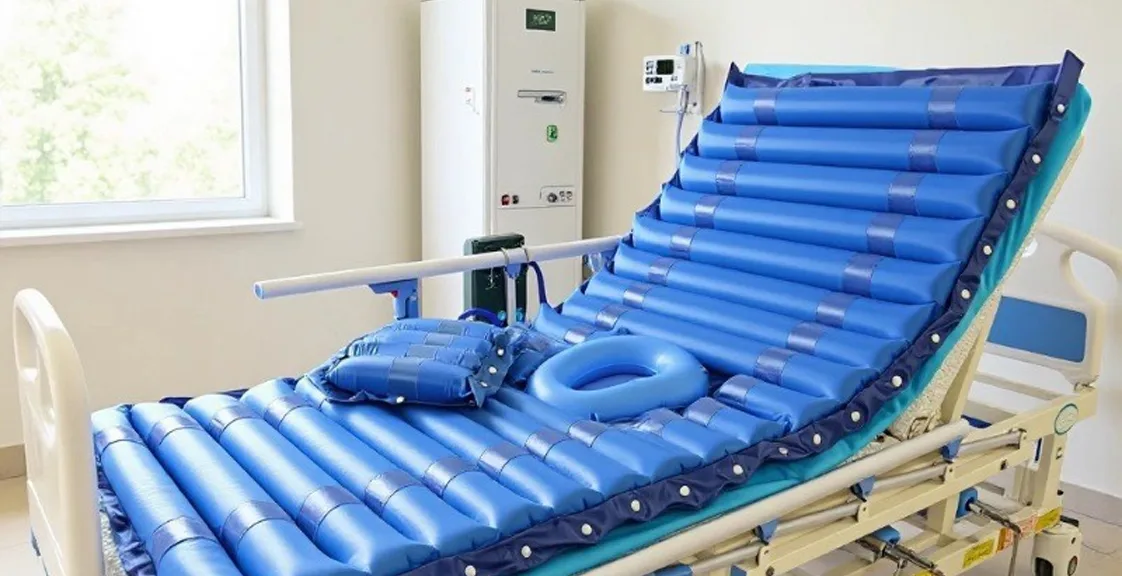
3.2 Alternating Pressure Mattresses
Alternating pressure mattresses dynamically change pressure points to reduce pressure injury risk for high-dependency patients.
3.3 Hybrid Medical Mattresses
Hybrid medical mattresses combine foam cores with air or pressure-relief zones, balancing comfort, pressure management, and durability.
4. Medical Mattress Selection Guide
4.1 Assess Patient Profiles and Clinical Needs
Hospitals should evaluate patient mobility, length of stay, and pressure injury risk to determine appropriate mattress types.
4.2 Ensure Compliance and Quality Standards
Medical mattresses should comply with regional healthcare regulations, safety standards, and institutional procurement requirements.
4.3 Total Cost of Ownership Considerations
Long-term durability, maintenance, and replacement frequency are more important than initial purchase price alone.
4.4 Medical Mattress Certifications and Compliance Requirements
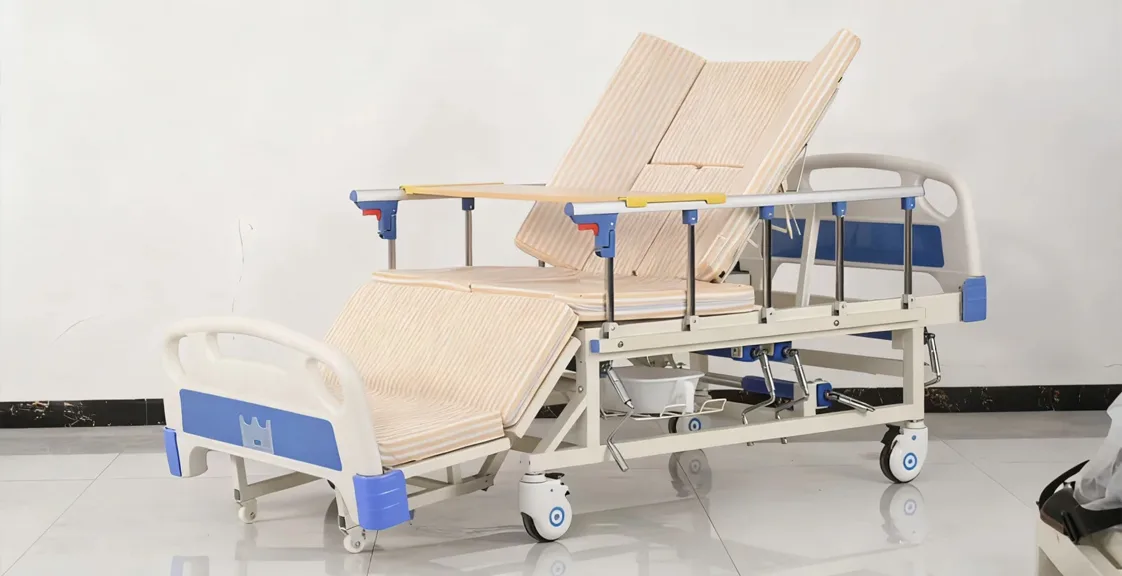 For hospitals, mattress selection is also a compliance and risk-management decision. Medical mattresses for hospitals should meet recognized certifications and standards, such as:
ISO 13485 (medical device quality management)
CE marking (EU medical compliance)
FDA registration (U.S. market, where applicable)
Fire safety standards (CFR 1632/1633, BS 7177, EN 597)
Biocompatibility and material safety standards (e.g. ISO 10993)
These certifications help ensure patient safety, simplify audits, and reduce procurement risks.
Conclusion
Medical mattresses are essential components of patient care and operational efficiency.
Next Steps for Buyers
When evaluating a medical mattress for hospitals, confirm three essentials:
suitability for patient risk level,
support for infection control and pressure ulcer prevention, and
verified certifications such as ISO 13485 and applicable regulatory approvals.
This ensures safer care, smoother audits, and lower long-term risk.