When shopping for a memory foam mattress, one of the most common questions consumers ask is:
What’s the difference between memory foam and gel memory foam?
Both materials are widely used in modern mattresses and are designed to improve comfort, pressure relief, and sleep quality. However, they perform differently in areas such as temperature regulation, firmness feel, and overall sleeping experience.
In this article, we’ll explore memory foam vs. gel memory foam, explain how each material works in a memory foam mattress, and help you determine which option is best for your sleep needs.
1. What Is Memory Foam?
Memory foam, also known as viscoelastic foam, was originally developed by NASA to improve seat cushioning and crash protection. Today, it is one of the most popular materials used in mattress manufacturing.
1.1 Key Characteristics of Memory Foam
● Conforms closely to the body’s shape
● Responds to body heat and pressure
● Provides excellent pressure relief
● Reduces motion transfer
● Creates a “hugging” or “cradling” sleep feel
A traditional memory foam mattress adapts to the sleeper’s body, distributing weight evenly and relieving pressure points at the shoulders, hips, and lower back.
1.2 Benefits of Memory Foam Mattresses
● Ideal for side sleepers
● Excellent spinal alignment
● Reduces joint and muscle pain
● Minimizes partner disturbance
● Suitable for people with back or neck issues
However, traditional memory foam also has a well-known drawback: heat retention.
2.What Is Gel Memory Foam?
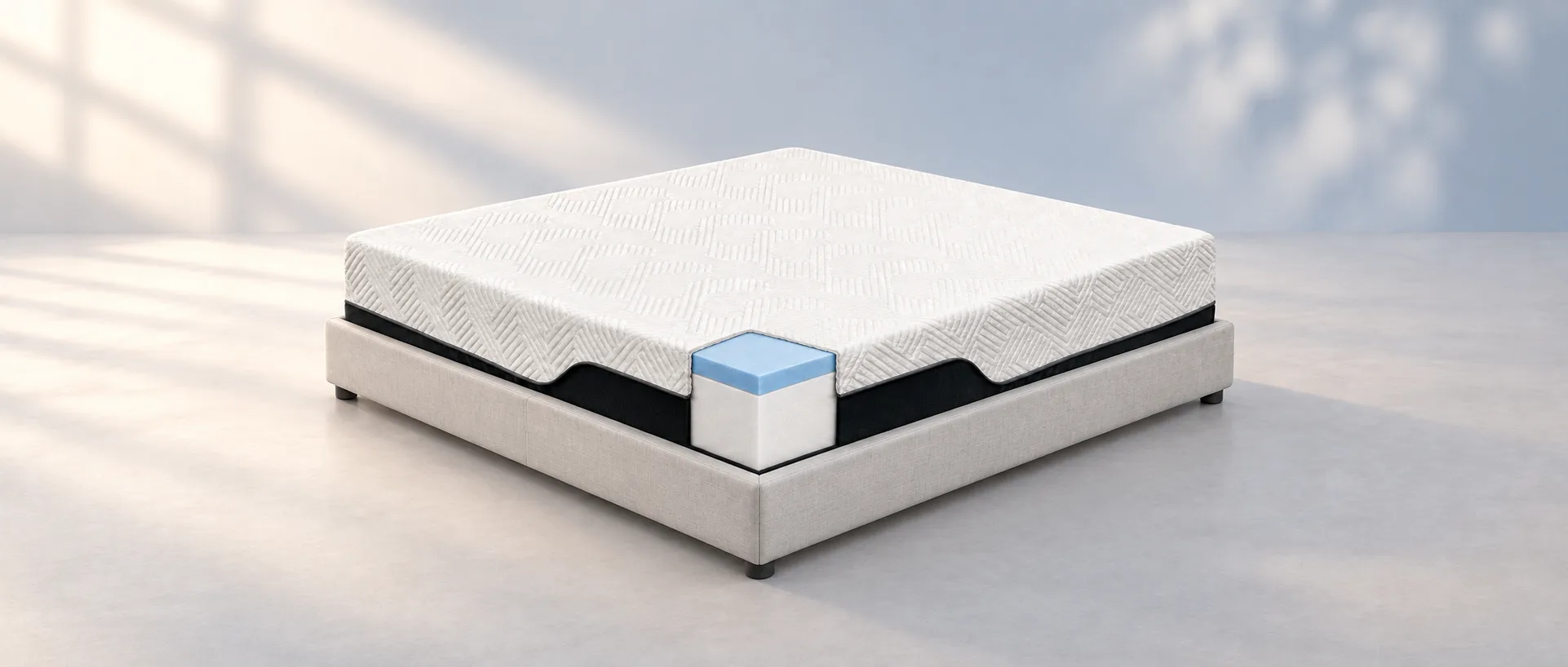
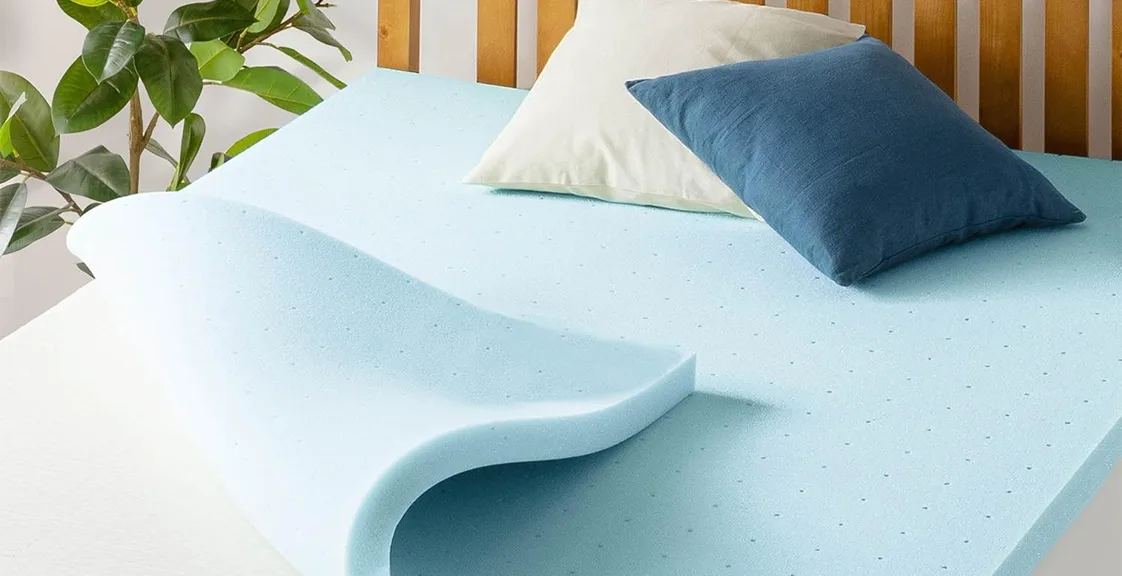
Gel memory foam is an advanced version of traditional memory foam. It incorporates cooling gel particles or gel-infused layers into the foam to address temperature issues.
Gel can be added in several ways:
● Gel beads mixed into the foam
● Swirled gel patterns
● A gel-infused top comfort layer
The result is a gel memory foam mattress that offers similar pressure relief but improved temperature regulation.
2.1 Key Characteristics of Gel Memory Foam
● Enhanced cooling performance
● Slightly faster response than traditional memory foam
● Less heat buildup during sleep
● Maintains contouring support
● Feels more breathable and refreshing
3.Memory Foam vs. Gel Memory Foam: Key Differences
3.1 Temperature Regulation
This is the biggest difference between the two.
3.1.1 Memory Foam:
● Tends to trap body heat
● May feel warm for hot sleepers
● Better suited for cooler climates or people who get cold easily
3.1.2 Gel Memory Foam:
● Gel absorbs and dissipates heat
● Provides a cooler sleep surface
● Ideal for hot sleepers and warm environments
If overheating is a concern, a gel memory foam mattress is usually the better choice.
3.2 Comfort and Feel
Both materials provide excellent comfort, but the feel can differ slightly.
3.2.1 Memory Foam Mattress Feel:
● Deep contouring
● Strong body-hug sensation
● Slower response when changing positions
3.2.2 Gel Memory Foam Mattress Feel:
● Still contouring, but less “sink-in”
● Slightly more responsive
● Feels lighter and less restrictive
Sleepers who dislike the “stuck-in-the-bed” feeling often prefer gel memory foam.
3.3 Pressure Relief and Support
In terms of pressure relief, both materials perform exceptionally well.
Memory foam molds tightly to the body, reducing pressure points
Gel memory foam provides similar support with improved airflow
Both types help maintain proper spinal alignment, making them suitable for:
● Side sleepers
● Back sleepers
People with chronic pain or joint discomfort
3.4 Motion Isolation
If you share a bed, motion isolation matters.
Memory foam mattresses are excellent at absorbing movement
Gel memory foam mattresses perform just as well
In this category, there is no significant difference—both materials minimize motion transfer effectively.
3.5 Durability and Lifespan
High-quality foam matters more than gel content.
Traditional memory foam: 7–10 years (depending on density)
Gel memory foam: Similar lifespan when properly manufactured
Low-density foam may break down faster, regardless of whether it contains gel. Always check:
● Foam density
● Certifications (CertiPUR-US, OEKO-TEX)
4. Price and Value
4.1 Memory Foam Mattresses:
Generally more affordable
Good option for budget-conscious buyers
4.2 Gel Memory Foam Mattresses:
Slightly higher price due to added cooling technology
Better value for hot sleepers
For many consumers, the extra cost of gel memory foam is justified by improved sleep comfort.
5. Which One Should You Choose?
5.1 Choose a Memory Foam Mattress If:
●You prefer a deep contouring feel
●You sleep in a cooler environment
●You want maximum pressure relief
●You’re looking for a more budget-friendly option
5.2 Choose a Gel Memory Foam Mattress If:
●You tend to sleep hot
●You live in a warm climate
●You want a cooler, more breathable mattress
●You dislike excessive sinking
6. Memory Foam and Gel Memory Foam in Modern Mattresses
Many modern memory foam mattresses combine both materials with additional technologies such as:
● Open-cell foam structures
● Cooling covers
● Breathable fabric layers
● Hybrid designs with pocket springs
As a result, gel memory foam is now one of the most popular materials in premium mattress design.