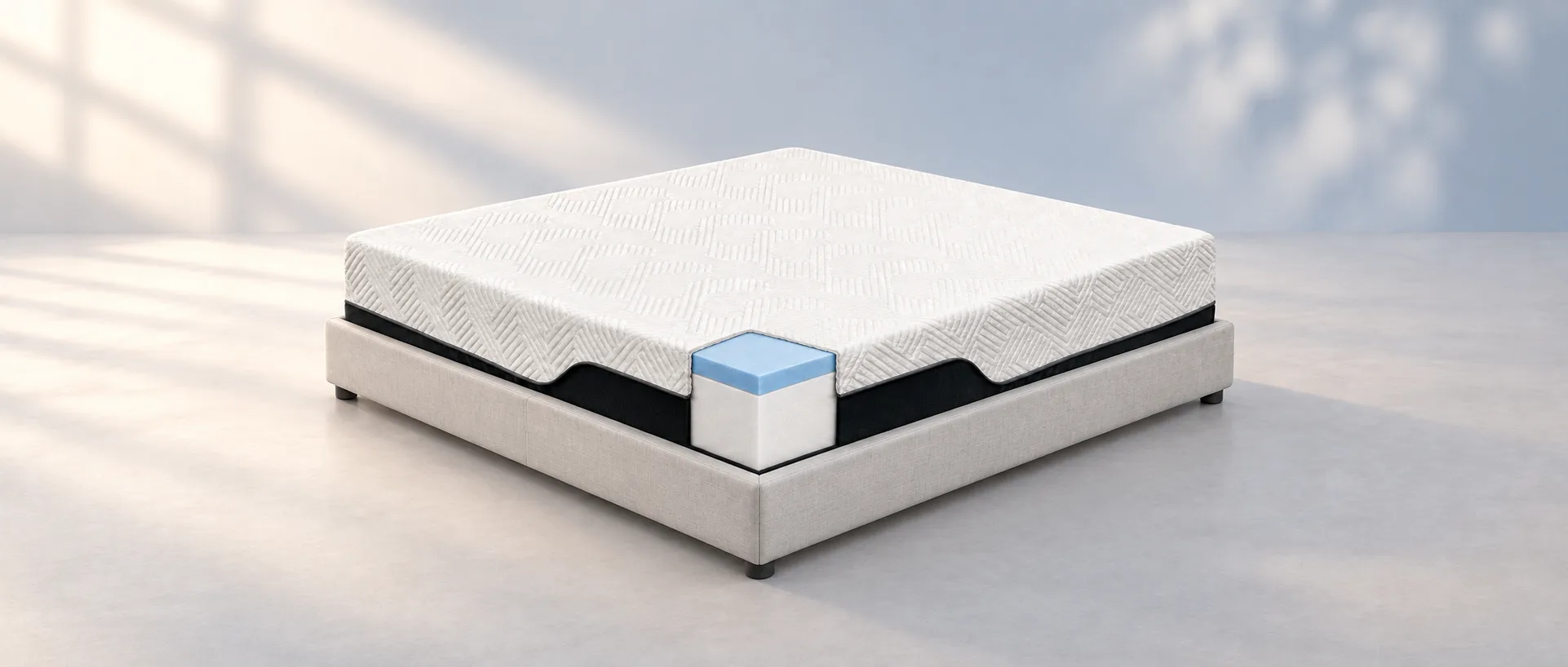
Choosing the right pillow is about more than comfort—it plays an important role in sleep quality, spinal alignment, allergy risk, and long-term health. While many people focus on pillow size or firmness, the type of pillow filling is often the most important factor.
Common pillow fillings include memory foam, latex, and down, each offering different levels of support, breathability, and durability. But which material is actually the healthiest? Is memory foam better for neck and spinal support? Does latex offer a more natural alternative? Are down pillows safe for people with allergies?
This article explores the health differences between memory foam, latex, and down pillows, helping you understand how each material affects your body and which option may best support your sleep needs.
1.Conclusion : The Healthiest Pillow Filling Depends on Support, Allergies, and Heat Regulation
When it comes to health, latex and high-quality memory foam are generally healthier pillow fillings than down. They provide better neck and spinal support, resist allergens, and maintain their shape over time. Down pillows, while soft and comfortable, often lack adequate support and may aggravate allergies.
The healthiest pillow filling is not the softest or most luxurious—it is the one that keeps your spine aligned, supports your neck, and allows you to breathe comfortably throughout the night.
2.Why Pillow Filling Matters for Your Health
A pillow is not just something to rest your head on. During sleep, it plays a critical role in supporting the neck, maintaining spinal alignment, regulating temperature, and ensuring breathing comfort.
All of these functions are heavily influenced by one key factor: the pillow filling.
Different pillow fillings vary greatly in support, firmness, elasticity, breathability, hygiene, and allergy risk. Choosing the wrong filling may lead to poor sleep quality and, over time, contribute to physical discomfort or chronic health issues.
2.1 How Pillow Filling Affects Sleep and the Body
2.1.1 Impact on Neck and Spine Health
During sleep, the neck and spine should remain in a natural, neutral alignment. The pillow filling determines whether this alignment is properly maintained.
-
Fillings that are too soft
-
Compress easily and lose shape
-
Allow the head to sink too deeply
-
Reduce neck support and strain muscles
-
-
Fillings that are too firm or lack flexibility
-
Do not adapt to the natural curve of the neck
-
Create pressure points
-
May cause stiffness or neck pain over time
-
An ideal pillow filling offers a balance of support and adaptability, keeping the neck properly supported in different sleeping positions.
2.1.2 Effect on Sleep Quality
Pillow filling directly influences how easily and how well you sleep:
-
Ease of movement
Resilient fillings respond quickly when you change positions, minimizing discomfort. -
Shape retention
Fillings that flatten or clump require frequent adjustment, interrupting sleep cycles. -
Noise and texture
Some low-quality or particle-based fillings produce noise or uneven surfaces when moving.
Poor pillow filling can lead to:
-
Longer time to fall asleep
-
Frequent nighttime awakenings
-
Waking up tired despite sufficient sleep duration
2.1.3 Influence on Breathing and Temperature Regulation
The breathability and moisture management of pillow filling affect both comfort and respiratory ease.
-
Low breathability
-
Traps heat
-
Causes night sweating
-
Increases discomfort, especially in warm environments
-
-
Poor moisture absorption
-
Allows sweat to accumulate
-
Creates a damp internal environment
-
Encourages bacteria and dust mites
-
High-quality fillings help maintain a stable, dry microclimate around the head and neck.
2.1.4 Effects on Skin and Allergy Sensitivity
Because pillows are in prolonged contact with the face, the filling plays a significant role in skin health and allergy prevention.
-
Fillings prone to dust and mite buildup
-
Can trigger allergies, asthma, or nasal irritation
-
May worsen acne or sensitive skin conditions
-
-
Fillings that are difficult to clean
-
Accumulate allergens over time
-
Pose hygiene concerns with long-term use
-
For people with allergies or sensitive skin, hypoallergenic, washable, and antibacterial fillings are especially important.
2.1.5 Long-Term Health Implications
While short-term effects may seem minor, long-term use of an unsuitable pillow filling can contribute to:
-
Chronic neck and shoulder pain
-
Tension headaches or migraines
-
Persistent poor sleep quality
-
Daytime fatigue and reduced concentration
These issues often develop gradually and may be mistakenly attributed to stress or posture, rather than the pillow itself.
3. What Makes a Pillow Filling “Healthy”
A pillow filling is considered healthy not because it feels soft or luxurious, but because it supports the body’s natural alignment and protects long-term sleep health. The right filling works with your body throughout the night, while the wrong one can quietly contribute to pain, poor sleep, and chronic discomfort.
Although personal preference matters, healthy pillow fillings tend to share several key characteristics.
3.1 Key Criteria of a Healthy Pillow Filling
A pillow filling is considered healthy if it meets most of the following standards:
Supports proper spinal alignment
Non-toxic and low in chemical emissions
Hypoallergenic or resistant to allergens
Breathable and temperature-regulating
Durable and resistant to sagging
Easy to clean and maintain
No single pillow filling is perfect for everyone, but some are clearly healthier than others depending on individual needs.
4.The Healthiest Pillow Fillings Ranked
4.1 Natural Latex (Often Considered the Healthiest Overall)
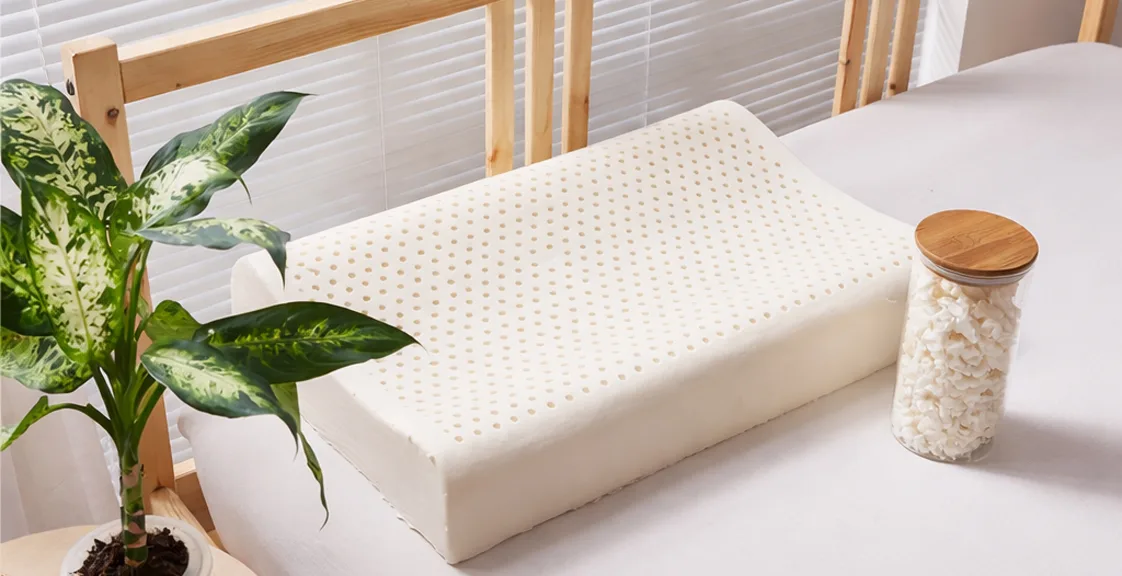
Natural latex pillows are made from the sap of rubber trees and are widely regarded as one of the healthiest pillow options available. Their unique physical properties support both sleep quality and long-term neck health.
4.1.1 Why Latex Pillow Filling Is Healthy
Natural latex offers several health-related advantages:
-
Excellent neck and spinal support
Latex provides consistent, responsive support that helps maintain proper neck alignment throughout the night. -
High elasticity and pressure relief
It compresses gently under weight and immediately returns to its original shape, reducing pressure points. -
Naturally breathable structure
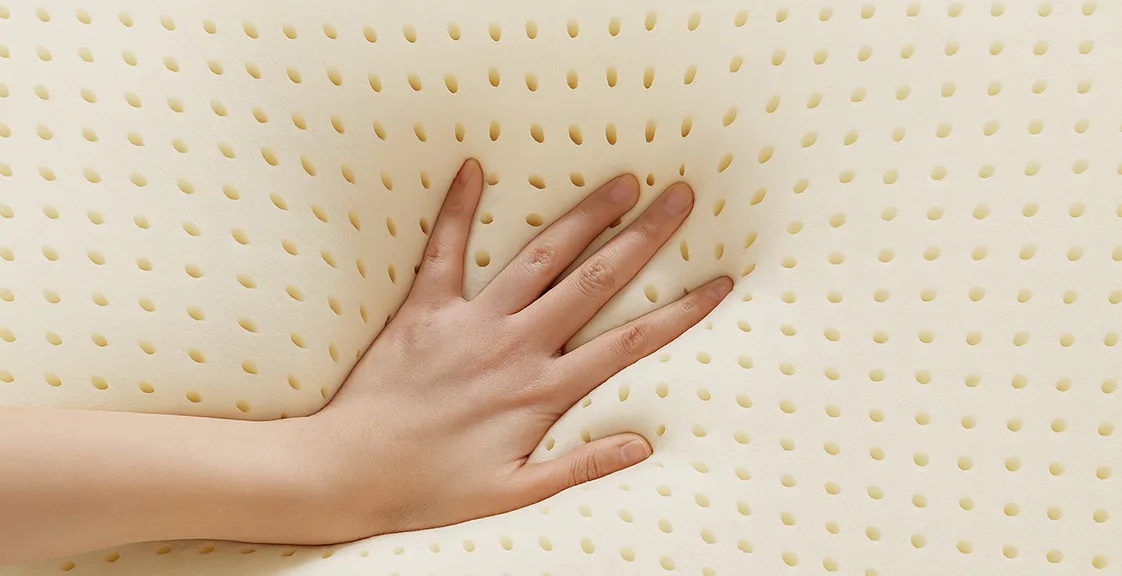
Open-cell latex and ventilation holes allow air to circulate, helping regulate temperature and reduce night sweating. -
Hypoallergenic and antimicrobial
Natural latex is resistant to dust mites, mold, and bacteria, making it suitable for allergy sufferers. -
Durability and shape retention
Latex pillows maintain their structure for years, reducing the risk of neck strain caused by sagging pillows.
Because of these qualities, latex pillows are often recommended by sleep and ergonomic specialists.
4.1.2 Who Latex Pillows Are Best For
Latex pillows are especially suitable for:
-
People with neck or shoulder pain
-
Back and side sleepers who need stable support
-
Individuals with allergies or asthma
-
Hot sleepers who need better airflow
-
Those looking for a long-lasting, low-maintenance pillow
However, latex pillows may feel too firm for people who prefer very soft, plush pillows, and they tend to be heavier than other options.
4.2 Memory Foam (Supportive but Depends on Quality)
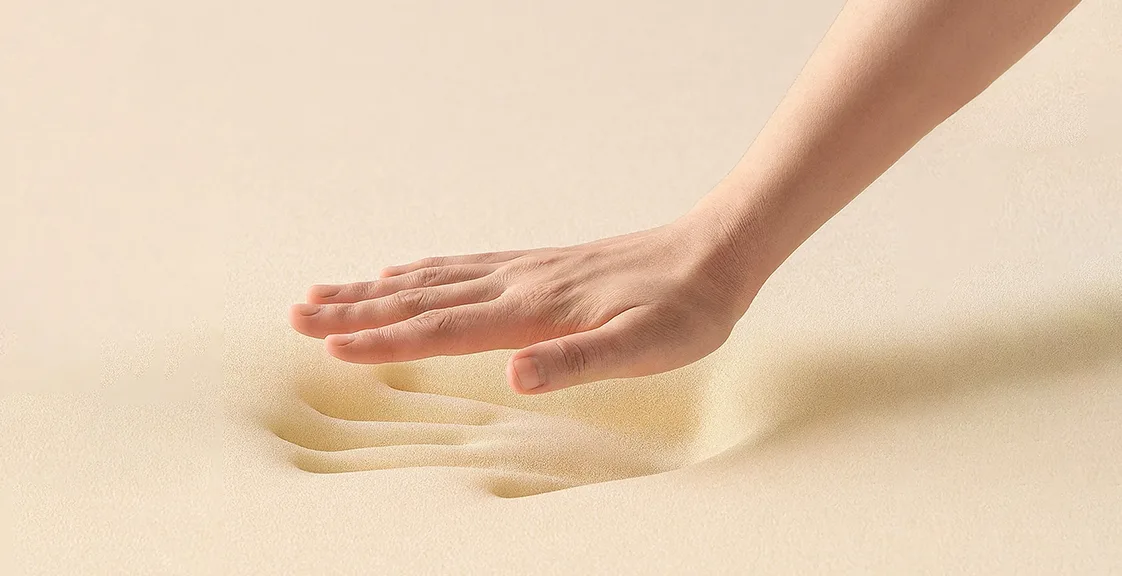
Memory foam pillows are known for their ability to contour closely to the head and neck. While they can provide excellent support, their health impact depends heavily on material quality and design.
4.2.1 Health Concerns With Memory Foam
Although memory foam can be beneficial, there are several potential health concerns to consider:
-
Heat retention
Traditional memory foam traps body heat, which may cause discomfort, sweating, and disrupted sleep—especially for hot sleepers. -
Off-gassing and chemical odors
Low-quality memory foam may release volatile organic compounds (VOCs), producing unpleasant smells and possible respiratory irritation. -
Reduced breathability
Dense foam limits airflow, increasing moisture buildup and potentially encouraging bacteria growth if not well ventilated. -
Inconsistent support over time
Cheaper memory foam can soften excessively or develop permanent indentations, reducing proper neck support. -
Sensitivity issues
Some individuals may experience headaches or skin irritation from prolonged exposure to synthetic foams.
High-quality, certified memory foam (e.g., low-VOC, ventilated designs) can minimize many of these issues, but not all products meet these standards.
4.3 Down and Feather (Comfortable but Not Always Healthy)
Down and feather pillows are traditionally associated with luxury and softness. While they offer a plush, comfortable feel, they are not always the healthiest option, especially for people with allergies or neck support needs.
4.3.1 Pros of Down and Feather Pillows
Down and feather pillows do have several advantages:
-
Soft and highly moldable
They easily adjust to the shape of the head and neck, making them comfortable for people who frequently change sleeping positions. -
Lightweight and cozy
The natural loft creates a cushioned, cloud-like feel that many sleepers enjoy. -
Good temperature regulation
Natural down allows some airflow and does not trap heat as aggressively as dense foam. -
Natural material
When ethically sourced and properly cleaned, down is a biodegradable, animal-based filling.
These qualities make down and feather pillows appealing for sleepers who prioritize softness over firmness.
4.3.2 Health Concerns
Despite their comfort, down and feather pillows present several health-related drawbacks:
-
Poor long-term neck support
They compress quickly and lose loft, which can cause misalignment of the neck and spine. -
Allergy and asthma triggers
Down and feathers can harbor dust mites and allergens, even after thorough cleaning. -
Difficult to clean thoroughly
Moisture retention makes them harder to wash and dry completely, increasing hygiene concerns. -
Inconsistent firmness
Feathers may poke through the fabric and shift unevenly, creating pressure points.
For individuals with neck pain, allergies, or hygiene concerns, down and feather pillows may be less suitable.
4.4 Polyester and Synthetic Fiber Fillings (Least Healthy Option)
Polyester and other synthetic fiber fillings are widely used due to their low cost and availability. However, from a health perspective, they generally rank lowest among common pillow fillings.
4.4.1 Why Synthetic Fillings Rank Lowest
Synthetic fiber pillows present several disadvantages:
-
Rapid loss of support
Polyester fibers flatten quickly, leading to poor neck alignment and frequent pillow replacement. -
Low breathability
Heat and moisture are easily trapped, increasing discomfort and night sweating. -
Higher allergen buildup
Synthetic fibers attract dust and are more prone to dust mite accumulation. -
Limited durability
Short lifespan results in sagging and clumping, which can strain the neck and shoulders. -
Petroleum-based materials
Most synthetic fillings are derived from plastics and may release microfibers over time.
While synthetic pillows may be convenient or affordable, they are best viewed as short-term or temporary options, rather than a healthy long-term sleep solution.
5.Best Pillow Fillings by Sleeping Position
Your sleeping position plays a major role in determining which pillow filling is healthiest for you. Each position places different demands on neck alignment, pillow height (loft), and firmness. Choosing the right filling can help prevent pain, improve breathing, and support deeper sleep.
5.1 Best Pillow Filling for Side Sleepers
Side sleeping requires the most pillow support, as the space between the head and mattress is greatest.
Recommended Pillow Fillings
-
Natural Latex
-
Provides strong, consistent support
-
Maintains proper neck-to-spine alignment
-
Resists flattening throughout the night
-
-
High-Quality Memory Foam
-
Contours to the neck and shoulder area
-
Reduces pressure points
-
Best when ventilated or cooling-enhanced
-
-
Buckwheat Hulls (optional alternative)
-
Adjustable loft and firmness
-
Excellent airflow
-
May feel too firm for some sleepers
-
5.2 Best Pillow Filling for Back Sleepers
Back sleepers need moderate support that maintains the natural curve of the neck without pushing the head forward.
5.3 Best Pillow Filling for Stomach Sleepers
Stomach sleeping places the neck in a rotated position, making pillow choice especially important.
Recommended Pillow Fillings
-
Low-Loft Natural Latex
-
Thin and responsive
-
Minimizes neck strain
-
Maintains gentle support
-
-
Soft, Low-Density Memory Foam
-
Compresses easily
-
Reduces pressure on the neck
-
-
Minimal or No Pillow (in some cases)
-
May reduce cervical rotation stress
-
6. Best Pillow Fillings for Allergy and Respiratory Health
For people with allergies, asthma, or sensitive respiratory systems, pillow choice is more than a comfort issue — it directly affects nighttime breathing, sinus health, and sleep quality. The right pillow filling can significantly reduce exposure to allergens such as dust mites, mold, and bacteria.
6.1 Hypoallergenic Pillow Fillings
Hypoallergenic pillow fillings are designed or naturally suited to resist allergens and maintain better hygiene. Below are the healthiest options for allergy and respiratory health.
Best Hypoallergenic Pillow Fillings
6.1.1 Natural Latex
-
Naturally resistant to dust mites, mold, and mildew
-
Does not trap moisture easily
-
Dense structure prevents allergen buildup
-
Ideal for long-term allergy management
Natural latex is often considered the top choice for allergy sufferers, especially when paired with a breathable, washable pillow cover.
6.1.2 High-Quality Memory Foam (Certified Low-VOC)
-
Resists dust mites due to dense structure
-
Offers consistent neck support
-
Best when ventilated and certified for low chemical emissions
Important note: Choose memory foam with recognized safety certifications to minimize off-gassing and respiratory irritation.
6.1.3 Buckwheat Hulls
-
Excellent airflow reduces moisture and mold growth
-
Naturally inhospitable to dust mites
-
Adjustable and breathable
However, buckwheat pillows can be firm and produce slight noise when shifting positions.
Regular washing and pillow protectors further improve hygiene.
7. How Often Should You Replace Your Pillow?
7.1 Pillow Lifespan by Filling
Latex: 5–7 years
Memory foam: 3–5 years
Buckwheat: 5+ years (replace hulls as needed)
Wool: 3–5 years
Down/synthetic: 1–2 years
Old pillows accumulate allergens and lose support, reducing their health benefits.