Understanding the Pain Behind the Plush
Memory foam mattresses have been marketed as the ultimate solution for restful sleep, contouring perfectly to your body shape and relieving pressure points. So why do some people experience back pain after sleeping on one? If you’ve invested in a memory foam mattress only to wake up sore or stiff, you’re not alone.
Let’s explore the causes of back pain associated with memory foam mattresses, who’s most at risk, how to remedy the issue, and whether it’s time to consider other types of mattresses.
1. How Memory Foam Mattresses Work
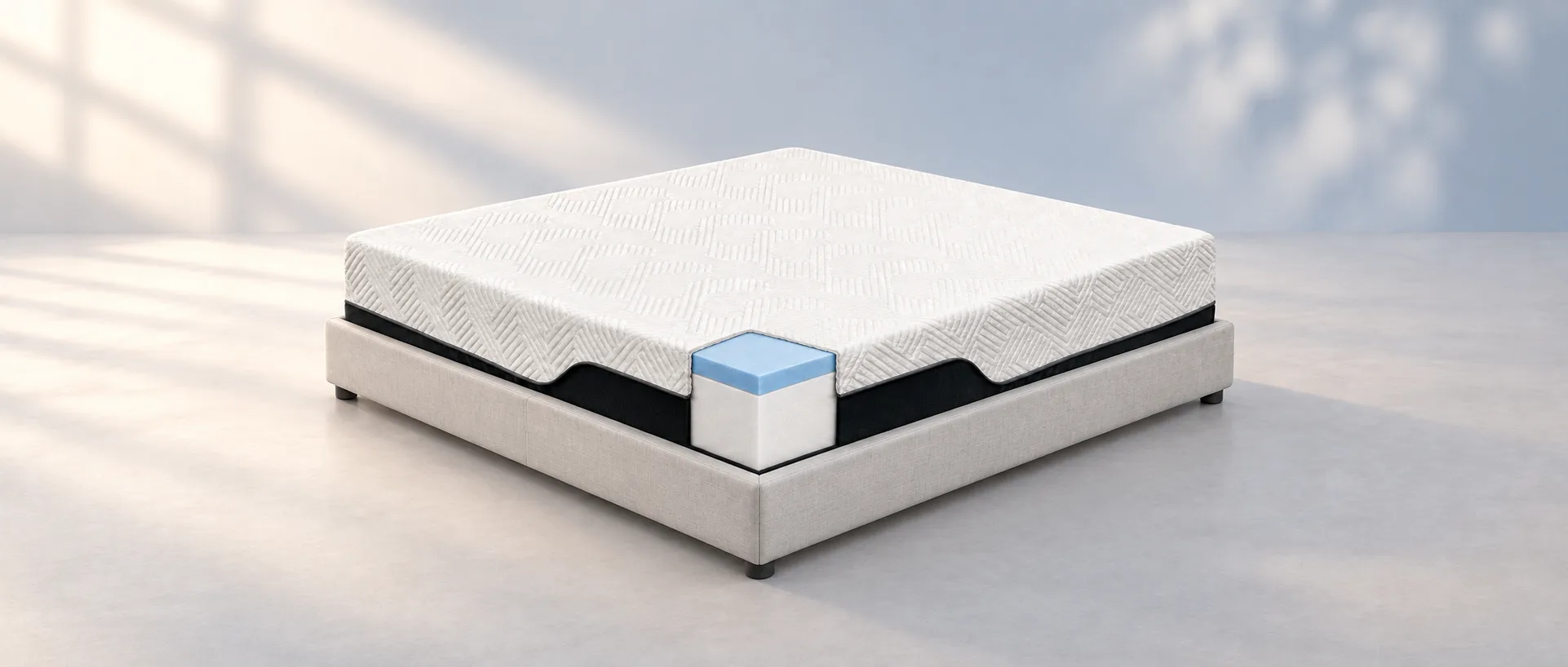
Memory foam is a pressure-sensitive material that molds to your body shape using your body heat. It was created by NASA to absorb shock and gradually made its way into the mattress industry.
Key Benefits of Memory Foam
● Conforms to your body shape
● Reduces motion transfer
● Relieves pressure points (ideal for side sleepers)
However, despite these benefits, memory foam isn’t ideal for everyone. And improper use—or the wrong foam density—can lead to back pain.
2. Why Your Memory Foam Mattress Is Causing Back Pain
Here are the most common reasons people experience back pain when using a memory foam mattress:
2.1 Too Soft or Too Firm
Memory foam mattresses vary in firmness. If your mattress is:
● Too soft: Your body may sink, causing your spine to fall out of alignment. This can lead to lower back pain or hip strain.
● Too firm: The mattress may not allow enough contouring, causing pressure points and discomfort.
The optimal firmness for most sleepers is medium to medium-firm, balancing contouring and support.
2.2 Low-Density Foam
Cheaper memory foam mattresses often use low-density foam. These break down more quickly, leading to:
● Premature sagging
● Loss of support
● Increased strain on your spine and muscles
If your memory foam mattress is sagging or showing indentations, it may be time to replace it.
2.3 Lack of Edge Support
Memory foam mattresses without reinforced edges can cause you to slide or roll toward the edge of the bed. This strain on the lower back or hips can lead to morning pain, especially if you sleep near the edge.
2.4 Wrong Sleeping Position
Memory foam works best for side sleepers because it cushions the shoulders and hips. However:
● Back sleepers may find it too soft.
● Stomach sleepers often experience pelvic sinking, causing hyperextension of the spine.
If you’re not a side sleeper, a memory foam mattress may not be the best match for your sleep style.
2.5 Adjustment Period
Memory foam takes time to soften and adapt to your body. For some people, this phase causes temporary discomfort as the mattress breaks in.
However, if pain persists beyond a 2-3 week adjustment period, it may be a compatibility problem rather than a break-in issue.
2.6 Sleeping Too Hot
Memory foam is notorious for retaining heat. The warmth can cause muscles to relax too deeply, leading to unnatural spinal alignment and morning stiffness.
While cooling gel-infused foams help, they don’t fully resolve heat retention for everyone.
3. How to Fix Back Pain from a Memory Foam Mattress
Before giving up on your memory foam bed, consider these solutions:
3.1 Use a Mattress Topper
Adding a latex or firm foam topper can enhance support and stabilize your spine if your mattress is too soft.
3.2 Rotate Your Mattress
Memory foam should be rotated every 3–6 months to prevent sagging and ensure even wear.
3.3 Replace the Foundation
An improper or worn foundation can affect the mattress’ support and alignment. Ensure it’s flat, sturdy, and designed for foam mattresses.
3.4 Adjust Your Sleeping Position
Side sleepers: Place a pillow between your knees
Back sleepers: Add a smaller pillow under your knees
Stomach sleepers: Try transitioning to side or back sleeping to relieve spinal pressure
3.5 Upgrade to a Better Mattress
If all else fails, it might be time to replace your mattress with one that offers better spinal support. Some alternatives include:
● Latex mattresses: More responsive and naturally supportive
● Hybrid mattresses: Supportive coil base with breathable comfort layers
Zoned support mattresses: Contour specifically to different body areas
4. Who Should Avoid Memory Foam?
Memory foam isn’t a one-size-fits-all solution. It may not work for:
● Stomach sleepers (risks spinal misalignment)
● People over 200 lbs (may sink too deeply)
● Hot sleepers (foam traps heat)
People with chronic back issues needing firm, responsive support
5. FAQ
Q:Can memory foam cause lower back pain?
A:Yes. If it’s too soft, too firm, or sagging, memory foam can misalign your spine and cause lower back pain.
Q:How do I know if my mattress is the cause of my back pain?
A:Try sleeping elsewhere (like a guest bed or sofa) for a few nights. If your pain improves, the mattress is likely the problem.
Q:How long do memory foam mattresses last?
A:High-quality memory foam mattresses last 7–10 years, but cheaper models may degrade in 3–5 years.
Q:Do mattress toppers work for back pain?
A:Yes. A latex or firm support topper can improve alignment and comfort, especially if your memory foam mattress is too soft.
Q:What’s the best alternative to memory foam?
A:Latex and hybrid mattresses offer better support, responsiveness, and breathability. They’re often preferred by people with chronic pain or posture concerns.
Q:How long does it take to adjust to a memory foam mattress?
A:It usually takes 2–3 weeks for your body (and the mattress) to adjust. Persistent pain may signal a compatibility issue.
Q:What’s better for back pain: memory foam or latex?
A:Latex mattresses often provide more responsiveness and spinal support compared to memory foam, making them better for chronic back pain.
Q:Why Choose MIJUE?
A:
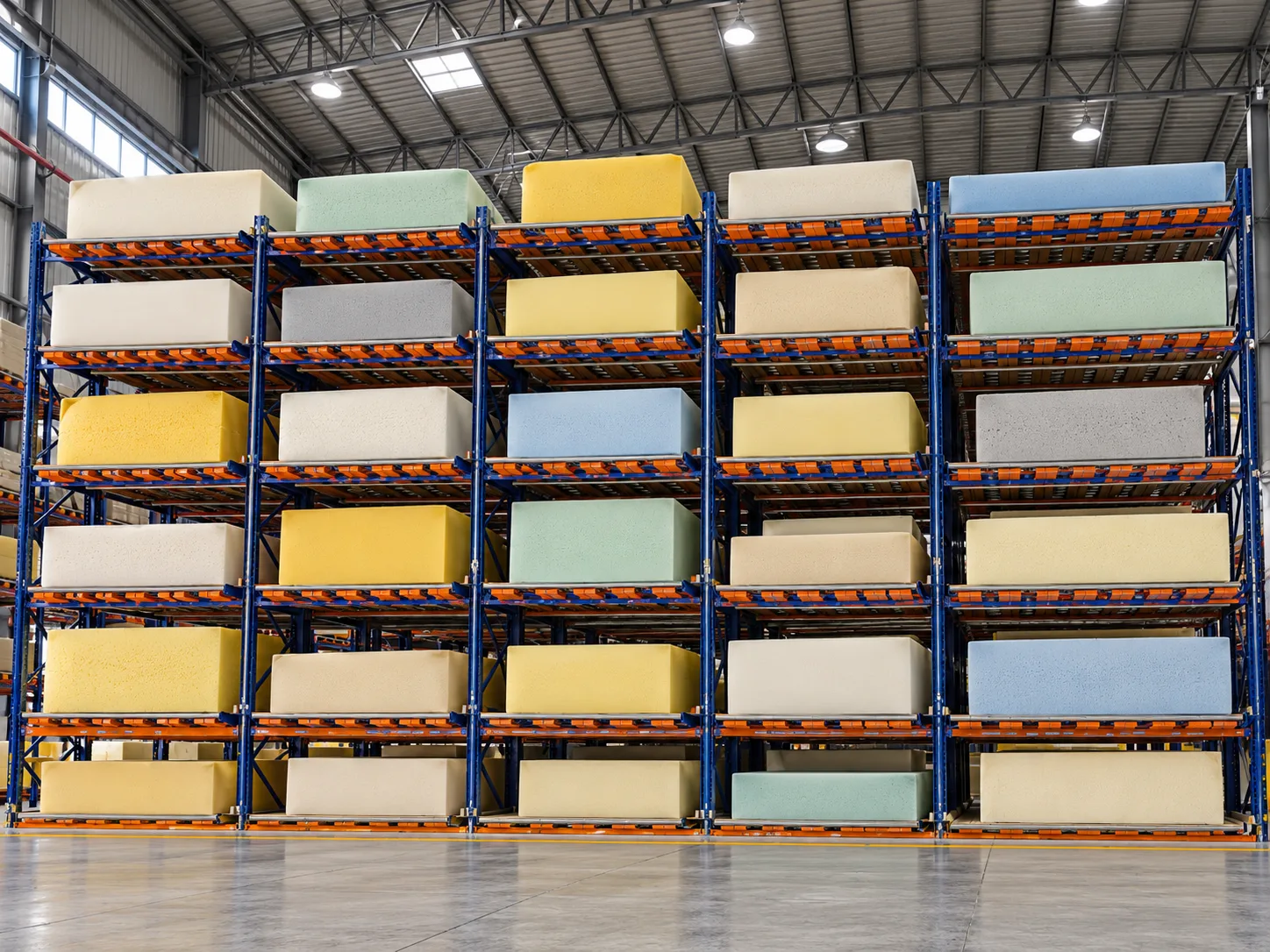
1.Materials Advantage: We offer a wide selection of high-quality materials — including memory foam, latex, and cooling gel — to meet diverse market needs. With large-scale and stable production capacity, we ensure consistent quality and reliable supply for every mattress order.
2.Lowest MOQ: Our minimum order quantity (MOQ) starts from just 100 mattresses, giving our partners the flexibility to test markets, customize designs, and expand with confidence.
3.Trusted B2B Mattress Manufacturer : As a trusted B2B mattress manufacturer, MIJUE provides a full range of solutions — from hybrid, hotel and home mattresses to pocket spring and custom designs.
Explore our exclusive collection created for global partners, and let your imagination take flight.
At MIJUE, we offer expert guidance and collaborative support to bring your unique concepts to life, ensuring every mattress stands out in your market.