An In-Depth, Buyer-Focused Guide for Businesses and Consumers
Hybrid mattresses have surged in popularity as an innovative sleep solution that blends the comfort of foam with the support of innerspring coils. Whether you’re a retailer, hotelier, or a consumer searching for the perfect mattress, understanding the different types of hybrid mattresses is key to making an informed choice. In this guide, we’ll break down the structural variations, their features, and how each type serves both B2B and B2C demands.
1. What Is a Hybrid Mattress?
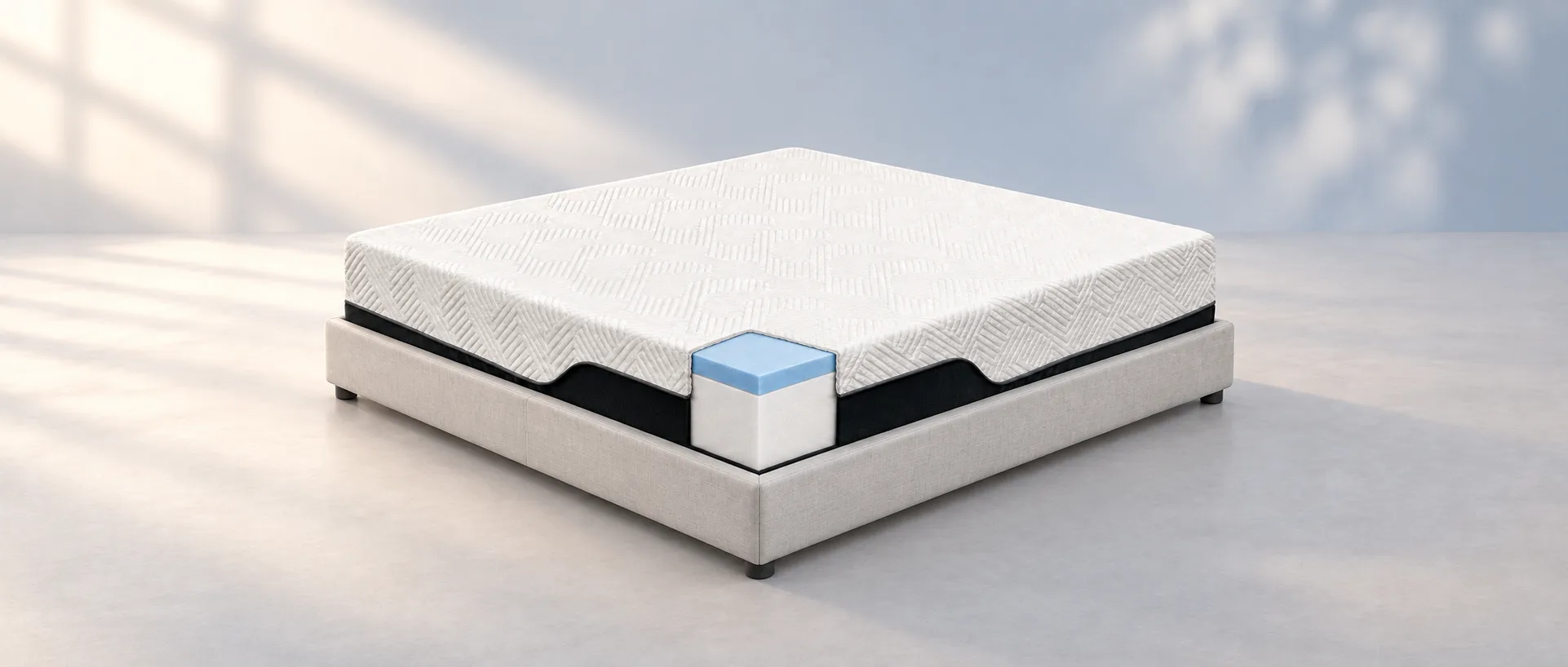
A hybrid mattress combines two or more types of support systems—usually an innerspring coil base layered with foam or latex on top. This innovation addresses the need for both pressure relief and supportive bounce. It leverages:
● Coil support system (often individually pocketed)
● Comfort layers (such as memory foam or natural latex)
● A transition layer (helps in reducing motion transfer)
● Cover fabric (often breathable or cooling textiles)
The result is a mattress that suits diverse preferences, from luxurious hotel bedding to tailored home comfort.
2. Hybrid Mattress Structure: Key Elements
2.1 Coil Support Core
At the base of every hybrid mattress lies the coil system. It brings stability, airflow, and durability:
● Pocketed Coils: Wrapped individually to minimize motion transfer—ideal for shared bedding.
● Bonnell Coils: Traditional, hourglass-shaped coils—durable and cost-effective, common in bulk hospitality orders.
● Offset Coils: Designed for responsive support—perfect for healthcare or long-term use.
● Continuous Coils: Single wire construction—stronger, firmer feel, often preferred in senior care facilities.
2.2 Comfort Layers
Sitting above the coils are advanced foam layers that determine feel and performance:
● Memory Foam: Contouring, pressure-relieving—great for C-end users with joint issues.
● Latex Foam: Naturally cooling and resilient—ideal for eco-conscious hotels or consumers.
● Polyfoam: Versatile and affordable—widely used in mass-produced bedding for B-end clients.
3. Types of Hybrid Mattresses (with B2B & B2C Logic)
3.1 Memory Foam Hybrid Mattresses
● Best For: Side sleepers, individuals with pressure-point pain, and budget-conscious hospitality setups.
Memory foam hybrids are known for superior contouring and minimal motion transfer. They’re popular in both home and commercial settings.
● B2C Appeal: Enhances sleep quality for individuals suffering from back or shoulder pain.
● B2B Appeal: Affordable bulk purchase option for guest rooms, student housing, or Airbnb properties.
● Pros:
Excellent pressure relief
Reduced motion disturbance
● Cons:
May trap heat; look for cooling upgrades
3.2 Latex Hybrid Mattresses
● Best For: Eco-aware consumers, hot sleepers, and premium hospitality segments.
Latex hybrids blend natural latex foam with supportive coils, delivering breathable, hypoallergenic sleep surfaces.
● B2C Appeal: Sustainable choice with organic materials; ideal for allergy sufferers.
● B2B Appeal: High durability and low maintenance—preferred in luxury resorts or wellness centers.
● Pros:
Naturally cooling, bouncy feel
Longer lifespan than pure memory foam
● Cons:
Higher price point
3.3 Cooling Hybrid Mattresses
● Best For: Hot sleepers, warm climates, and high-end hotels.
These hybrids specialize in temperature regulation. They often integrate gel-infused foams, cooling fibers, or ventilated foam designs.
● B2C Appeal: Ideal for those experiencing night sweats or living in warmer regions.
● B2B Appeal: Enhances guest experience, reducing negative reviews of “hot beds.”
● Pros:
Advanced cooling tech
Balanced firmness
● Cons:
Price reflects added technology
3.4Firm Hybrid Mattresses
● Best For: Back and stomach sleepers, rental properties, and healthcare facilities.
Firm hybrids use denser foam and tighter coil systems for improved spinal alignment, making them suitable for heavy usage.
● B2C Appeal: Great for consumers who prefer a harder surface to relieve back discomfort.
● B2B Appeal: High durability and lower sag risk—ideal for long-term commercial use.
● Pros:
Robust support
Maintains structure longer
● Cons:
Less comfortable for side sleepers
3.5 Plush Hybrid Mattresses
● Best For: Side sleepers, luxury bedding collections, and boutique hotels.
With thick, soft layers of foam or pillow-top designs, these hybrids deliver a cloud-like experience.
● B2C Appeal: Excellent pressure point relief; often chosen for master bedrooms.
● B2B Appeal: Offers an upscale sleep experience, increasing room value in luxury chains.
● Pros:
Ultra-comfortable cushioning
Great for light sleepers
● Cons:
Can lack necessary support for heavy users
3.6 Zoned Hybrid Mattresses
● Best For: Athletes, chronic pain sufferers, and specialized institutions.
Zoned hybrids feature tailored support for different body regions—firmer under hips, softer at shoulders.
● B2C Appeal: Personalized support enhances spinal alignment.
● B2B Appeal: Used in rehabilitation centers or sleep labs to promote postural health.
● Pros:
Enhanced ergonomic benefits
Reduces body tension
● Cons:
Can feel unfamiliar to first-time users
4. Hybrid Mattress Benefits for Businesses and Consumers
4.1 B2C (Consumer) Benefits
Combines the plushness of foam and stability of springs
Better airflow and cooling than pure foam mattresses
Suitable for diverse sleep needs: side, back, or stomach sleepers
4.2 B2B (Business) Benefits
Long lifespan reduces replacement frequency
Pocketed coils enhance hygiene and reduce noise—ideal for hotels and care homes
Customizable build for branding and product differentiation
5. How to Choose the Right Hybrid Mattress
Whether you’re a homeowner or a hotel manager, consider:
● Firmness Level: Match sleep style or brand standard (e.g., hotels often go for medium-firm)
● Material Types: Latex for sustainability, memory foam for contouring, polyfoam for budget
● Cooling Features: Essential for online mattress retailers and properties in warm regions
● Durability: High coil count and dense foams last longer in commercial deployments
● Certifications: Look for CertiPUR-US®, OEKO-TEX®, and eco-labels
6. FAQ
Q:Why Choose MIJUE?
A:
1.Materials Advantage: We offer a wide selection of high-quality materials — including memory foam, latex, and cooling gel — to meet diverse market needs. With large-scale and stable production capacity, we ensure consistent quality and reliable supply for every mattress order.
2.Lowest MOQ: Our minimum order quantity (MOQ) starts from just 100 mattresses, giving our partners the flexibility to test markets, customize designs, and expand with confidence.
3.Trusted B2B Mattress Manufacturer : As a trusted B2B mattress manufacturer, MIJUE provides a full range of solutions — from hybrid, hotel and home mattresses to pocket spring and custom designs.
Explore our exclusive collection created for global partners, and let your imagination take flight.
At MIJUE, we offer expert guidance and collaborative support to bring your unique concepts to life, ensuring every mattress stands out in your market.
Q: Can you assist with market recommendations or new product development?
A: Yes. Our R&D and sales teams work closely with clients to analyze regional trends and develop products tailored to their local market preferences and business goals.
Q: What certifications do your products have?
A: Our products are certified by SGS, CE, and OEKO-Tex, meeting international standards for safety, environmental protection, and quality.
Q: Can you customize products?
A: Of course. MIJUE offers a comprehensive customization service — whether it’s materials, fabrics, sizes, or designs, we can tailor products to your specific requirements and create exclusive solutions that meet your brand or project needs.
Q: What mattress thicknesses do you usually make?
A: We typically produce mattresses ranging from 10 to 13 inches in thickness, and also offer models under 10 inches. Our best-selling options are currently 12-inch and 9-inch mattresses.