Memory foam mattresses once dominated the mattress market for their body-contouring comfort and pressure-relieving qualities. They became synonymous with modern sleep technology, especially in the early days of the direct-to-consumer mattress boom. But today, more and more people are shifting away from memory foam. So, why are people no longer buying memory foam? Let’s explore the reasons behind this shift, what consumers are choosing instead, and what it means for the mattress industry.
1. What is Memory Foam?
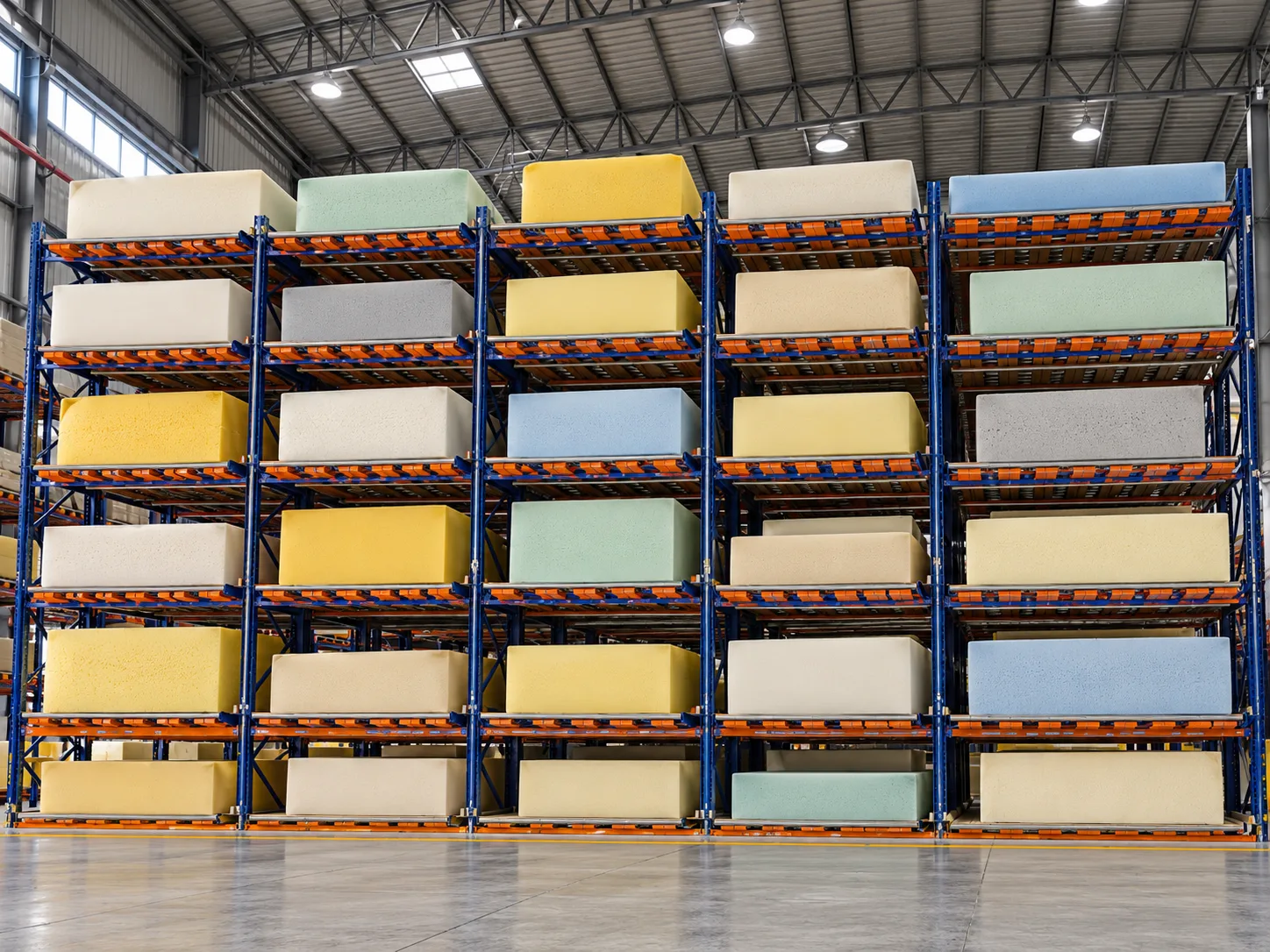
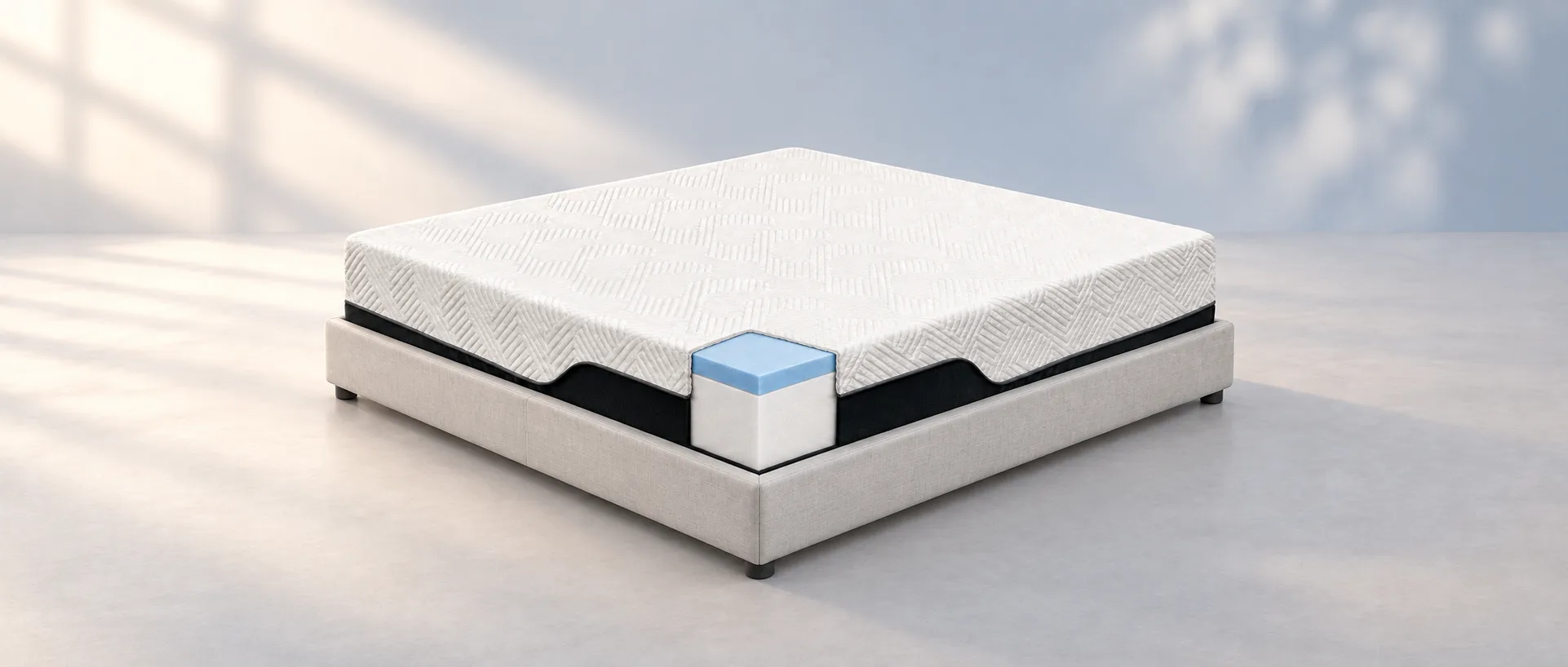
Memory foam is a viscoelastic polyurethane foam that responds to heat and pressure, allowing it to mold to the shape of the sleeper’s body. It was originally developed by NASA in the 1960s and was embraced by the mattress industry due to its ability to cradle the body and reduce pressure points.
1.1 Benefits of Memory Foam (Historically)
Excellent pressure relief for joints
Good motion isolation for couples
Conforms to the body’s shape for a “hugging” sensation
Memory foam was initially viewed as a game-changer in sleep technology, particularly for side sleepers and people with chronic pain. However, as sleep science evolves and consumers become more informed, the drawbacks of memory foam are becoming harder to ignore.
2. Why Consumers Are Moving Away from Memory Foam
2.1 Heat Retention Issues
One of the biggest complaints about memory foam is its tendency to retain heat. Even with “cooling gel-infused” or “open-cell” variants, many sleepers—especially hot sleepers—find memory foam traps heat, leading to sweating and frequent waking during the night.
2.2 Off-Gassing and Chemicals
Traditional memory foam is made from petrochemical-derived materials. Many consumers now avoid it due to:
Strong chemical odors (off-gassing)
Concern about volatile organic compounds (VOCs)
Growing demand for eco-friendly, non-toxic products
With increased awareness of indoor air quality, especially among families and people with respiratory issues, memory foam mattresses are becoming less attractive.
2.3 Sagging and Durability Issues
Memory foam tends to soften over time, which can lead to body impressions and sagging. This impacts spinal alignment and creates pressure points—ironically invalidating the comfort memory foam was designed to provide.
2.4 Lack of Responsiveness
Some sleepers dislike the slow response feel of memory foam. It can make them feel “stuck” or make position changes more difficult. For combination sleepers who move positions at night, or people with mobility issues, this is a major drawback.
2.5 More Competition and Better Alternatives
The mattress market has evolved. New materials and hybrid technologies combine the best of foam, latex, and coils. These alternatives often outperform memory foam in cooling, responsiveness, and sustainability.
3. What Are People Buying Instead of Memory Foam?
3.1 Hybrid Mattresses
Hybrid mattresses blend innerspring coils with comfort layers like latex or foam. They provide better airflow, sturdy edge support, and a more balanced feel than pure memory foam.
● Why they’re popular:
Enhanced breathability
Responsive bounce and support
Suitable for all sleep positions
3.2 Natural Latex Mattresses
Made from the sap of rubber trees, latex is becoming a favorite for eco-conscious and health-oriented sleepers. It’s naturally hypoallergenic, breathable, and durable.
● Key benefits:
Cooler sleeping surface
No off-gassing
Supportive yet responsive
3.3 Zoned Support Mattresses
Mattresses with zoned coil or foam patterns offer customized support for different body areas. These are favored by sleepers with back pain or high ergonomic needs.
● Trend insight: Consumers now prioritize spinal alignment and targeted pressure relief over the “sinking” feel of memory foam.
If durability and long-term support are high priorities, then natural latex and hybrid constructions clearly outperform standard memory foam in many cases. Zoned support systems add an extra layer of ergonomic benefit. Memory foam still has a place (especially for pressure relief and isolation), but when compared side-by-side with these other options, it tends to lag in longevity and structural resilience.
4. Consumer Mindset Shift: Comfort Is Not Enough
Modern consumers want more than just comfort. They care about:
● Sustainability: Natural and organic materials
● Long-term value: Mattresses that last 10+ years
● Health and Safety: Low or zero-VOC certifications
● Cooling Performance: Especially in warmer climates or for hot sleepers
● Ergonomic Support: Spinal health takes priority over plushness
With access to more information and reviews, shoppers are now smarter and more critical.
5. Memory Foam Is Still Suitable for Some Sleepers
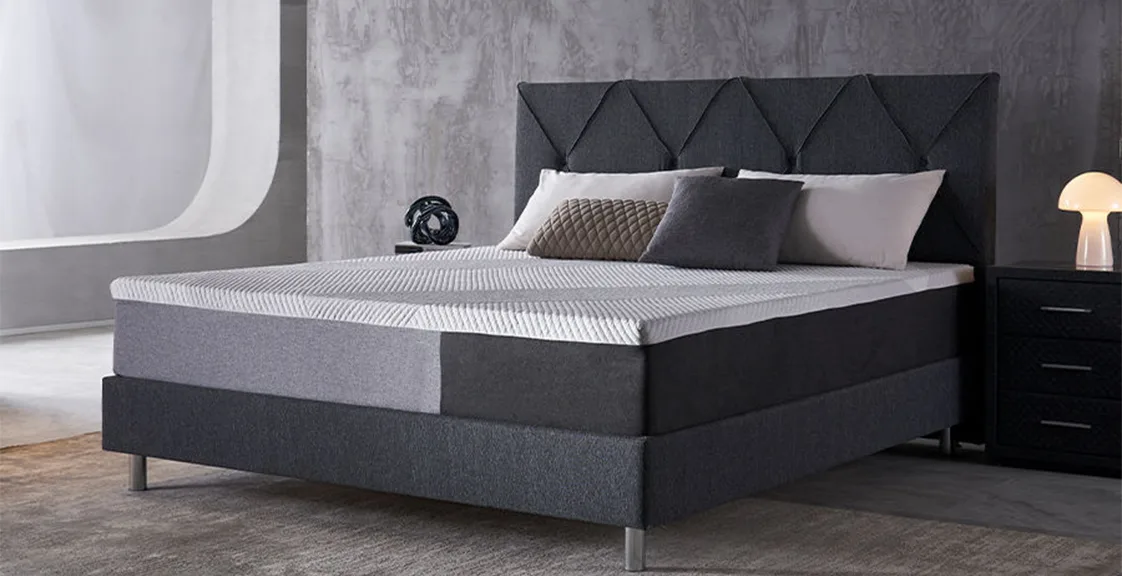
While memory foam is declining in popularity, it’s not obsolete. It’s still a good option for:
● Side sleepers needing pressure relief
● Light sleepers who want motion isolation
● People who prefer a cradling, contouring sensation
Some premium memory foams are also innovating with cooling graphite, copper infusions, or plant-based alternatives. However, these’tend to come at a higher price point and still face the same core issues.
6. FAQ
Q:Is memory foam still a good mattress option?
A:Memory foam can still be a good choice for side sleepers and those needing pressure relief, but it may not be ideal for hot sleepers, eco-conscious buyers, or those needing stronger support.
Q:Why do memory foam mattresses sleep hot?
A:Memory foam absorbs and retains heat due to its dense structure and synthetic makeup. Even with cooling gel, it can still trap warmth, leading to sweating during sleep.
Q: What causes memory foam mattresses to sag?
A:Repeated use causes memory foam to soften and develop body impressions. This is more common with lower-density foams and lack of support layers.
Q:Are latex mattresses better than memory foam?
A:In many ways, yes—natural latex is cooler, more responsive, longer-lasting, and free from chemical odors, making it a healthier and more durable alternative.
Q:What materials are replacing memory foam?
A:Hybrid mattresses (coils + foam), natural latex, and zoned support mattresses are gaining popularity for their balance of comfort, cooling, and ergonomic support.
Q:Why Choose MIJUE?
A:
1.Materials Advantage: We offer a wide selection of high-quality materials — including memory foam, latex, and cooling gel — to meet diverse market needs. With large-scale and stable production capacity, we ensure consistent quality and reliable supply for every mattress order.
2.Lowest MOQ: Our minimum order quantity (MOQ) starts from just 100 mattresses, giving our partners the flexibility to test markets, customize designs, and expand with confidence.
3.Trusted B2B Mattress Manufacturer : As a trusted B2B mattress manufacturer, MIJUE provides a full range of solutions — from hybrid, hotel and home mattresses to pocket spring and custom designs.
Explore our exclusive collection created for global partners, and let your imagination take flight.
At MIJUE, we offer expert guidance and collaborative support to bring your unique concepts to life, ensuring every mattress stands out in your market.