The right pillow doesn’t just support your head — it supports your entire sleep quality.
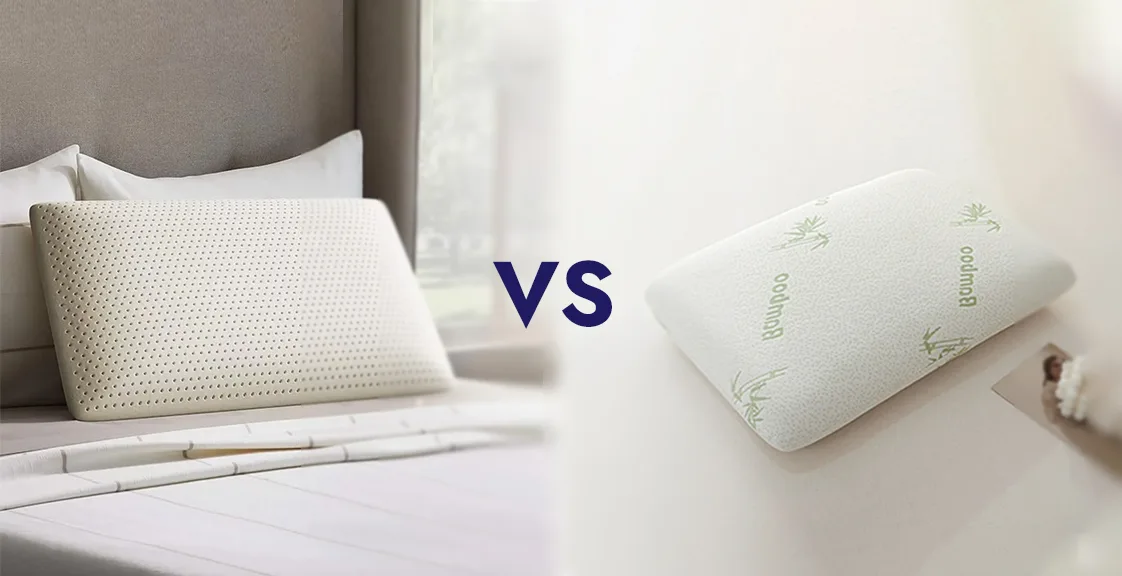
If you’ve been comparing latex vs memory foam pillows, you’ve probably noticed they both promise excellent comfort, but in very different ways.
One is naturally bouncy and breathable, while the other contours deeply to your shape. So which one gives you the better night’s sleep?
Let’s explore the real differences between latex and memory foam pillows, their pros and cons, and how to choose the one that fits your sleeping style.
The Basics: What Each Pillow Is Made Of
1.1 What Is a Latex Pillow?
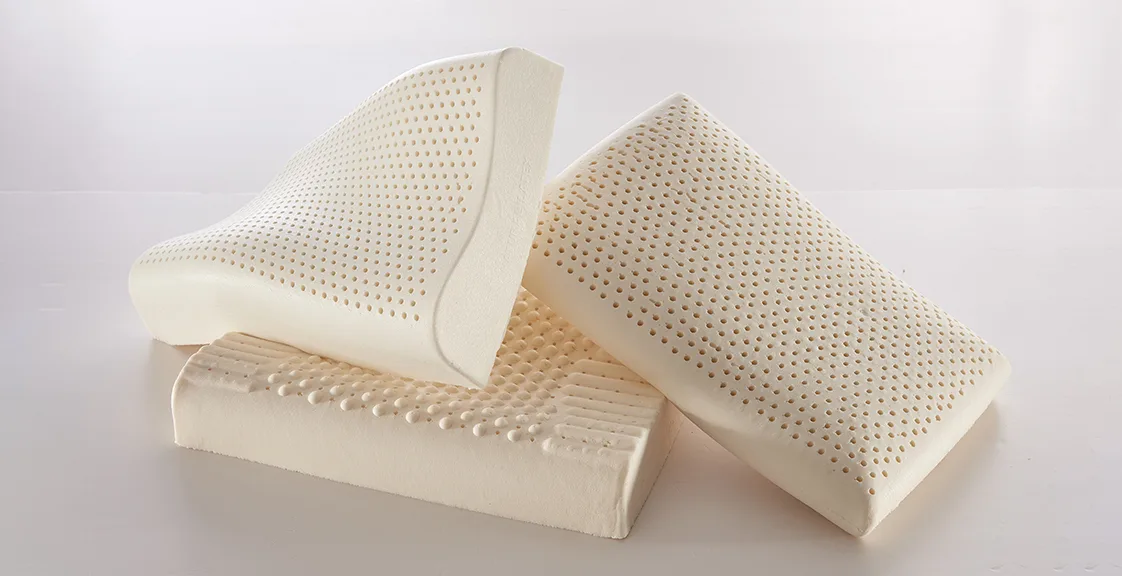
A latex pillow is made from natural or synthetic rubber sap. Natural latex comes from the Hevea tree and is known for its elasticity and breathability.
Latex pillows have a bouncy, spring-like feel that instantly rebounds when you move your head.
They come in two main types:
● Dunlop Latex: Denser, firmer, and more supportive.
● Talalay Latex: Softer, lighter, and more breathable.
1.2 What Is a Memory Foam Pillow?
A memory foam pillow is crafted from viscoelastic polyurethane foam, a material originally invented by NASA.
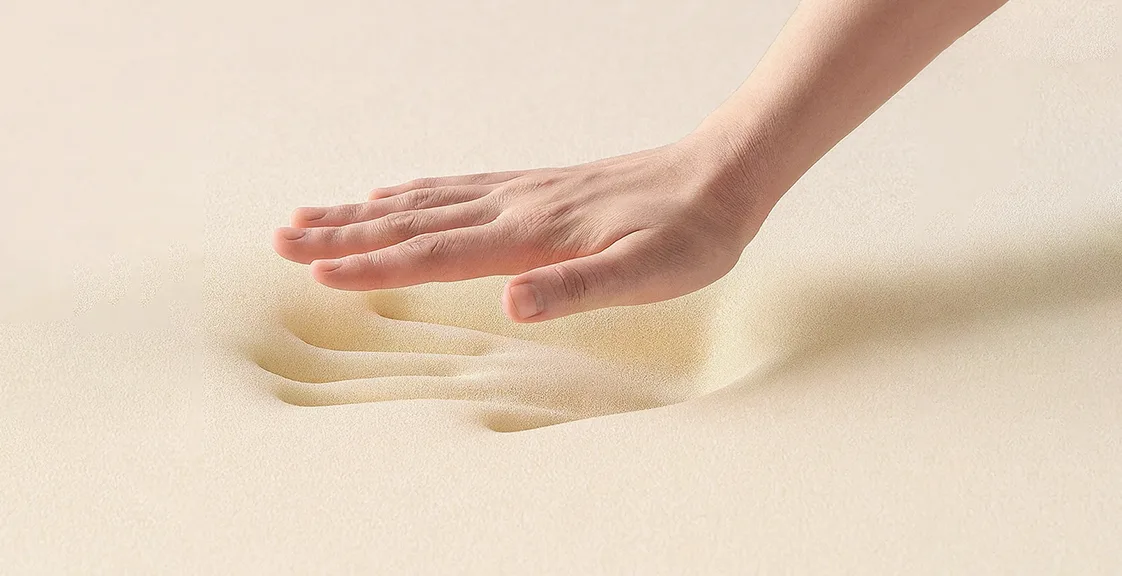
It reacts to body heat and pressure, molding perfectly to the contours of your head and neck.
The result is a “hugging” sensation that supports your cervical spine and helps relieve pressure points — ideal for people with neck or shoulder pain.
2. Comfort and Feel: Responsive vs Contouring
2.1 Latex Pillow Feel
Latex offers instant support with a slightly firm, buoyant surface. It doesn’t let you sink in too deeply, so it’s perfect for those who change positions often.
Because it rebounds quickly, it keeps your neck in a neutral position all night.
2.2 Memory Foam Pillow Feel
Memory foam feels denser and slower to respond. When you rest your head, it gradually softens and conforms around you, creating a cocoon-like comfort.
This makes it great for side sleepers and back sleepers who crave customized pressure relief.
3.Temperature Regulation and Breathability
One of the biggest differences between the two is how they handle heat.
3.1 Latex Pillow Cooling
Natural latex is inherently cooler and more breathable. Its open-cell structure allows air to move freely, and many latex pillows feature ventilation holes for even better airflow.
3.2 Memory Foam Pillow Cooling
Traditional memory foam tends to retain heat, making it warm for some sleepers.
However, modern designs now include gel-infused memory foam, bamboo covers, or ventilated layers to enhance breathability.
4. Support and Pressure Relief
4.1 How Latex Supports You
Latex pillows provide consistent, springy support that helps keep your head and spine aligned. They don’t compress too much, so they’re perfect for maintaining proper posture.
4.2 How Memory Foam Supports You
Memory foam adapts precisely to your shape, reducing tension around your neck, shoulders, and jawline. It’s especially beneficial for sleepers with chronic neck or back issues.
5. Durability and Lifespan
Durability is another factor where latex often takes the lead.
Latex pillows can last 5–10 years, maintaining their structure and firmness.
Memory foam pillows generally last 3–5 years, after which they may soften or sag.
6. Allergies and Cleanliness
Both pillow types are good options for allergy sufferers — but there are differences.
● Latex: Naturally antimicrobial, resistant to dust mites, mold, and bacteria. However, people with latex allergies should avoid direct contact.
● Memory Foam: Also resists dust mites, but can trap moisture if used in humid environments. Opt for a removable washable cover to maintain freshness.
7. Eco-Friendliness and Materials
If you care about sustainability, latex is the greener choice.
Natural latex is biodegradable, renewable, and harvested responsibly from rubber trees.
Memory foam is synthetic, made from petrochemicals. Many brands now use CertiPUR-US® certified foam (non-toxic and low-emission), but it’s still not biodegradable.
8.Price Comparison
Price often reflects material quality and longevity:
| Pillow Type | Average Price Range | Longevity |
| Latex | $60 – $150 | 5–10 years |
| Memory Foam | $30 – $100 | 3–5 years |
Memory foam is more budget-friendly, while latex is an investment pillow built to last longer.
9. Pros and Cons Summary
9.1 Latex Pillow Pros
Naturally breathable and cooling
Long lifespan
Eco-friendly and hypoallergenic
Firm, responsive support
Cons:
More expensive
Slight rubbery odor initially
Not suitable for latex allergy sufferers
9.2 Memory Foam Pillow Pros
Exceptional pressure relief
Conforms to your exact shape
Affordable and widely available
Great for neck and shoulder pain
Cons:
Can trap heat (unless gel-infused)
Slight chemical odor when new
Shorter lifespan
10. How to Choose Between Latex and Memory Foam
Choosing between the two depends on your sleep habits and preferences:
| Sleep Style | Recommended Pillow |
| Hot sleepers | Latex |
| Neck/shoulder pain sufferers | Memory foam |
| Eco-conscious users | Latex |
| Budget shoppers | Memory foam |
| Toss-and-turn sleepers | Latex |
| Side/back sleepers needing contouring | Memory foam |
If possible, try both — some brands even offer hybrid models that combine latex and memory foam for balanced comfort.
11. Care and Maintenance Tips
Always use a breathable pillow protector to prevent moisture buildup.
Spot clean the foam core only — never submerge in water.
Air out monthly to keep it fresh and odor-free.
Replace after 3–5 years (memory foam) or 5–10 years (latex).
Proper care ensures both materials deliver long-lasting comfort and hygiene.
12.FAQ
Q:Why Choose MIJUE?
A:
1.Materials Advantage: We offer a wide selection of high-quality materials — including memory foam, latex, and cooling gel — to meet diverse market needs. With large-scale and stable production capacity, we ensure consistent quality and reliable supply for every pillow order.
2.Lowest MOQ: Our minimum order quantity (MOQ) starts from just 100 pillows, giving our partners the flexibility to test markets, customize designs, and expand with confidence.
3.Trusted B2B Pillow Manufacturer : MIJUE provides a full range of tailored solutions — from shape and material to softness, firmness, and cover design.
With nine years of professional experience in pillow manufacturing, we bring deep craftsmanship and comfort expertise into every mattress we create.
Explore our exclusive collection designed for global partners, and let your imagination take flight.
At MIJUE, we offer expert guidance and collaborative support to bring your unique concepts to life — ensuring every product stands out in your market.
Q:Where can I buy good latex pillows and memory foam pillows?
A:Welcome to MIJUE ! As a professional pillow manufacturer with 9 years of industry experience, we are committed to providing you with the best quality products at the most competitive prices.Contact us today to get a quick quote!
Q: Which is better for neck pain — latex or memory foam?
A: If you need deep contouring and relief from neck or shoulder pain, memory foam is usually the better option. Its adaptive foam conforms precisely to your cervical curve, minimizing strain.
However, latex offers firmer, balanced support, which can also be effective for maintaining posture.
Q: Are latex pillows really cooler than memory foam?
A: Yes. Natural latex pillows have an open-cell structure that allows better airflow, keeping you cool throughout the night.
Memory foam tends to trap heat, but gel-infused or ventilated models now help minimize this issue.
Q: Can people with allergies use latex pillows?
A: Most natural latex pillows are hypoallergenic and resist dust mites and mold.
However, if you have a severe latex allergy, it’s safer to choose memory foam or use a protective cover that prevents skin contact.
Q: Which pillow lasts longer?
A: Latex pillows generally outlast memory foam, with a lifespan of up to 10 years.
Memory foam pillows typically last 3 to 5 years before losing firmness or shape.
Q: Do latex and memory foam pillows smell?
A: Both can have mild odors when new.
Latex may have a natural rubber scent, while memory foam might release a temporary chemical smell from manufacturing.
These odors usually disappear within a few days when aired out properly.